

How Forensic Psychologists Make A Difference
Forensic psychologists apply psychological science to legal matters, bridging mental health expertise with court proceedings. These specialists at FC Psych Experts evaluate defendants’ mental competency, assess psychological damages in civil cases, conduct child custody evaluations, and provide expert testimony that helps judges and juries understand complex behavioral factors affecting legal outcomes.
Unlike crime scene forensics that focuses on physical evidence, forensic psychology examines human behavior, mental states, and cognitive functioning within legal contexts across criminal justice, civil litigation, and family law. Since the field’s foundation in the late 1800s by pioneers like Hugo Münsterberg, forensic psychologists have become integral to modern justice systems through evidence-based assessments using standardized psychological tests, structured interviews, and behavioral analysis.
Key Takeaways:
- Criminal Justice Role: Forensic psychologists evaluate mental competency to stand trial, assess defendants’ psychological states during alleged offenses, and conduct threat assessments to help law enforcement narrow investigative focus and improve case resolution rates.
- Civil Litigation Support: They measure psychological damages from workplace incidents, criminal victimization, negligence claims, and traumatic accidents using standardized testing and clinical interviews to influence fair compensation decisions for injured parties.
- Family Law Expertise: These specialists conduct parental capacity assessments and evaluate allegations of abuse or neglect to guide courts in making custody decisions that prioritize child safety, emotional well-being, and developmental needs.
- Evidence-Based Methods: Forensic psychologists use standardized psychological tests, structured interview protocols, and behavioral pattern analysis to provide objective, scientifically-grounded assessments that courts rely on for critical legal decisions.
- Sentencing and Policy Impact: Their risk assessments inform sentencing decisions, parole determinations, and evidence-based criminal justice policy reforms that balance public safety with rehabilitation goals and reduce repeat offenses.

What Forensic Psychology Means
Many people associate forensics solely with crime scenes and physical evidence. However, the term forensic simply means related to legal matters and court proceedings. Police forensics focuses on physical evidence like fingerprints and DNA samples. Forensic expertise extends to many professional fields beyond criminal investigation. For example, forensic accountants analyze financial records to uncover fraud in legal cases. This broad application demonstrates how various professions contribute specialized knowledge to legal proceedings through professional forensic evaluations. Understanding this wider context helps clarify the diverse roles forensic psychologists play. Forensic psychologists apply psychological science and research methods to legal systems, guided by standards set by the American Psychological Association. They study how human behavior intersects with legal processes and court requirements. These professionals bridge the gap between mental health expertise and legal proceedings. Their work helps courts understand complex psychological factors in various cases. This specialized field combines clinical knowledge with legal understanding to serve justice.
How This Field Developed Over Time
The foundation of forensic psychology began in the late 1800s and early 1900s. Early researchers like Hugo Münsterberg championed using psychological science in legal settings. The field has grown significantly since its inception decades ago. Modern forensic psychologists now address criminal, civil, and family law matters through organizations like the National Alliance on Mental Illness. Courts increasingly recognize psychology as valuable scientific evidence in legal proceedings, with guidance from the U.S. Department of Justice on proper implementation. This evolution reflects a growing understanding of how mental health affects legal outcomes. Today’s practitioners build on over a century of research and practice.
Core Responsibilities of Forensic Psychologists
Forensic psychologists perform essential functions that support fair legal proceedings. Their expertise helps courts make informed decisions about complex psychological matters.
Primary Professional Duties
These professionals handle multiple specialized responsibilities within the legal system:
- Conducting comprehensive clinical psychological evaluations for court cases and legal matters
- Assessing defendants’ mental competency and psychological state during legal proceedings
- Providing expert testimony in courtrooms to explain psychological findings
- Assisting investigators with behavioral analysis and criminal case profiling
- Conducting research that advances understanding of psychology in legal contexts
Each responsibility requires specialized training and ethical practice standards established by state psychology boards. Their contributions ensure psychological factors receive proper consideration in legal decisions.
Assessment and Evaluation Work
Forensic psychologists use validated testing methods to evaluate individuals involved in legal cases. They prepare detailed reports that explain psychological findings to legal professionals. These assessments help determine if someone understands court proceedings and can participate effectively. Key aspects of their evaluation work include:
- Administering standardized neuropsychological evaluations and clinical interviews
- Analyzing behavioral patterns and mental health history
- Determining competency to stand trial or participate in legal proceedings
- Identifying psychological factors that may impact case outcomes
Evaluation results can influence sentencing, treatment recommendations, and case outcomes. The work demands objectivity and adherence to professional ethical guidelines.

How Forensic Psychologists Support the Legal System
Forensic psychologists serve as essential bridges between psychology and law in various legal proceedings. These specialized professionals apply psychological expertise to help courts make informed decisions. They conduct evaluations, provide expert testimony, and offer insights that shape legal outcomes. Understanding their role helps clarify how mental health expertise contributes to justice within Florida’s court system. Forensic psychologists work across criminal, civil, and family law matters to support fair legal processes. Their assessments provide objective, evidence-based information that courts rely on for critical decisions.
Criminal Justice Evaluations
Forensic psychologists play a vital role in criminal proceedings across multiple areas. They conduct comprehensive mental health assessments to determine a defendant’s psychological state during an alleged offense. These evaluations can significantly impact legal outcomes, including insanity pleas or reduced responsibility findings. Mental competency evaluations ensure defendants can understand court procedures and actively participate in their defense.
Another essential function involves analyzing behavioral patterns to assist law enforcement investigations, supported by research from the National Institute of Justice. Forensic psychologists examine psychological motivations behind criminal activities to help identify potential suspects. While criminal profiling appears frequently in television shows, real-world applications focus primarily on specialized areas. Threat assessment and stalking risk evaluation represent the most common profiling work in practice. These professionals provide crucial insights that help narrow investigative focus and improve case resolution rates.
Personal Injury and Damage Assessments
Forensic psychologists conduct comprehensive personal or emotional injury evaluations in civil litigation to determine psychological harm suffered by plaintiffs. These assessments measure emotional and mental damage resulting from various incidents that cause psychological injury. Their expert opinions help courts understand the extent of psychological trauma and its long-term impacts. Evaluations may examine injuries from workplace incidents, criminal victimization, negligence claims, or traumatic accidents. Forensic psychologists use standardized testing and clinical interviews to document psychological damage objectively and thoroughly. Their findings directly influence compensation decisions and help ensure fair settlements for injured parties.
Child Custody and Family Matters
Forensic psychologists serve vital roles in family court proceedings involving child welfare and custody disputes. They conduct parental capacity assessments through attachment and bonding assessments to determine which arrangement best serves children’s emotional and developmental needs. These professionals evaluate serious allegations, including abuse, neglect, or domestic violence, to protect vulnerable family members. Expert recommendations guide courts in making informed decisions that prioritize child safety and well-being, aligned with Florida Supreme Court guidelines. Forensic psychologists may also facilitate ongoing family cooperation through family therapy and co-parenting counseling by addressing psychological factors affecting custody arrangements. They help families implement court decisions effectively while focusing on children’s best interests. Their work bridges psychology and law to create healthier outcomes for families navigating difficult transitions.

Professional Methods and Resources in Forensic Psychology
Forensic psychologists apply specialized clinical expertise to support legal proceedings and justice system operations. These mental health professionals utilize evidence-based techniques to evaluate individuals involved in legal matters. Their work combines psychological science with legal requirements to provide objective, reliable assessments. Understanding the methods forensic psychologists employ helps clarify their vital role in modern legal systems. These experts bridge the gap between behavioral science and judicial proceedings through systematic evaluation processes.
Clinical Testing and Psychological Evaluations
Forensic psychologists administer standardized psychological tests to evaluate individuals within legal proceedings. These professionals utilize personality inventories, cognitive ability assessments through psychoeducational testing, and violence risk evaluation instruments. The testing methods deliver measurable, objective evidence that strengthens their professional opinions and expert recommendations following APA forensic psychology guidelines. These standardized approaches ensure consistency and reliability across different cases and settings. The data collected through these assessments helps courts make informed decisions about complex psychological matters.
Structured and Flexible Interview Methods
Interview procedures form a core component of forensic psychology practice. Forensic psychologists employ structured interview protocols that follow predetermined question sequences for consistency. They also conduct flexible, conversational interviews that adapt to individual circumstances and responses. These interviewing approaches collect detailed information about psychological functioning, personal background, and relevant behavioral patterns. The combination of both methods ensures comprehensive data collection while maintaining professional standards. Skilled interviewers can extract crucial information that supports accurate psychological evaluations and legal testimony.
Behavioral Pattern Recognition and Character Assessment
Forensic psychologists examine behavioral patterns to identify underlying psychological characteristics in individuals. This analytical method proves valuable when developing criminal behavior profiles for investigative purposes. These experts conduct patterns and situational factors to determine personality traits and anticipate potential actions. Pattern analysis assists investigative teams in focusing resources and developing effective case strategies. The systematic approach combines scientific methodology with clinical expertise to support legal proceedings. This evidence-based technique enhances the accuracy of psychological conclusions in forensic contexts.
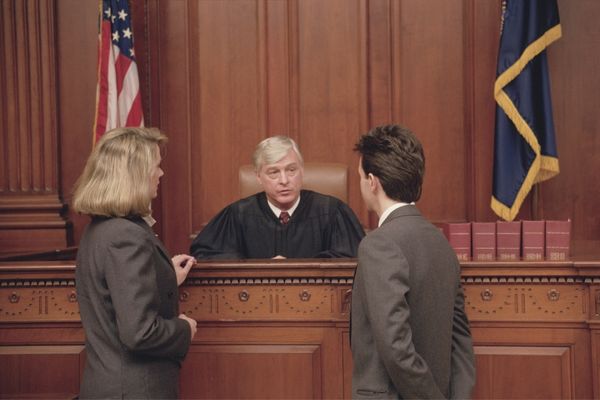
How Forensic Psychology Influences Legal Decisions
Forensic psychologists serve as vital experts at the intersection of psychology and law. These professionals apply psychological principles to help courts understand complex human behavior. Their expertise shapes legal outcomes through scientific assessment and expert testimony. Forensic psychologists evaluate mental states, assess risk factors, and provide insights into behavioral patterns. Their work influences decisions ranging from trial verdicts to sentencing recommendations. Understanding their role helps clarify how psychological science supports justice system functioning.
Supporting Jury and Judge Decisions
Forensic psychologists provide expert testimony that helps juries and judges make informed verdicts. They explain complex mental health issues in ways that legal decision-makers can understand, supported by resources from Mental Health America. These professionals analyze how psychological conditions affect behavior and decision-making abilities. Their testimony offers critical context about cognitive functioning and mental state during alleged offenses. By presenting research-backed insights, forensic psychologists help ensure fair trial outcomes. This expert input becomes especially valuable when mental health factors significantly impact case circumstances.
Informing Sentencing and Release Determinations
During sentencing and parole hearings, forensic psychologists conduct thorough risk assessments and rehabilitation evaluations. Their expert analysis helps determine appropriate consequences and supervision levels for offenders. These professionals evaluate reoffending likelihood and assess readiness for community reintegration through cognitive behavioral therapy principles. Judges rely on these psychological evaluations when making critical sentencing decisions. Forensic psychologists also identify treatment needs that should be addressed during incarceration. Their recommendations help create individualized plans that balance public safety with rehabilitation goals.
Shaping Criminal Justice Policy Development
Forensic psychologists actively contribute to evidence-based policy reforms within the criminal justice system. Through rigorous research, they identify psychological factors that influence criminal behavior patterns. Their findings inform intervention programs designed to reduce repeat offenses and improve outcomes. These professionals advocate for policies that prioritize rehabilitation alongside accountability measures. Their work helps policymakers understand the effectiveness of various correctional approaches. This research-driven input supports the creation of systems that better serve both justice and public safety.

What Lies Ahead for Forensic Psychology
The practice of forensic psychology continues to advance through innovative research and emerging methodologies. Forensic psychologists now utilize neuropsychological discoveries to better understand human behavior patterns. Brain imaging technologies provide deeper insights into the biological factors that influence criminal conduct. These scientific developments allow professionals to conduct more accurate behavioral assessments. Modern research methods enable forensic psychologists to deliver more precise evaluations in legal proceedings. The integration of neuroscience with traditional psychological practices strengthens the foundation of expert testimony.
How Technology Transforms Professional Practice
Digital innovation has revolutionized the way forensic psychologists conduct their daily work. Specialized software platforms streamline data collection and enhance the accuracy of psychological evaluations. Advanced reporting tools help professionals document findings more efficiently and comprehensively. Virtual reality technology creates controlled environments for behavioral observation and assessment purposes, particularly valuable for immigration evaluations and complex cases. Artificial intelligence systems support forensic psychologists in identifying patterns within complex psychological data. These technological tools reduce evaluation time while improving the quality of forensic psychological services. Digital platforms also facilitate secure communication between professionals and legal teams during case collaboration.
Navigating Professional Obstacles and Growth Potential
Forensic psychologists encounter unique ethical challenges that require careful consideration and professional judgment. Maintaining objectivity becomes essential when working within adversarial legal systems that demand impartial expertise. Rapid technological changes create both challenges and opportunities for advancing professional practices supported by Florida psychology professionals. The field continues to evolve as forensic psychologists adapt their methods to meet changing legal standards. Embracing evidence-based approaches helps professionals maintain high ethical standards in their work. Ongoing professional development ensures forensic psychologists can effectively serve the justice system. These evolving challenges drive innovation and strengthen the credibility of psychological expertise in legal contexts.
Understanding Workplace Risks and Safety Concerns
Forensic psychologists regularly work with individuals who present complex behavioral and psychological challenges. Client populations may include those with violent histories or unpredictable behavioral patterns. Personal safety protocols become critical when conducting evaluations with potentially dangerous individuals. Professional practitioners must remain vigilant about security measures throughout their casework activities, sometimes requiring reunification counseling support in high-conflict situations. Clients sometimes express dissatisfaction with evaluation outcomes and file formal complaints with regulatory boards. These workplace realities create demanding conditions that require resilience and strong professional boundaries. Forensic psychologists develop comprehensive risk management strategies to protect themselves while delivering quality services. The challenging nature of this work demands both psychological insight and practical safety awareness.
Conclusion
Forensic psychologists serve as essential bridges between psychological science and legal proceedings, providing evidence-based assessments that influence critical judicial outcomes. These specialists evaluate mental competency, conduct risk assessments, and offer expert testimony across criminal justice, civil litigation, and family law matters. Through standardized testing, structured interviews, and behavioral analysis, they deliver objective insights that help courts make informed decisions about complex psychological factors affecting legal cases. As technology advances and neuroscience discoveries emerge, the field continues evolving to meet changing legal standards while maintaining rigorous ethical practices. Despite workplace challenges, including safety concerns and ethical complexities, forensic psychologists remain committed to supporting fair legal processes that balance public safety with rehabilitation goals. Their expertise ensures psychological factors receive proper consideration in pursuing justice and protecting vulnerable populations. To learn more about professional forensic psychology services or connect with qualified experts, specialized practitioners continue advancing this vital field at the intersection of mental health and law.
FAQs
What’s the difference between forensic psychology and criminal profiling?
Forensic psychology encompasses comprehensive psychological evaluations, expert testimony, and risk assessments across criminal, civil, and family law cases. Criminal profiling represents just one specialized aspect, primarily focusing on threat assessment and stalking risk evaluation rather than the dramatic portrayals seen in television shows.
Do forensic psychologists work only with criminals?
No. Forensic psychologists work across multiple legal contexts, including civil litigation for personal injury claims, child custody evaluations, workplace psychological assessments, and criminal victimization cases. They evaluate anyone involved in legal proceedings requiring psychological expertise, not exclusively defendants.
How do forensic psychologists determine if someone is competent to stand trial?
They conduct comprehensive evaluations using standardized psychological tests, structured clinical interviews, and behavioral assessments. These evaluations measure whether defendants understand court proceedings, can communicate effectively with attorneys, and comprehend the charges against them to participate meaningfully in their defense.
What qualifications do forensic psychologists need?
Forensic psychologists typically hold doctoral degrees in psychology (Ph.D. or Psy.D.) with specialized training in forensic applications. They complete clinical internships, pass licensing examinations, and pursue continuing education in legal procedures, assessment methods, and ethical standards governing expert testimony and forensic evaluations.
Can forensic psychology evaluations be challenged in court?
Yes. Opposing attorneys can question evaluation methods, test reliability, professional qualifications, and assessment conclusions during cross-examination. Courts require forensic psychologists to use scientifically validated methods and maintain objectivity, making their evaluations subject to rigorous scrutiny and professional standards review.