
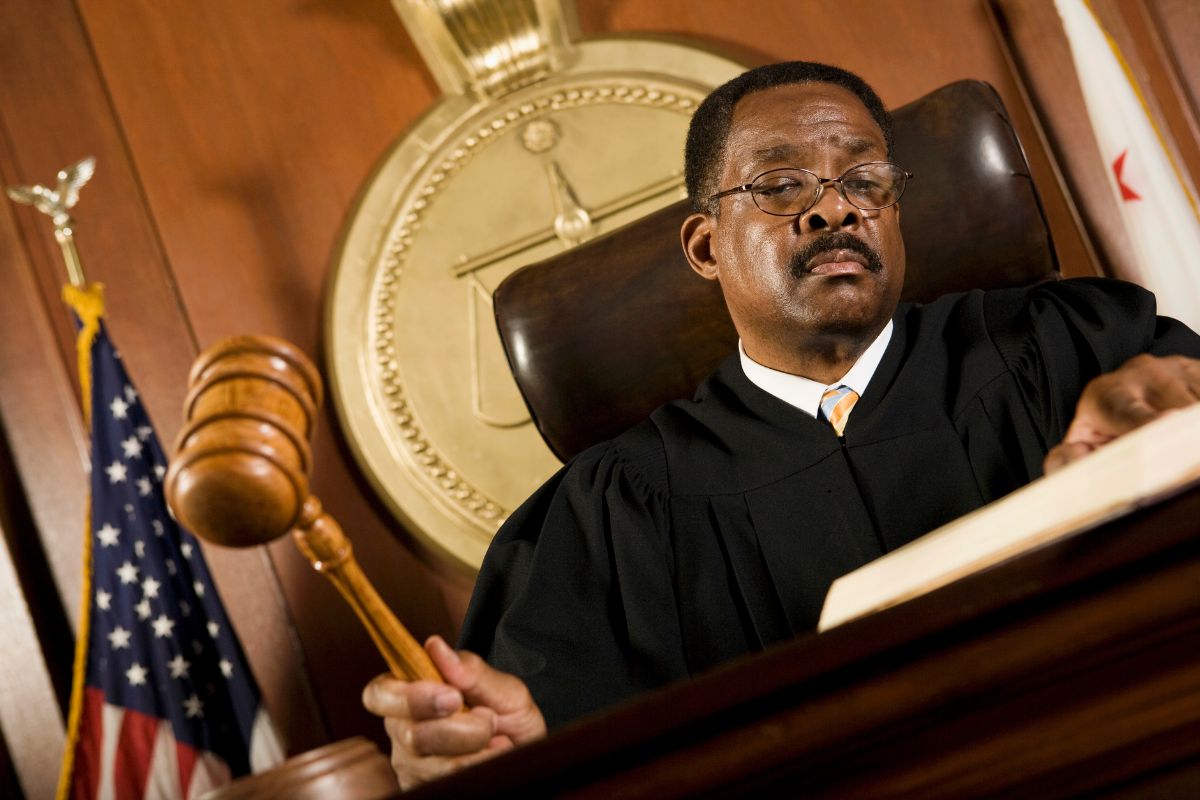
How Forensic Psychology Shapes Sentencing Outcomes
Forensic psychology directly influences criminal sentencing outcomes through five key mechanisms: risk assessment, mental health evaluation, victim impact analysis, competency determination, and mental state examination during crimes. Forensic psychologists are licensed mental health professionals who apply psychological expertise to legal proceedings, providing courts with scientific evaluations that shape sentencing decisions for approximately 15-20% of criminal cases requiring psychological assessment.
In criminal sentencing, forensic psychologists conduct standardized assessments that measure reoffending probability (using tools like the PCL-R and HCR-20), evaluate mental health conditions affecting criminal behavior, and determine appropriate treatment interventions. Their evaluations can result in alternative sentencing options, with studies showing that defendants with documented mental health conditions receive treatment-focused sentences 40% more often than traditional incarceration when forensic psychological reports are presented.
The integration of forensic psychology into sentencing decisions represents a shift from purely punitive approaches to evidence-based justice that considers psychological factors, mental health needs, and rehabilitation potential. Courts rely on these professionals to bridge the gap between behavioral science and legal requirements, ensuring sentences address both public safety and offender rehabilitation needs. The American Psychology-Law Society continues to advance standards for this crucial intersection of disciplines.
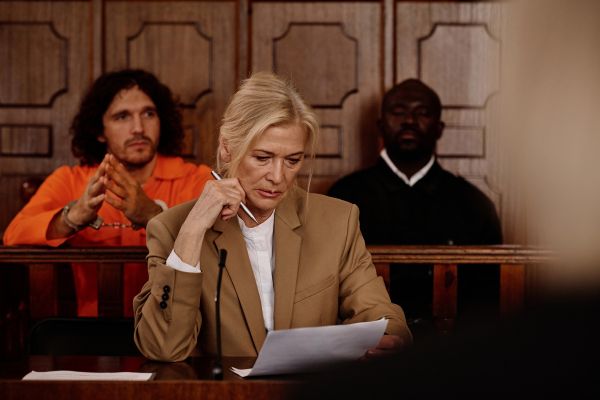
What Is Forensic Psychology
Forensic psychology applies psychological principles and methods to legal matters. This field combines mental health expertise with legal knowledge effectively. Forensic psychologists work directly with the legal system on various cases, following guidelines established by the American Board of Forensic Psychology.
These professionals assess defendants’ mental conditions and psychological states through comprehensive clinical psychological evaluations. They also evaluate the risk of future criminal behavior. Additionally, they determine if offenders are suitable for specific treatment programs.
Their specialized knowledge helps judges make better informed sentencing decisions. This expertise ensures justice is served appropriately for each case. It also considers the individual psychological needs of each offender through various assessment methods including neuropsychological evaluations.
Forensic psychology creates a bridge between mental health and law. This approach leads to more balanced and effective legal outcomes. Courts benefit from understanding the psychological factors behind criminal behavior, a principle supported by the American Academy of Forensic Psychology.
How Forensic Psychology Works in Court Sentencing
- Checking Future Crime Risk: Forensic psychologists use special tools to measure reoffending chances. These assessments look at criminal history, personality traits, and social situations. They also examine environmental factors that might influence behavior. By finding high-risk offenders, judges can give stronger sentences for public safety. The American Board of Professional Psychology certifies specialists who conduct these critical evaluations.
- Mental Health Reviews: Many defendants have mental health issues that lead to criminal acts. Forensic psychologists can evaluate these conditions and suggest proper treatment options including specialized therapy services. Sometimes mental health treatment works better than prison time. This approach addresses the root causes of criminal behavior effectively.
- Understanding Victim Harm: Forensic psychologists help crime victims deal with their emotional trauma. They provide expert testimony about the psychological effects of crimes through personal or emotional injury evaluations. They also document long-term impacts on victims’ mental health. This information helps judges understand the complete damage caused by criminal acts.
- Mental Fitness for Trial: Defendants must understand charges and help with their own defense. Forensic psychologists check if defendants are mentally ready for trial proceedings. They assess comprehension abilities and decision-making capacity. If someone is unfit, they receive hospital treatment until ready, following protocols established by the American Psychological Association.
- Mental State During Crime: Some defendants claim they were mentally unstable when committing crimes. Forensic psychologists examine the defendant’s mental condition during the offense. They determine if legal requirements for mental incapacity are met. This evaluation helps courts decide on appropriate legal responses.
How Forensic Psychology Changes Sentencing Results
Forensic psychology creates significant changes in how courts decide sentences. These professionals provide objective and research-based evaluations for better decisions. Their assessments help judges make choices that are both fair and practical, with oversight from organizations like the Florida Board of Psychology.
- Risk evaluations may create tougher sentences for dangerous offenders
- Mental health reviews might lead to sentences focused on treatment and recovery
- Scientific approach ensures sentencing decisions are based on solid evidence
- Helps lower repeat crime rates through targeted interventions Identifies which offenders need specific treatment programs most
- Matches sentences to individual offender needs for better outcomes
- Protects public safety through personalized assessment approaches
- Reduces chances of future criminal behavior significantly
This evidence-based methodology transforms traditional sentencing practices into more effective strategies. Courts now consider psychological factors alongside legal requirements when determining punishments. The integration of mental health expertise creates more comprehensive justice outcomes. Forensic psychology bridges the gap between punishment and rehabilitation successfully. This approach benefits both society and individual offenders through targeted interventions including psychoeducational testing. Modern courts rely heavily on these psychological insights for fair decisions. The field continues expanding its influence on criminal justice systems nationwide. These advancements represent a major shift toward more informed sentencing practices.
What’s Next for Forensic Psychology in Courts
The forensic psychology field keeps growing and improving over time. We can expect even stronger influence on sentencing decisions ahead. New brain science discoveries and technology provide fresh insights into human thinking, as documented by the National Alliance on Mental Illness.
- Advances help forensic psychologists create more precise and detailed evaluations
- Modern tools allow for better understanding of criminal behavior patterns
- Professionals will likely gain more importance in justice systems
- Will help create more caring and effective sentencing approaches
- Courts can build better crime prevention strategies through research
- Knowledge supports more successful rehabilitation programs for offenders
- Technology integration improves assessment accuracy and reliability
- Evidence-based practices continue expanding throughout court systems
These developments promise revolutionary changes in how justice systems operate globally. Artificial intelligence may soon assist psychologists in creating more accurate assessments. Virtual reality could help evaluate defendant mental states during crime scenarios. Genetic research might reveal predispositions to certain behavioral patterns in offenders. Brain imaging technology continues advancing our understanding of criminal decision-making processes. These innovations will make forensic psychology even more valuable to courts. The future holds exciting possibilities for improving justice through psychological science. Society will benefit from these enhanced approaches to criminal behavior understanding, as supported by Mental Health America and leading FC Psychology Experts.
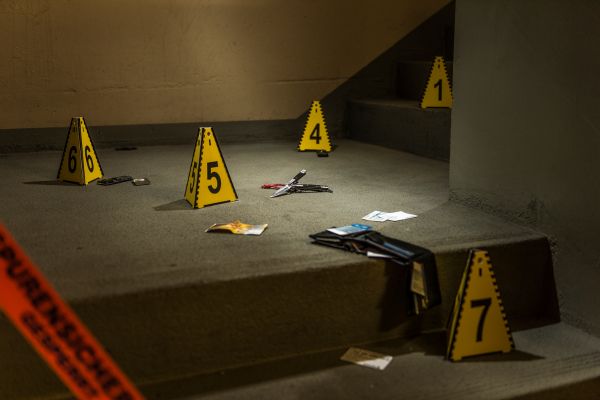
How Different Crime Types Use Forensic Psychology
Criminal cases vary greatly in their complexity and psychological factors involved. Forensic psychologists must adapt their assessment methods to match specific crime types. Each category of crime requires different evaluation techniques and considerations. The psychological patterns behind violent crimes differ significantly from financial fraud cases. Domestic violence situations present unique challenges compared to other criminal behaviors.
Understanding these distinctions helps courts apply appropriate psychological insights to sentencing decisions. Different crimes stem from various mental health issues and personality disorders. Some criminals act from impulse while others plan elaborate schemes carefully. The assessment approach must match the specific psychological factors of each crime type. This targeted evaluation ensures more effective treatment recommendations and sentencing outcomes. Courts benefit when forensic psychologists tailor their methods to specific criminal categories. This specialized approach leads to better rehabilitation success and reduced repeat offenses.
Violent Crime Assessment Strategies
Violent crimes require comprehensive psychological evaluations to understand underlying motivations and risk factors. Forensic psychologists examine anger management issues, impulse control problems, and history of aggression. They also assess trauma backgrounds that might contribute to violent behavior patterns through specialized attachment and bonding assessments.
- Evaluate past history of physical aggression and violence triggers
- Assess impulse control disorders and anger management capabilities
- Examine childhood trauma and abuse that influence violent tendencies
- Analyze substance abuse patterns that escalate aggressive behaviors
- Determine risk factors for future violent episodes
- Review mental health conditions linked to aggressive actions
- Study social environments that promote or reduce violence
- Assess victim selection patterns and targeting behaviors
These assessments help courts understand whether violent offenders need intensive therapy or secure containment. Some violent criminals benefit from anger management programs and trauma therapy including cognitive behavioral therapy. Others require long-term psychiatric treatment in secure facilities for public safety. The psychological evaluation guides judges toward appropriate sentencing that balances rehabilitation with community protection. Violence assessment also considers cultural factors that might influence aggressive behavior. Family dynamics and social pressures often contribute to violent criminal patterns significantly, as noted by the U.S. Department of Justice.
White Collar Crime Psychological Profiles
White collar criminals present unique psychological characteristics that differ from violent offenders significantly. These individuals often display narcissistic traits, entitlement attitudes, and rationalization patterns for their crimes. Forensic psychologists examine personality disorders that enable financial crimes and fraud.
- Identify narcissistic personality traits and superiority complexes
- Assess rationalization patterns used to justify criminal financial behavior
- Examine gambling addictions that drive embezzlement and theft
- Evaluate pressure from lifestyle expectations and social status needs
- Analyze cognitive distortions about victim impact and harm caused
- Review ethical decision-making processes and moral reasoning abilities
- Study organizational culture influences on criminal behavior choices
- Assess cooperation levels and willingness to make financial restitution
White collar crime evaluations focus heavily on personality assessments and cognitive patterns. These criminals rarely pose physical threats but cause significant financial harm. Courts benefit from understanding the psychological motivations behind complex financial schemes. Treatment approaches often involve cognitive behavioral therapy and ethics training programs. Restitution and community service may be more effective than traditional incarceration. The psychological profile helps determine appropriate supervision levels and monitoring requirements. These offenders typically respond well to rehabilitation programs focused on accountability, following APA practice guidelines.
Domestic Violence Cases and Mental Health Factors
Domestic violence cases involve complex psychological dynamics between offenders and victims. Forensic psychologists examine power and control patterns, jealousy issues, and attachment disorders. They also assess the cyclical nature of abusive relationships and intervention possibilities through specialized family therapy approaches.
- Evaluate power and control dynamics in intimate relationships
- Assess jealousy patterns and possessive behaviors toward partners
- Examine substance abuse that escalates domestic violence incidents
- Analyze childhood exposure to family violence and learned behaviors
- Review mental health conditions that contribute to abusive patterns
- Study victim intimidation tactics and psychological manipulation methods
- Assess genuine remorse versus manipulative apology patterns
- Evaluate safety risks for victims and family members
Domestic violence psychology focuses on relationship dynamics and safety planning for victims. These cases require careful assessment of genuine behavior change versus manipulation. Batterer intervention programs show mixed success rates depending on offender psychology. Some domestic violence stems from untreated mental health conditions requiring medication and ongoing co-parenting counseling. Others involve deeply ingrained control patterns that resist traditional therapy approaches. The psychological evaluation helps courts determine appropriate protective measures and supervision levels. Victim safety remains the primary concern in all domestic violence sentencing decisions. Reunification counseling may be recommended in appropriate cases where children are involved.
Conclusion
Forensic psychology transforms modern criminal justice by providing scientific insights into human behavior and mental processes. Courts now make more informed sentencing decisions that balance punishment with rehabilitation effectively. This field helps identify the root causes of criminal behavior rather than just addressing symptoms. The integration of psychological expertise creates fairer outcomes for both offenders and victims. For specialized cases requiring cultural sensitivity, immigration evaluations provide crucial context for legal proceedings.
The future of criminal justice depends heavily on continued advances in forensic psychology research and practice. As technology improves assessment tools and techniques, courts will benefit from even more accurate evaluations. This scientific approach reduces repeat offenses while protecting public safety through targeted interventions. Society gains when justice systems understand the complex psychological factors behind criminal behavior and respond appropriately. To learn more about forensic psychology services and their impact on legal outcomes, contact us for additional information.
FAQs
How long does a forensic psychology evaluation take for court cases?
Most forensic psychology evaluations require 4 to 8 hours of direct assessment time. The complete process including report writing typically takes 2 to 4 weeks depending on case complexity.
Can forensic psychology evaluations be wrong or inaccurate in their findings?
Like all scientific assessments, forensic evaluations have limitations and potential for human error. However, standardized testing methods and peer review processes help ensure accuracy and reliability.
Do all criminal cases require forensic psychology input before sentencing decisions?
Courts request forensic psychology evaluations only when mental health factors may influence sentencing outcomes. Most routine criminal cases proceed without requiring psychological assessment or expert testimony.
What qualifications do forensic psychologists need to work in court systems?
Forensic psychologists must complete doctoral degrees in psychology plus specialized training in legal procedures. They also need professional licenses and often pursue additional certifications in forensic specialties.
Can defendants refuse to participate in court-ordered forensic psychology evaluations?
Defendants can refuse participation, but this may result in negative legal consequences. Courts may draw adverse inferences when defendants decline to cooperate with evaluation processes.