“Hiring Licensed Psychologists – Contact Us Today”
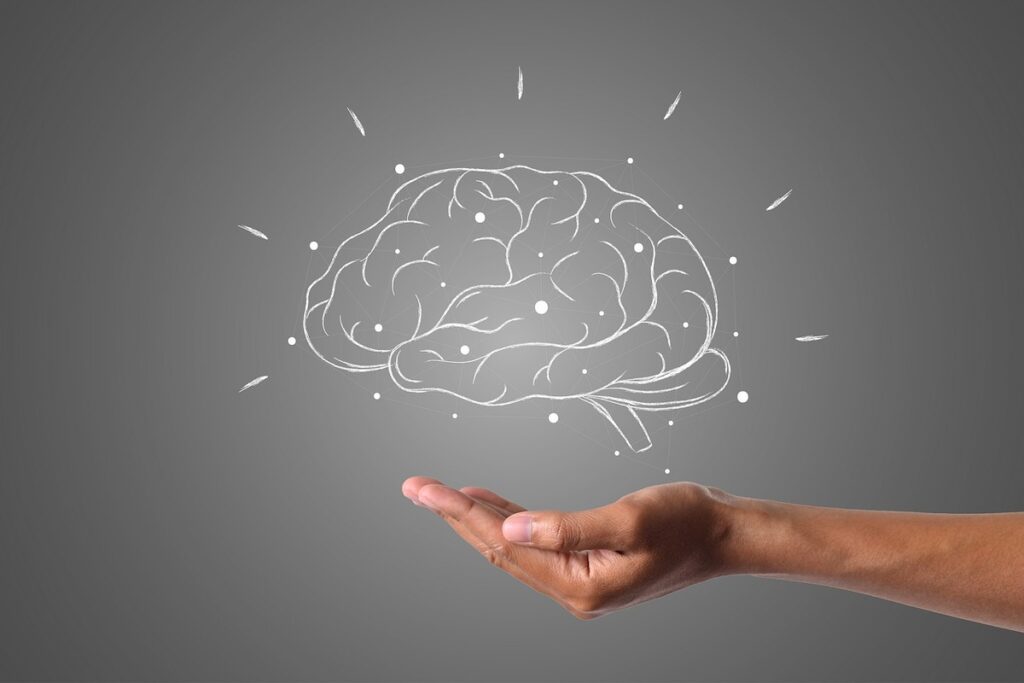
A woman suffering from memory loss

Can A Neuropsychological Evaluation Diagnose Mental Illness?

Neuropsychological evaluations can diagnose mental illness by measuring cognitive functioning through standardized tests that assess memory, attention, language, executive functions, visual-spatial skills, and motor coordination, though these evaluations inform treatment rather than providing treatment directly. Conducted by licensed clinical psychologists or neuropsychologists over approximately 4-5 hours, these comprehensive assessments help differentiate between various mental illnesses and cognitive disorders (such as distinguishing depression-related cognitive impairments from Alzheimer’s disease), create tailored intervention strategies, monitor treatment progress over time, and guide educational or vocational planning with appropriate accommodations. Neuropsychological evaluations are particularly valuable for diagnosing conditions, including ADHD, learning disabilities, dementia, depression, anxiety disorders, traumatic brain injuries, and other neuropsychological conditions affecting cognitive performance. The results enable clinicians to develop personalized treatment plans that address specific cognitive deficits, track changes in functioning through repeated evaluations, and ensure therapeutic approaches target the identified areas of weakness while leveraging cognitive strengths, making these assessments essential tools in both clinical mental health settings and legal contexts requiring competency determinations or disability evaluations.

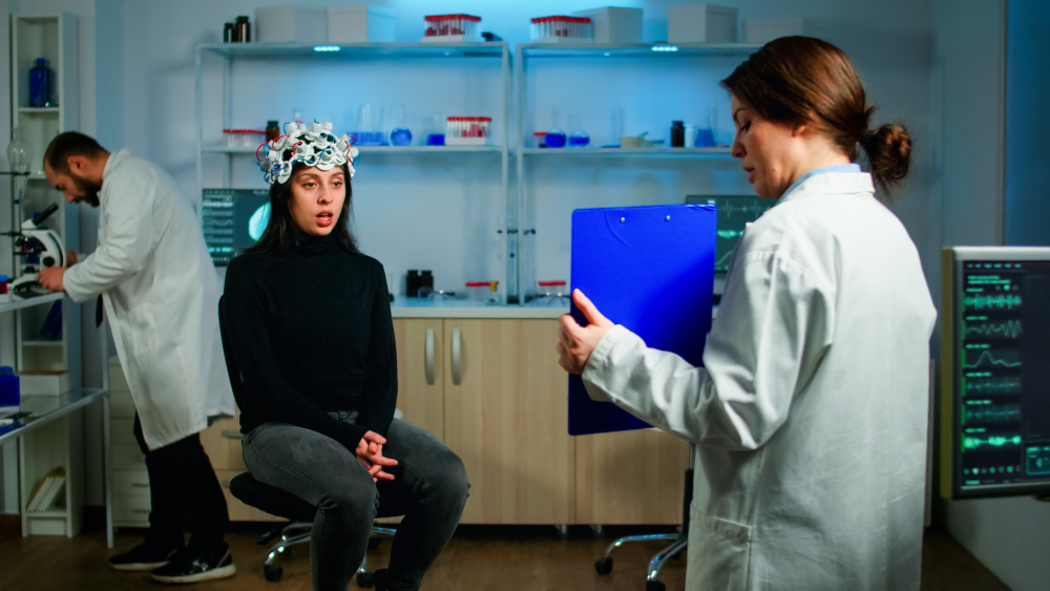
A man undergo Neuropsychological Evaluation

What is a Neuropsychological Evaluation?

A neuropsychological evaluation is a comprehensive assessment designed to evaluate various aspects of cognitive and psychological functioning. This evaluation typically includes a series of standardized tests and tasks that assess areas such as:

  • Memory: Assessing both short-term memory and long-term memory capabilities.
  • Attention: Evaluating the ability to focus, sustain, and shift attention.
  • Language: Understanding and producing language, including reading and writing.
  • Executive Functions: Planning, organizing, problem-solving, and decision-making abilities.
  • Visual-Spatial Skills: Perceiving and organizing visual information.
  • Motor Skills: Coordination and fine motor skills.

These tests are administered and interpreted by a trained neuropsychologist who can identify strengths and weaknesses in cognitive functioning. The American Psychological Association establishes professional standards for conducting these comprehensive assessments. The results of these tests provide a detailed profile of an individual’s cognitive abilities, which is critical for diagnosing various conditions, including mental illnesses. For individuals who may also benefit from educational assessments, psychoeducational testing can complement neuropsychological evaluations to provide a more complete picture of learning capabilities.

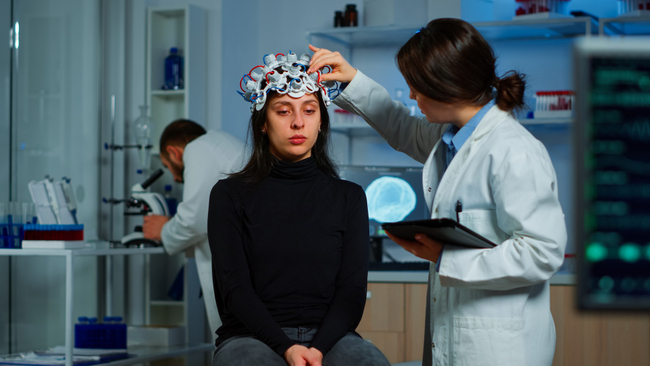
A neuropsychologist doing patient evaluation

How Neuropsychological Evaluations Inform Treatment

While neuropsychological evaluations do not treat mental illness directly, they are instrumental in shaping effective treatment plans. The information gathered from these evaluations helps clinicians understand the underlying cognitive deficits and strengths of a patient. This understanding is crucial for several reasons:

Accurate Diagnosis

Neuropsychological evaluations can help differentiate between different types of mental illnesses and cognitive disorders. For example, distinguishing between depression-related cognitive impairments and those caused by a neurological condition like Alzheimer’s disease. The National Academy of Neuropsychology provides extensive research and guidelines on best practices for conducting these diagnostic assessments. In legal contexts, comprehensive forensic evaluations may also incorporate neuropsychological testing to assess competency and cognitive functioning.

Tailored Interventions

The detailed cognitive profile obtained from an evaluation allows for the development of personalized treatment plans. Therapies and interventions can be specifically tailored to address the unique cognitive deficits identified during the evaluation. Therapy services can be customized based on evaluation findings, with approaches like cognitive behavioral therapy proving particularly effective for addressing thought patterns that impact both cognitive and emotional functioning.

Monitoring Progress

Repeated neuropsychological evaluations can track changes in cognitive functioning over time. This is particularly useful for monitoring the effectiveness of treatments and making necessary adjustments. Research published by the National Institute of Mental Health demonstrates the importance of longitudinal assessment in understanding treatment outcomes and cognitive trajectories.

Educational and Vocational Planning

For children and adults, the results of neuropsychological evaluations can inform educational and vocational planning. This ensures that individuals receive the appropriate support and accommodations to succeed in school or work environments. Clinical psychological evaluations often work in tandem with neuropsychological assessments to provide comprehensive recommendations for academic and workplace accommodations.

A mental therapy approach diagram

The Broader Impact on Mental Health Treatment

The insights gained from neuropsychological evaluations extend beyond the individual. They contribute to the broader field of mental health by enhancing our understanding of how different mental illnesses affect cognitive functioning. This, in turn, informs the development of new therapeutic approaches and interventions.

For instance, understanding the specific cognitive deficits associated with schizophrenia can lead to the creation of cognitive rehabilitation programs tailored to improve those areas. Similarly, insights into how depression affects memory and attention can inform the development of more effective cognitive-behavioral therapies. Organizations like the National Alliance on Mental Illness provide resources and support for individuals and families navigating mental health conditions that may benefit from neuropsychological assessment.

The American Psychology-Law Society has established important connections between neuropsychological assessment and legal proceedings, particularly in cases involving personal or emotional injury evaluations where cognitive functioning may have been impacted by trauma or injury.

What is Brain Training, Purpose and Benefits?

Brain training, also known as cognitive training, involves engaging in regular mental activities designed to improve or maintain cognitive abilities. This non-pharmacological approach includes a variety of games and activities that target specific mental skills, helping to enhance overall cognitive functioning and mental health.

Key Mental Abilities Targeted by Brain Training:

  • Attention: The ability to focus and sustain concentration on tasks.
  • Cognitive Flexibility: The capacity to switch between thinking about different concepts and to think about multiple concepts simultaneously.
  • Problem-Solving: The process of finding solutions to difficult or complex issues.
  • Reasoning: The ability to form conclusions, judgments, or inferences from facts or premises.
  • Working Memory: The part of short-term memory that is concerned with immediate conscious perceptual and linguistic processing.

Brain training is akin to physical exercise but for the brain. Just as regular physical activity enhances and maintains physical health, cognitive training keeps the brain fit and sharp.

Additional Benefits of Brain Training

Beyond improving the above mental abilities, brain training also helps in maintaining or even boosting a person’s mental fitness. It can delay cognitive decline, enhance daily functioning, and improve overall quality of life. Engaging in cognitive training activities regularly can lead to better mental agility, quicker thinking, and improved problem-solving skills. The National Institute of Justice has funded research examining how cognitive training can benefit individuals in rehabilitation settings, demonstrating applications beyond traditional clinical contexts.

A neuropsychologist taking notes from his evaluation

Why Consider a Neuropsychological Evaluation?

Neuropsychological Evaluation (NPE) is a thorough assessment that typically takes 4-5 hours and is conducted by a highly qualified neuropsychologist. If you’re seeking the best neuropsychologist for an accurate evaluation and treatment, book an appointment with us today!

Purpose of an NPE

The NPE assesses various neurocognitive skills by requiring patients to engage different parts of their brain through problem-solving tasks and activities. The evaluation measures:

  • Attention and Concentration: Ability to focus on tasks without getting distracted.
  • Visual-Spatial Abilities: Skills related to understanding visual information and spatial relationships.
  • Multi-Tasking Skills: Capability to handle more than one task simultaneously.
  • Impulse Control: Managing sudden urges and maintaining self-discipline.
  • Emotional Control: Regulating emotional responses in various situations.
  • Memory: Both short-term and long-term recall abilities.
  • Language Skills: Proficiency in understanding and using language.
  • Processing Speed: How quickly one can understand and react to information.
  • Gross and Fine Motor Skills: Coordination of large and small muscle groups.
  • Abstract Reasoning Abilities: Understanding complex concepts and making logical connections.

The Benefits of Neuropsychological Evaluation

An NPE provides a comprehensive understanding of your cognitive strengths and weaknesses. It helps in diagnosing various neurological conditions and aids in developing personalized treatment plans. This evaluation is crucial for individuals experiencing cognitive decline, brain injuries, or other neuropsychological issues.

Neuropsychological evaluations are particularly valuable in family law matters, where attachment and bonding assessments may need to consider a parent’s cognitive capabilities. Additionally, in immigration cases, immigration evaluations sometimes incorporate neuropsychological components when assessing individuals who have experienced trauma or persecution that may have affected cognitive functioning.

When to Seek Specialized Psychological Services

Understanding when to pursue neuropsychological evaluation versus other types of psychological assessment is important. While neuropsychological evaluations focus on cognitive functioning, other situations may call for different approaches:

  • Family Conflict: When families are navigating separation or divorce, family therapy and co-parenting counseling can help improve communication and reduce conflict.
  • Parent-Child Relationships: Following separation, reunification counseling helps rebuild damaged parent-child relationships through therapeutic interventions.
  • Legal Proceedings: The Florida Courts system often requires psychological evaluations for various legal matters, and understanding court requirements is essential for compliance.

Professional organizations like the Florida Psychological Association provide guidance on appropriate assessment selection and professional standards. Additionally, the American Board of Forensic Psychology certifies psychologists who specialize in evaluations for legal contexts, ensuring the highest standards of practice.

For comprehensive information about all available psychological services and how they can address your specific needs, visit our services page to explore the full range of evaluations and therapeutic interventions we offer.

Conclusion

Neuropsychological evaluations, while not a direct treatment for mental illness, are invaluable tools in the diagnosis and treatment planning process. These comprehensive assessments provide detailed insights into an individual’s cognitive and psychological functioning, identifying strengths and weaknesses that guide effective, personalized interventions. By distinguishing between various mental and cognitive disorders, neuropsychological evaluations ensure accurate diagnoses and tailored treatment plans, enhancing the effectiveness of therapeutic strategies.

Furthermore, they play a critical role in monitoring treatment progress and adjusting interventions as needed. The broader impact of these evaluations extends to the mental health field at large, contributing to the development of more effective therapies and a deeper understanding of how mental illnesses affect cognitive functioning. Standards set by the APA’s ethical guidelines ensure that neuropsychological assessments are conducted with the highest levels of professional integrity and respect for patient rights.

Ultimately, neuropsychological evaluations not only aid in individual treatment but also advance the overall knowledge and approach to mental health care, fostering better outcomes for all. If you have questions or would like to learn more about how neuropsychological evaluation can benefit you or a loved one, please contact us to speak with one of our experienced professionals.

FAQs

1. Can a neuropsychological evaluation diagnose mental illness?

Yes, a neuropsychological evaluation can help diagnose mental illnesses by identifying cognitive and psychological impairments. However, it is not a treatment but a tool to inform effective treatment plans.

2. What conditions can a neuropsychological evaluation help diagnose?

Neuropsychological evaluations can help diagnose a range of conditions, including ADHD, learning disabilities, dementia, depression, anxiety disorders, and brain injuries.

3. How long does a neuropsychological evaluation take?

Typically, a neuropsychological evaluation takes 4-5 hours to complete, depending on the complexity of the case and the specific tests administered.

4. What happens after a neuropsychological evaluation?

After the evaluation, the neuropsychologist reviews the results, identifies cognitive strengths and weaknesses, and provides recommendations for treatment or further interventions based on the findings.

5. Is brain training the same as a neuropsychological evaluation?

No, brain training involves regular mental exercises to improve cognitive abilities, while a neuropsychological evaluation is a comprehensive assessment to diagnose cognitive and psychological conditions. Both can complement each other in a treatment plan.

Forensic team working on a criminal case

Understanding Forensic Psychology: A Comprehensive Overview

Forensic psychology is the application of psychological principles to legal and criminal justice matters, where licensed professionals assess mental competency, provide expert court testimony, conduct criminal evaluations, and deliver therapeutic interventions within correctional settings. These specialists bridge mental health and law by performing critical functions including competency evaluations for trial proceedings, risk assessments for violent behavior, psychological profiling of criminal suspects, and evidence-based treatment programs aimed at reducing recidivism rates. Forensic psychologists typically hold doctoral degrees in psychology with specialized training in legal contexts, and their services—which vary based on evaluation complexity and geographic location—are utilized by defense attorneys, prosecutors, family courts, immigration proceedings, and correctional facilities. Whether you’re seeking professional forensic psychological services, exploring career pathways in this field, or need to understand how psychological expertise influences legal outcomes, this comprehensive guide covers everything from courtroom testimony protocols and ethical guidelines to specialized assessments like neuropsychological testing, immigration hardship evaluations, and parent-child attachment analyses used in custody determinations.

Exhausted Inspectors analyzing evidence

The Scope of Forensic Psychology

Forensic psychology encompasses a diverse range of responsibilities and areas of expertise. Professionals in this field are often involved in the assessment and evaluation of individuals within the legal system. This can include determining a defendant’s competency to stand trial, assessing the mental state of a suspect at the time of an offense, and evaluating the risk of reoffending. Additionally, forensic psychologists are instrumental in developing offender profiles, which help law enforcement agencies understand and predict criminal behavior through forensic evaluations.

Crime Scene Analysis and Behavioral Profiling

One of the more fascinating aspects of forensic psychology is its role in crime scene analysis and behavioral profiling. Forensic psychologists work closely with law enforcement to analyze the psychological aspects of crime scenes. This involves examining evidence to understand the mindset and behavioral patterns of the perpetrator. Through behavioral profiling, these professionals can provide valuable insights that help narrow down suspects and anticipate future actions of criminals. The American Psychology-Law Society provides extensive resources on the latest research in this specialized area.

Courtroom Testimony and Legal Consultation

Forensic psychologists frequently serve as expert witnesses in courtrooms, where their assessments and testimony can be pivotal. They provide expert opinions on a variety of psychological issues, such as the mental state of a defendant, the reliability of eyewitness testimony, and the psychological impact of crimes on victims. Their expertise helps judges and juries make informed decisions based on psychological evidence. Board-certified professionals through the American Board of Forensic Psychology maintain the highest standards of practice when providing clinical psychological evaluations for legal proceedings.

Treatment and Rehabilitation of Offenders

Another critical aspect of forensic psychology is the treatment and rehabilitation of offenders. Forensic psychologists work within correctional facilities to provide therapeutic interventions aimed at reducing recidivism and helping offenders reintegrate into society. This involves conducting individual and group therapy sessions, developing treatment plans, and working with other professionals to address the psychological needs of inmates. Therapy services such as cognitive behavioral therapy have proven particularly effective in addressing maladaptive thought patterns that contribute to criminal behavior.

Research and Education

Forensic psychologists also engage in research to advance the understanding of criminal behavior and the efficacy of various interventions. They study patterns and trends in crime, the psychological factors that contribute to criminal behavior, and the outcomes of different treatment approaches. This research is essential for developing new strategies and improving existing practices within the legal and correctional systems. Organizations like the American Psychological Association and the National Institute of Justice publish groundbreaking studies that inform evidence-based practices in the field.

The Importance of Ethical Practice

Ethical considerations are paramount in forensic psychology. Professionals in this field must adhere to strict ethical guidelines to ensure the integrity of their work and protect the rights of those they assess and treat. This includes maintaining confidentiality, obtaining informed consent, and avoiding conflicts of interest. The APA’s ethical guidelines provide a comprehensive framework that all practitioners must follow. The ethical practice of forensic psychology ensures that the contributions of these professionals are both credible and respectful of individual rights.

A forensic psychologist working in the justice department

What Does a Forensic Psychologist Do?

A career in forensic psychology offers a wide array of opportunities and responsibilities, each contributing uniquely to the intersection of psychology and the legal system. Forensic psychologists are engaged in various tasks, including:

Researching Social Science Topics Related to Law and Crime

Forensic psychologists delve into research that explores the psychological underpinnings of criminal behavior, the effectiveness of legal interventions, and the impact of laws on social behavior. This research is crucial in developing evidence-based practices that improve the justice system.

Conducting Examinations of Criminal Defendants

These professionals often conduct psychological evaluations of individuals accused of crimes. Their assessments help determine the mental state of defendants at the time of the offense, their competency to stand trial, and other relevant psychological factors. Neuropsychological evaluations can be particularly valuable in cases involving brain injuries or cognitive impairments.

Assisting with Jury Selection

Forensic psychologists play a pivotal role in the jury selection process. They use their expertise to evaluate potential jurors’ biases and psychological profiles, ensuring a fair and impartial jury.

Consulting with Police Departments and Other Law Enforcement Agencies

These psychologists work closely with law enforcement, providing insights into criminal behavior, developing offender profiles, and advising on interrogation techniques. Their expertise is valuable in solving crimes and improving policing strategies.

Assessing the Risk of Violence in a Community

Forensic psychologists assess the potential for violence within specific populations or communities. They develop risk assessment tools and strategies to predict and prevent violent behaviors, contributing to public safety. The National Institute of Mental Health provides research on mental health factors that may contribute to violence risk.

And More

The field of forensic psychology is vast, with professionals also involved in areas such as psychoeducational testing, mediation and conflict resolution, and providing expert testimony in court. Specialized services like immigration evaluations and personal or emotional injury evaluations address unique legal needs.

A forensic psychologist providing therapy to clients

What Role Do Forensic Psychologists Play in Criminal Justice?

Forensic psychologists are integral to the criminal justice system, contributing at multiple levels and in various capacities. Their roles include:

Consulting with Legal Professionals

Forensic psychologists offer valuable insights to attorneys, judges, and other legal professionals regarding mental health issues, criminal motivation, and risk assessment. Their consultations help shape legal strategies and decisions in accordance with Florida Courts procedures and requirements.

Assessing or Treating Accused Criminals and Inmates

They provide mental health assessments and treatment to individuals accused of crimes and to prison inmates. These assessments can influence sentencing decisions, parole evaluations, and the overall management of correctional facilities. In family law cases, attachment and bonding assessments help courts make informed custody decisions.

Working in Jury Selection

In addition to assisting with jury selection, forensic psychologists also train legal teams on how to question the jury effectively. Their goal is to identify biases that could affect the trial’s outcome.

Conducting Legal Research

Forensic psychologists engage in research that informs legal practices and policies. Their studies can lead to changes in laws, improved rehabilitation programs, and better understanding of criminal behavior. The Florida Psychological Association supports ongoing professional development in this critical area.

Crisis Management

These professionals are often called upon to manage psychological crises in legal settings, such as hostage situations, threats of violence in courtrooms, or providing support during traumatic events. Support from organizations like the National Alliance on Mental Illness complements forensic services in addressing mental health crises.

Forensic psychologists bring a unique and essential perspective to the legal system. Their work not only aids in solving crimes and administering justice but also contributes to the overall well-being and safety of communities. Services such as family therapy, co-parenting counseling, and reunification counseling help families navigate complex legal and emotional challenges.

Conclusion

Forensic psychology is a multifaceted field that plays a critical role in the intersection of psychology and the legal system. By applying psychological principles to legal issues, forensic psychologists provide invaluable services in various domains such as crime scene analysis, behavioral profiling, courtroom testimony, and the treatment and rehabilitation of offenders. Their work helps law enforcement agencies understand criminal behavior, aids legal professionals in making informed decisions, and supports the rehabilitation of offenders to reduce recidivism. Furthermore, forensic psychologists engage in research supported by organizations like the National Academy of Neuropsychology to advance the field and adhere to strict ethical standards to ensure their contributions are credible and respectful of individual rights. The comprehensive scope of forensic psychology underscores its importance in enhancing the efficacy of the legal and correctional systems, ultimately contributing to the safety and well-being of society. For more information about comprehensive psychological services, visit our services page or contact us to learn how we can assist you.

FAQs

1. What qualifications are needed to become a forensic psychologist?

To become a forensic psychologist, one typically needs a doctoral degree in psychology, specialized training in forensic psychology, and relevant certifications or licensure, depending on the region.

2. How do forensic psychologists assist in crime investigations?

Forensic psychologists assist in crime investigations by analyzing crime scenes, developing offender profiles, and providing insights into criminal behavior. Their expertise helps narrow down suspects and predict future actions of criminals.

3. Can forensic psychologists testify in court?

Yes, forensic psychologists frequently serve as expert witnesses in court. They provide testimony on various psychological issues, such as a defendant’s mental state, the reliability of eyewitness testimony, and the psychological impact of crimes on victims.

4. What role do forensic psychologists play in the rehabilitation of offenders?

Forensic psychologists work within correctional facilities to provide therapeutic interventions aimed at reducing recidivism. They conduct individual and group therapy sessions, develop treatment plans, and collaborate with other professionals to address the psychological needs of inmates.

5. Why are ethical considerations important in forensic psychology?

Ethical considerations are crucial in forensic psychology to maintain the integrity of the work and protect the rights of individuals. Forensic psychologists must adhere to guidelines that ensure confidentiality, informed consent, and the avoidance of conflicts of interest, ensuring their contributions are both credible and respectful of individual rights.

Therapy Found Effective for Carpal Tunnel Syndrome

Carpal tunnel syndrome is a common nerve compression disorder affecting millions of Americans annually, characterized by pain, numbness, tingling, and weakness in the hands and wrists caused by pressure on the median nerve in the wrist’s narrow passageway. Customized physical therapy has emerged as an effective treatment approach for carpal tunnel syndrome, with research showing that targeted therapeutic interventions focusing on inflammation reduction, nerve function improvement, and muscle strengthening provide significant relief. Beyond physical therapy, comprehensive treatment requires addressing the psychological impact of chronic pain through evidence-based approaches including cognitive behavioral therapy, neuropsychological evaluations, and clinical psychological assessments. Studies indicate that patients with chronic conditions persisting beyond 6 weeks require personalized treatment strategies combining physical rehabilitation with mental health support, as chronic pain often leads to anxiety, depression, reduced quality of life, and impacts on relationships and work performance. Professional evaluation and multidisciplinary care—including physical therapy, psychological counseling, family therapy, and when necessary, forensic evaluations for legal or disability cases—optimize recovery outcomes for individuals experiencing carpal tunnel syndrome and related chronic pain conditions.

Understanding Carpal Tunnel Syndrome and Treatment Approaches

Carpal tunnel syndrome occurs when the median nerve, which runs through a narrow passageway in the wrist, becomes compressed. This compression leads to characteristic symptoms including tingling, numbness, and pain that can radiate up the arm. According to the National Institute of Mental Health, understanding the psychological impact of chronic pain conditions is essential for comprehensive treatment planning.

Similar to how customized physical therapy has shown effectiveness for managing various musculoskeletal conditions, targeted therapeutic interventions for carpal tunnel syndrome focus on reducing inflammation, improving nerve function, and strengthening the surrounding muscles. The American Psychological Association emphasizes the importance of evidence-based treatment approaches that address both physical and psychological aspects of chronic pain conditions.

The Role of Comprehensive Evaluation in Treatment Success

Just as researchers from La Trobe University observed that many patients with low-back disorders persisting beyond 6 weeks do not recover without proper intervention, carpal tunnel syndrome also requires thorough evaluation and personalized treatment strategies. At FC Psych Experts, we understand that comprehensive assessment is crucial for developing effective treatment plans.


Professional neuropsychological evaluations can help identify underlying factors contributing to chronic pain conditions and guide appropriate interventions. When dealing with persistent symptoms that affect daily functioning, clinical psychological evaluations provide valuable insights into the emotional and cognitive impacts of chronic pain.

Psychological Factors in Chronic Pain Management

The connection between physical pain and psychological wellbeing is well-documented in medical literature. Resources from the Florida Psychological Association highlight how chronic pain conditions like carpal tunnel syndrome can lead to anxiety, depression, and reduced quality of life. This is where therapy services become invaluable as part of a holistic treatment approach.

Cognitive behavioral therapy has proven particularly effective in helping patients manage chronic pain by addressing negative thought patterns and developing coping strategies. The American Psychological Association Ethics Code guides mental health professionals in providing ethical, evidence-based care for individuals dealing with chronic pain conditions.

The Intersection of Physical and Emotional Health

Chronic pain conditions often create ripple effects throughout a person’s life, affecting relationships, work performance, and family dynamics. When pain persists, individuals may benefit from family therapy to help loved ones understand the challenges and provide appropriate support. The National Alliance on Mental Illness provides extensive resources on how chronic health conditions impact mental health and family systems.

For individuals whose pain conditions have resulted from workplace injuries or accidents, personal or emotional injury evaluations can document the psychological impact and support appropriate compensation claims. Legal professionals often reference resources from Cornell Law School’s Legal Information Institute when addressing disability and injury cases.

Specialized Assessment for Comprehensive Care

The complexity of chronic pain conditions sometimes necessitates specialized testing to rule out cognitive or neurological factors. Psychoeducational testing can identify learning or attention difficulties that may be exacerbated by chronic pain and medication side effects.

For cases involving legal proceedings or disability determinations, forensic evaluations provide objective assessment of functional limitations and psychological impact. The American Board of Forensic Psychology sets standards for such evaluations, ensuring they meet legal and clinical requirements.

Building Support Systems for Long-Term Recovery

Recovery from chronic conditions like carpal tunnel syndrome requires patience, persistence, and strong support systems. Whether through co-parenting counseling for parents managing pain while raising children, or reunification counseling for families healing from separation, psychological support enhances overall recovery outcomes.

The Florida Board of Psychology regulates mental health professionals throughout the state, ensuring that patients receive quality care from licensed practitioners. For specialized needs such as immigration evaluations where chronic health conditions may impact visa or residency applications, qualified professionals can provide necessary documentation.

Accessing Professional Support

If you’re struggling with carpal tunnel syndrome or any chronic pain condition affecting your mental health and daily functioning, professional support is available. The American Psychology-Law Society provides resources on the intersection of psychological health and legal matters, which can be particularly relevant for injury-related cases.

For residents throughout South Florida, including those seeking specialized care, our services are accessible to communities statewide. Whether you need attachment and bonding assessments or comprehensive psychological support, reaching out is the first step toward recovery.

To learn more about how we can help you manage the psychological impacts of chronic pain conditions, please visit our contact page or explore our full range of services. The National Institute of Justice and Florida Courts provide additional resources for those navigating legal aspects of chronic health conditions.

Frequently Asked Questions

What is carpal tunnel syndrome and what are its symptoms?

Carpal tunnel syndrome occurs when the median nerve, which runs through a narrow passageway in the wrist, becomes compressed. This compression leads to characteristic symptoms including tingling, numbness, weakness in the hands and wrists, and pain that can radiate up the arm. The condition can significantly impact daily activities and quality of life.

How effective is therapy for treating carpal tunnel syndrome?

Recent research demonstrates that customized physical therapy approaches offer promising relief for those struggling with carpal tunnel syndrome. Targeted therapeutic interventions focus on reducing inflammation, improving nerve function, and strengthening the surrounding muscles. Evidence-based treatment approaches that address both physical and psychological aspects of chronic pain conditions have shown significant effectiveness.

What role does psychological evaluation play in treating chronic pain conditions?

Comprehensive psychological evaluation is crucial for developing effective treatment plans for chronic pain conditions. Professional neuropsychological evaluations can help identify underlying factors contributing to chronic pain and guide appropriate interventions. Clinical psychological evaluations provide valuable insights into the emotional and cognitive impacts of chronic pain, which is essential for comprehensive treatment planning.

Can cognitive behavioral therapy help with carpal tunnel syndrome pain?

Yes, cognitive behavioral therapy has proven particularly effective in helping patients manage chronic pain conditions like carpal tunnel syndrome. CBT helps by addressing negative thought patterns and developing coping strategies. Since chronic pain conditions can lead to anxiety, depression, and reduced quality of life, therapy services become invaluable as part of a holistic treatment approach.

How does chronic pain affect family relationships?

Chronic pain conditions often create ripple effects throughout a person’s life, affecting relationships, work performance, and family dynamics. When pain persists, individuals may benefit from family therapy to help loved ones understand the challenges and provide appropriate support. Co-parenting counseling can also help parents managing pain while raising children, and reunification counseling can assist families healing from separation.

What types of evaluations are available for workplace injury-related pain?

For individuals whose pain conditions have resulted from workplace injuries or accidents, personal or emotional injury evaluations can document the psychological impact and support appropriate compensation claims. Forensic evaluations provide objective assessment of functional limitations and psychological impact for cases involving legal proceedings or disability determinations.

What specialized assessments might be needed for chronic pain patients?

The complexity of chronic pain conditions sometimes necessitates specialized testing to rule out cognitive or neurological factors. Psychoeducational testing can identify learning or attention difficulties that may be exacerbated by chronic pain and medication side effects. Neuropsychological evaluations help identify underlying factors contributing to chronic pain conditions and guide appropriate interventions.

How can I access professional support for carpal tunnel syndrome in South Florida?

Professional support for carpal tunnel syndrome and chronic pain conditions is available throughout South Florida. FC Psych Experts offers comprehensive services including therapy services, neuropsychological evaluations, clinical psychological evaluations, cognitive behavioral therapy, and family therapy. You can learn more by visiting their contact page or exploring their full range of services to find the support that best fits your needs.Retry

Myth: Physical Therapy is only for Injuries and Accidents

Physical therapists provide comprehensive musculoskeletal care that extends far beyond post-injury stretching and muscle strengthening after surgery. As frontline healthcare providers, they specialize in evaluating, diagnosing, and preventing musculoskeletal problems before they escalate into serious injuries or chronic disabling conditions such as carpal tunnel syndrome, frozen shoulder (adhesive capsulitis), tension headaches, cervicogenic headaches, and chronic lower-back pain. Modern physical therapy encompasses preventive screening, early intervention strategies, biomechanical assessment, pain management, therapeutic exercise prescription, manual therapy techniques, and patient education for self-management. Understanding the full scope of physical therapy services, including their integration with psychological wellness and mental health support for chronic pain conditions, empowers individuals to make informed decisions about comprehensive healthcare that addresses both physical function and emotional wellbeing throughout their health and wellness journey.

The Expanded Role of Physical Therapists

Modern physical therapy has evolved significantly beyond traditional rehabilitation. Physical therapists now serve as frontline healthcare providers who can identify musculoskeletal issues early, often before they require surgical intervention. This preventive approach aligns with current healthcare models that emphasize wellness over reactive treatment.

The integration of physical therapy with psychological wellness is particularly important. Many chronic pain conditions have both physical and psychological components, which is why comprehensive care often involves collaboration between physical therapists and mental health professionals. For individuals experiencing pain-related stress or trauma, therapy services can complement physical rehabilitation by addressing the emotional aspects of chronic conditions.

Common Conditions Addressed Through Physical Therapy

Physical therapists treat a diverse range of conditions that impact daily functioning. Carpal tunnel syndrome, often resulting from repetitive strain, can be managed through targeted exercises and ergonomic modifications. Frozen shoulder, medically known as adhesive capsulitis, responds well to progressive stretching and mobilization techniques guided by skilled practitioners.

Chronic headaches, including tension-type and cervicogenic headaches, frequently stem from neck muscle dysfunction and postural issues. The American Psychological Association recognizes the interconnection between physical tension and psychological stress, making holistic treatment essential. Similarly, lower-back pain—one of the leading causes of disability worldwide—often requires a multifaceted approach that addresses biomechanical, psychological, and lifestyle factors.

For those dealing with work-related injuries or chronic pain that has affected their mental health, personal or emotional injury evaluations can provide valuable insights into the psychological impact of physical conditions.

Assessment and Diagnostic Capabilities

Physical therapists utilize sophisticated assessment techniques to identify movement dysfunctions and biomechanical abnormalities. These evaluations often include gait analysis, posture assessment, range-of-motion testing, and functional movement screening. According to guidelines from the Florida Board of Psychology, comprehensive health assessments should consider both physical and psychological factors when chronic conditions are present.

The diagnostic process may also involve neuropsychological evaluations when cognitive factors affect rehabilitation outcomes, particularly following traumatic brain injuries or stroke. This interdisciplinary approach ensures that all aspects of a patient’s condition are addressed.

Preventive Strategies and Early Intervention

Prevention is a cornerstone of modern physical therapy practice. Through movement screening and risk assessment, physical therapists can identify individuals at high risk for injury before problems develop. This is particularly valuable for athletes, workers in physically demanding jobs, and older adults concerned about maintaining independence.

Early intervention strategies might include ergonomic workplace assessments, customized exercise programs, and education about proper body mechanics. The American Academy of Forensic Psychology notes that preventive healthcare interventions can significantly reduce long-term disability claims and improve quality of life outcomes.

Integration with Mental Health Services

The mind-body connection in pain management cannot be overstated. Chronic physical conditions often lead to anxiety, depression, and decreased quality of life. Cognitive behavioral therapy has proven effective in helping patients manage pain perception and develop healthy coping strategies alongside physical rehabilitation.

For families navigating the challenges of a loved one’s chronic condition, family therapy can provide essential support in adapting to new circumstances and maintaining healthy relationships throughout the recovery process.

Specialized Treatment Approaches

Physical therapy encompasses various specialized techniques tailored to individual needs. Manual therapy techniques, including joint mobilization and soft tissue massage, can provide immediate pain relief and improved mobility. Therapeutic exercise programs are designed to restore strength, flexibility, and endurance while preventing re-injury.

Modalities such as ultrasound, electrical stimulation, and heat or cold therapy complement hands-on techniques. For children experiencing developmental delays or injury-related trauma, psychoeducational testing can help identify learning or developmental impacts that may affect their rehabilitation participation.

The Role of Education and Self-Management

Patient education is a critical component of successful physical therapy outcomes. Therapists teach individuals about their conditions, proper exercise techniques, and self-management strategies to maintain progress after formal therapy concludes. This empowerment approach, supported by research from the National Alliance on Mental Illness, emphasizes the patient’s active role in their recovery.

Understanding pain science, pacing activities, and recognizing early warning signs of potential flare-ups enables patients to take control of their health. Resources from the Florida Psychological Association highlight how self-efficacy in managing chronic conditions correlates with better long-term outcomes.

Interdisciplinary Collaboration

Effective physical therapy often involves collaboration with other healthcare providers. Communication with physicians ensures that treatment aligns with overall medical management, while coordination with occupational therapists addresses both gross and fine motor skills. When psychological factors significantly impact recovery, clinical psychological evaluations provide valuable insights into mental health status and treatment recommendations.

The Florida Courts system increasingly recognizes the value of comprehensive healthcare documentation in disability and injury cases, making thorough interdisciplinary assessment essential for patients involved in legal proceedings.

Insurance and Accessibility Considerations

Access to physical therapy services varies depending on insurance coverage, geographic location, and healthcare system resources. Many insurance plans now cover preventive physical therapy visits, recognizing the cost-effectiveness of early intervention. Understanding coverage options and patient rights, as outlined by resources like Cornell Law School Legal Information Institute, helps patients navigate the healthcare system effectively.

For individuals requiring legal documentation of their physical limitations or treatment needs, forensic evaluations conducted by qualified professionals can provide objective assessments for legal or insurance purposes.

Long-Term Health and Wellness

The ultimate goal of physical therapy extends beyond symptom relief to long-term health optimization. By addressing movement dysfunctions, improving strength and flexibility, and educating patients about injury prevention, physical therapists help individuals maintain active, fulfilling lives well into older age.

Those experiencing relationship challenges related to chronic pain or physical limitations may benefit from co-parenting counseling or other supportive services that address how health conditions impact family dynamics.

For more information about comprehensive health services or to schedule an evaluation, visit our services page or contact us directly. Our team at FC Psych Experts is committed to providing integrated care that addresses both physical and psychological aspects of health and wellness. Learn more about us and our approach to holistic healthcare.

Takeaway

Physical therapy represents a powerful investment in your long-term health that extends far beyond injury recovery to encompass comprehensive wellness, prevention, and quality of life enhancement. Whether you’re managing a chronic condition, recovering from an injury, or seeking to prevent future problems, working with skilled physical therapists and complementary mental health professionals creates a foundation for sustained physical function and emotional wellbeing.

The path to optimal health requires a proactive, integrated approach that honors the connection between body and mind. If you’re ready to take control of your physical health and explore how comprehensive therapeutic services can support your wellness goals, our team is here to guide you through every step of your journey with evidence-based care and personalized attention.Retry

Frequently Asked Questions

What conditions can physical therapy treat besides post-surgery recovery?

Physical therapy effectively treats a wide range of conditions including carpal tunnel syndrome, frozen shoulder, chronic headaches, lower-back pain, sports injuries, arthritis, balance disorders, and neurological conditions. Physical therapists also provide preventive care to identify potential problems before they develop into serious injuries or disabling conditions.

How does physical therapy integrate with mental health services?

Physical therapy often works alongside mental health services because chronic pain has both physical and psychological components. Therapists may collaborate with psychologists who provide cognitive behavioral therapy, family therapy, or clinical evaluations to address pain perception, anxiety, depression, and coping strategies that complement physical rehabilitation.

When should I see a physical therapist for preventive care?

You should consider preventive physical therapy if you’re an athlete, work in a physically demanding job, experience recurring minor aches, have poor posture, are recovering from a previous injury, or are an older adult concerned about maintaining independence. Early intervention through movement screening and risk assessment can prevent serious injuries before they occur.

Do I need a doctor’s referral to see a physical therapist?

This depends on your state laws and insurance coverage. Many states allow direct access to physical therapy without a physician referral, though some insurance plans may still require one for coverage. It’s best to check with your insurance provider and the physical therapy clinic about their specific requirements.

How long does a typical physical therapy treatment plan last?

Treatment duration varies based on your condition, severity, and goals. Simple injuries may require 4-6 weeks, while chronic conditions or post-surgical recovery might need 3-6 months. Your physical therapist will create a personalized plan and adjust it based on your progress, with the goal of teaching you self-management strategies for long-term success.

Can physical therapy help with work-related injuries and legal cases?

Yes, physical therapy plays a crucial role in treating work-related injuries and documenting functional limitations for legal or insurance purposes. Physical therapists can provide detailed assessments of your physical capabilities, treatment progress, and recommendations that support disability claims, workers’ compensation cases, or personal injury litigation.

How Physical Therapy Can Prevent Injuries

Physical therapy prevents injuries through customized treatment programs that address biomechanical imbalances, strengthen vulnerable muscle groups, and correct movement patterns before they cause chronic conditions. Research from La Trobe University shows that low back pain affects 31 million Americans, with many patients experiencing disorders persisting beyond 6 weeks without proper intervention. Preventive physical therapy programs reduce recurring injuries by up to 50% compared to reactive treatment approaches. Evidence-based interventions include biomechanical correction, targeted strength training, flexibility enhancement, pain management techniques, and functional movement training. Physical therapy also addresses the mind-body connection, recognizing that chronic pain often coexists with mental health challenges, requiring integrated treatment approaches that combine physical rehabilitation with psychological support for optimal recovery outcomes and long-term injury prevention.

Understanding the Role of Physical Therapy in Injury Prevention

Physical therapy serves as a cornerstone of preventive healthcare, offering targeted interventions that address biomechanical imbalances before they escalate into serious injuries. The approach taken by physical therapists mirrors the comprehensive assessment methods used in neuropsychological evaluations, where understanding the root cause of dysfunction is essential to effective treatment. According to the American Psychological Association, integrating physical and psychological assessments can significantly improve patient outcomes, particularly when addressing chronic pain conditions that have both physical and emotional components.

Research published through PubMed demonstrates that patients who engage in preventive physical therapy programs experience up to 50% fewer recurring injuries compared to those who wait until symptoms become severe. This proactive approach is particularly valuable for individuals recovering from personal injuries, as addressed in personal or emotional injury evaluations.

The Connection Between Mental Health and Physical Recovery

The mind-body connection plays a crucial role in injury prevention and recovery. Just as cognitive behavioral therapy helps patients restructure negative thought patterns, physical therapy helps individuals develop healthier movement patterns that prevent injury. The National Alliance on Mental Illness emphasizes that chronic pain often coexists with mental health challenges, making integrated treatment approaches essential.

Patients dealing with injury-related stress may benefit from therapy services that address both the physical and psychological aspects of recovery. The Florida Psychological Association recognizes this holistic approach as best practice in modern healthcare delivery.

Evidence-Based Assessment and Treatment Planning

Effective injury prevention begins with thorough assessment. Similar to how psychoeducational testing identifies learning challenges, physical therapy assessments identify movement dysfunctions and areas of weakness that predispose individuals to injury. The Specialty Guidelines for Forensic Psychology established by the APA provide a framework for evidence-based assessment that applies across healthcare disciplines.

For families navigating recovery together, family therapy can complement physical rehabilitation by ensuring that support systems are aligned and effective. This integrated approach is particularly important in cases involving clinical psychological evaluations where multiple factors contribute to a patient’s overall wellbeing.

Specialized Interventions for Injury Prevention

Modern physical therapy encompasses various specialized techniques tailored to individual needs. These interventions are guided by standards similar to those outlined by the Florida Board of Psychology, ensuring that practitioners maintain the highest levels of professional competence. Treatment plans may include:

  • Biomechanical correction: Addressing postural imbalances and movement patterns
  • Strength training: Building protective muscle support around vulnerable joints
  • Flexibility enhancement: Improving range of motion to reduce strain
  • Pain management: Utilizing evidence-based techniques to control discomfort
  • Functional training: Practicing real-world movements to prevent future injuries

When legal considerations are involved, forensic evaluations can provide objective documentation of injury impact and recovery progress, which is often necessary for Florida Courts proceedings.

Building Long-Term Prevention Strategies

Sustainable injury prevention requires ongoing commitment and education. Similar to how co-parenting counseling establishes long-term strategies for family success, physical therapy creates lasting frameworks for bodily health. The Cornell Law School Legal Information Institute notes that preventive healthcare measures can significantly impact personal injury litigation outcomes.

At FC Psych Experts, we recognize that comprehensive care extends beyond traditional boundaries. Whether clients need immigration evaluations or attachment and bonding assessments, we understand that physical wellbeing intersects with every aspect of life.

Taking Action: Your Next Steps

If you’re experiencing persistent pain or want to prevent future injuries, consider reaching out to our team through our contact page. Learn more about us and explore our comprehensive range of services designed to support your complete health journey.

The evidence is clear: proactive physical therapy significantly reduces injury risk and improves quality of life. Don’t wait for pain to become chronic. Take preventive action today to protect your long-term health and mobility.

Conclusion

Physical therapy stands as a proven defense against preventable injuries, offering measurable benefits that extend far beyond temporary pain relief. The research is undeniable: early intervention through customized physical therapy programs dramatically reduces the risk of chronic conditions while improving overall quality of life.

Your body’s resilience depends on the actions you take today to protect it tomorrow. Schedule a comprehensive assessment with qualified professionals who understand the intricate connection between physical wellness and long-term injury prevention, and begin building the foundation for a healthier, more active future.

Frequently Asked Questions

How does physical therapy prevent injuries?

Physical therapy prevents injuries by addressing biomechanical imbalances, strengthening vulnerable muscle groups, and improving movement patterns before they escalate into serious conditions. Studies show that patients who engage in preventive physical therapy programs experience up to 50% fewer recurring injuries compared to those who wait until symptoms become severe.

What types of injuries can physical therapy help prevent?

Physical therapy can help prevent a wide range of injuries including chronic low back pain, joint injuries, muscle strains, postural dysfunction injuries, and repetitive stress injuries. It is particularly effective for preventing conditions that affect an estimated 31 million Americans, such as persistent low back disorders.

How long does it take to see results from preventive physical therapy?

Research indicates that early intervention is critical, especially for low-back disorders persisting beyond 6 weeks. Many patients begin experiencing improvements within 4-6 weeks of consistent physical therapy, though the timeline varies based on individual conditions and commitment to treatment protocols.

Can physical therapy help with both physical and mental health recovery?

Yes, physical therapy addresses both physical and psychological aspects of recovery. Similar to how cognitive behavioral therapy helps restructure negative thought patterns, physical therapy helps develop healthier movement patterns. Chronic pain often coexists with mental health challenges, making integrated treatment approaches essential for complete recovery.

When should I start physical therapy for injury prevention?

The best time to start preventive physical therapy is before injuries occur or at the first sign of discomfort. Early intervention through customized physical therapy programs dramatically reduces the risk of chronic conditions. Don’t wait for pain to become chronic-proactive assessment and treatment provide the most effective long-term results.