
How Does Trauma Therapy Help Survivors Of Domestic Violence?
Domestic violence therapies provide crucial support to a staggering number of individuals affected by intimate partner violence, with one in three women and one in four men experiencing it firsthand. This type of violence accounts for 15% of all violent crimes, and its impact often extends to children; one in 15 children are exposed to domestic violence, with 90% witnessing the violence in their own homes.
These therapies can help address the gradual onset of abuse, which frequently begins with verbal or emotional harm and may escalate to physical violence. The aftermath often leaves survivors facing serious mental health challenges, such as post-traumatic stress disorder (PTSD) and other conditions. While online resources offer initial support, engaging with a therapist through therapeutic interventions provides a safe space to explore coping strategies, develop a safety plan, and start the journey toward healing and reclaiming life after trauma.

Understanding Domestic Violence: Types, Warning Signs, and How to Seek Help
Domestic violence, also known as intimate partner violence, refers to a range of abusive behaviors within family or romantic relationships that harm or threaten to harm another person. The United Nations defines domestic abuse as any pattern of physical, emotional, sexual, financial, or coercive conduct that establishes control or threatens harm. It often occurs between partners or family members, with intimate partner violence being one of the most common forms.
The Centers for Disease Control and Prevention (CDC) categorizes intimate partner violence into four main types:
- Physical Violence: Physical acts intended to harm or intimidate, such as hitting or pushing.
- Sexual Violence: Any non-consensual sexual act, coercion, or exploitation.
- Stalking: Repeated, unwanted attention that causes fear or distress.
- Psychological Aggression: Actions meant to emotionally manipulate, intimidate, or undermine self-worth.
Domestic abuse often extends beyond these categories, manifesting in additional behaviors that can be just as harmful. Some of these include:
- Disregard for Consent: Ignoring or violating a partner’s sexual boundaries.
- Physical Abuse: Physical harm, including slapping, kicking, or restraining.
- Financial Control: Restricting access to money or economic resources to establish dependency.
- Manipulation and Coercion: Tactics to gain power or control, such as gaslighting (denying someone’s reality to make them question their perception).
- Emotional Abuse: Insults, yelling, name-calling, and blame-shifting can all contribute to significant emotional harm.
- Health Risks: Cheating and not using protection, potentially exposing a partner to STIs without their consent.
Recognizing domestic violence can be difficult, especially with subtle forms like psychological abuse. Warning signs include feeling unsafe, fear of a partner, or frequent blame. Reaching out to a therapist or hotline can provide essential support and safety guidance. Understanding these signs is the first step toward help.
Steps to Take If You’re Experiencing Abuse
If you’re currently experiencing abuse, know that you’re not alone, and there are ways you can take to protect yourself. Here’s what you can do:
- Acknowledge the Abuse: Recognize that any form of abuse—whether physical, emotional, or verbal—is not acceptable, and it’s okay to seek help.
- Reach Out for Support: Connect with trusted friends, family members, or support groups who can offer understanding and guidance.
- Document Incidents: Keep a record of abusive events, including dates and details, as this may be important for your own reflection or if you decide to seek legal help.
- Seek Professional Assistance: Contact local support services or hotlines; many organizations offer confidential counseling and assistance for abuse victims.
- Consider a Safety Plan: Plan steps to keep yourself safe, such as identifying safe places, planning an escape route, or arranging emergency contacts.
- Know Your Legal Rights: If needed, consult legal resources or a lawyer to understand the options available for protection and justice.
Taking action might feel challenging, but you don’t have to face it alone—resources and people are ready to help you find safety and peace.
Where to Seek Help if You’re Experiencing Domestic Violence
If you are currently dealing in any form of domestic violence, know that help is available. Consider reaching out to these resources:
- The National Domestic Violence Hotline: you can directly call 1-800-799-SAFE (7233) for support, guidance, and safety planning.
- The Sexual Assault Hotline (RAINN): Contact 1-800-656-4673 for confidential support specific to sexual violence.
- YWCA: This organization provides crisis intervention and housing support for women and families affected by domestic violence.
- 211 Line: Dial 211 to connect with local resources for issues like financial assistance, food insecurity, and family support.
Remember, these services are here to help you find safety and support during challenging times.

Understanding Domestic Violence Trauma Therapy and Counseling
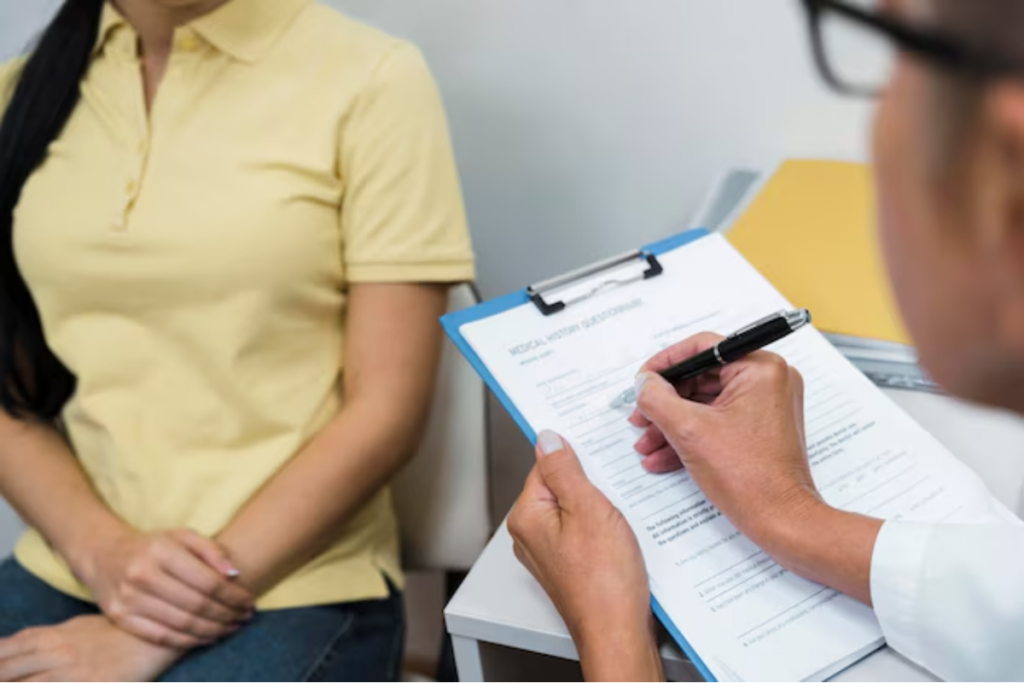
Domestic violence trauma therapy and counseling provide essential support for individuals working to heal from the emotional and psychological toll of abuse. This specialized therapy is designed to help survivors rebuild their lives, addressing the long-lasting effects of trauma with targeted therapeutic approaches.
In these sessions, the therapist may cover essential topics like:
- Past traumatic experiences with a partner, including incidents of abuse or sexual violence.
- Mental health conditions and any symptoms stemming from trauma.
- Steps and resources for safely leaving an abusive relationship.
- Family-related concerns and ways to communicate with loved ones.
- Navigating divorce, separation, and issues around child custody.
- Strategies for keeping oneself safe in the future.
- Building self-care habits and boosting self-esteem.
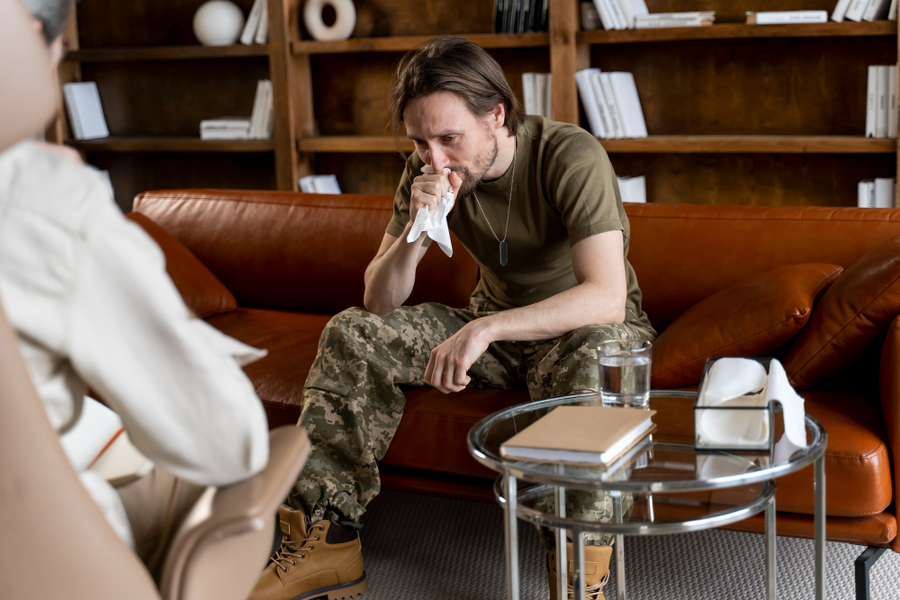
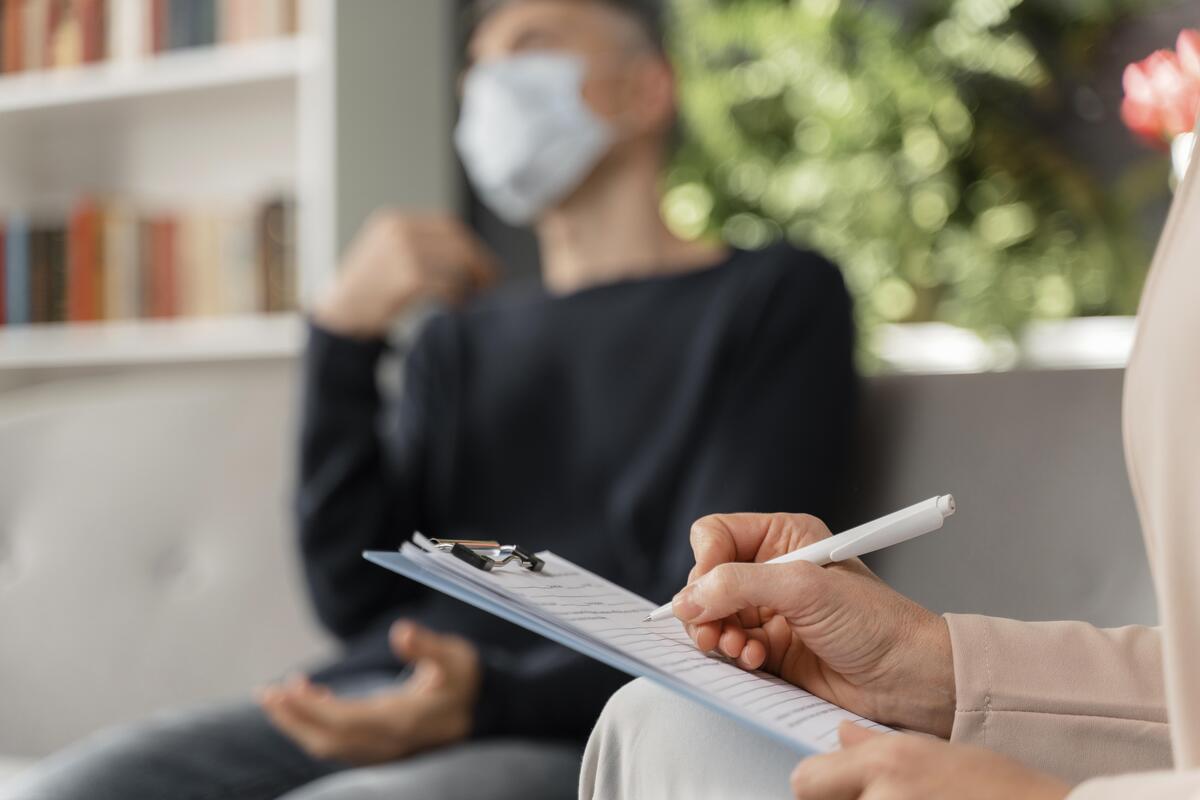
Therapists experienced in domestic violence are often skilled in addressing the deep, lasting effects of trauma on an individual’s mental and emotional well-being. They might utilize specialized therapeutic methods to address trauma, such as trauma-focused cognitive behavioral therapy, or support you with talk therapy to explore your experiences and tackle present-day challenges. This form of therapy is structured to provide understanding, empowerment, and practical support for those seeking to reclaim control over their lives.
How Can a Therapist Provide Support?
Therapists play a crucial role in supporting individuals affected by domestic violence, offering a range of therapeutic approaches that help clients rebuild, heal, and regain control of their lives. Here’s how they can provide support:
- Empowerment and Self-Care: Many domestic violence counselors are trained to help survivors practice self-care, regain confidence, and foster the skills needed for building healthy relationships.
- Cognitive-Behavioral Therapy (CBT): Therapists often use CBT to help individuals understand and reshape negative thought patterns that may have developed due to trauma, promoting healthier self-perceptions and coping mechanisms.
- Specialized PTSD Treatment: Some therapists are skilled in Eye Movement Desensitization and Reprocessing (EMDR), a therapy aimed specifically at reducing PTSD symptoms, which can be beneficial for those recovering from abusive experiences.
When meeting with a therapist for the first time, consider asking:
- Their experience with issues similar to yours
- Types of challenges they’ve successfully addressed
- Ways they can support you through specific challenges
In addition to therapy, counselors often provide:
- Resource Guidance: Therapists can connect clients with local resources and support networks for navigating the process of leaving a harmful relationship.
- Emotional Support: They offer guidance and stability during difficult transitions, such as preparing for or coping with divorce.
- Boundary-Setting: Therapists can work with clients on strategies to establish boundaries with an ex-partner, providing insights on creating a personal safety plan for ongoing protection.
Working with a therapist can be an empowering first step in the healing journey, offering emotional support, practical tools, and safety strategies tailored to each individual’s needs.
Exploring Alternative Support Options
Therapeutic support isn’t limited to traditional one-on-one counseling. For many individuals, alternative forms of support can be equally beneficial in fostering healing and recovery. Here are some options that offer unique benefits:
Support Groups for Survivors
Many people find comfort in groups specifically designed for survivors of domestic violence, abuse, or assault. These groups:
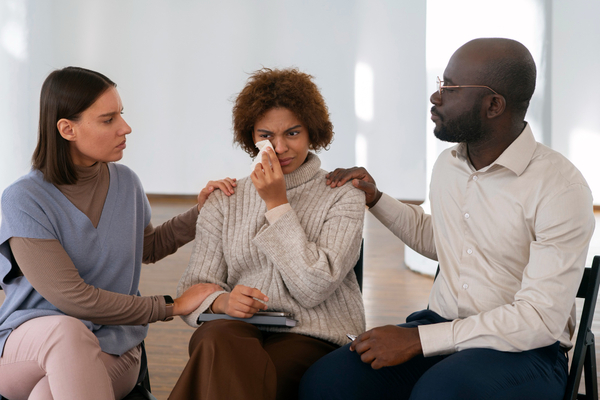
- Provide a safe space to connect with others who have shared similar experiences
- Help reduce feelings of isolation and loneliness
- Foster a supportive community where members can openly share and learn from each other
Healing Retreats
Retreats for abuse survivors offer longer-term, immersive support. These retreats:
- Facilitate healing in a peaceful, restful setting away from daily stresses
- Encourage relaxation and self-reflection to aid the recovery process
- Provide structured activities that promote emotional and mental well-being
Alternative options like these are invaluable in complementing traditional counseling, empowering individuals to find a path to healing that best suits their needs and circumstances.

Exploring Trauma Therapy Options for Domestic Violence Survivors: Finding the Right Path to Healing
Experiencing domestic violence can leave deep, lasting scars, both emotionally and physically. Trauma therapy offers survivors a pathway to healing and rebuilding their lives, with various effective options available. Here’s a breakdown of key therapy methods to consider:
Cognitive Behavioral Therapy (CBT)
- Helps reframe negative thought patterns.
- Aims to reduce symptoms of trauma and improve emotional well-being.
Eye Movement Desensitization and Reprocessing (EMDR)
- Targets traumatic memories.
- Assists in processing trauma in a healthy, manageable way.
Group Therapy
- Provides a supportive community.
- Helps combat isolation and promotes shared healing through connection.
One-on-One Counseling
- Offers a personalized approach with a trained therapist.
- Allows survivors to work through trauma at their own pace.
Art Therapy and Mindfulness-Based Therapies
- Uses creative expression as an outlet for processing trauma.
- Includes mindfulness techniques to promote relaxation and grounding.
Understanding these diverse therapy options helps survivors of domestic violence take the first step toward regaining control and finding hope in their journey to recovery. Although finding the right therapy may take time, each step forward is an empowering choice toward a brighter future.
Counseling Options
If you’re facing mental health challenges related to domestic violence, know that you’re not alone. Here are some supportive options to consider:
Online Therapy
- Offers a safe, accessible way to get help, especially if in-person visits feel overwhelming.
- Online therapists meet the same licensing standards as in-person therapists, providing effective, evidence-based care.
- Virtual sessions are often more affordable and allow you to attend from a space where you feel safe.
Effectiveness for Trauma
- Research shows online therapy can significantly reduce symptoms of depression and PTSD, especially through trauma-focused interventions.
Easy Access to Support
- Many platforms match you with licensed therapists based on your needs and preferences, making it easier to start your healing journey.
Taking this step is a courageous move toward the support and healing you deserve.
Types of Trauma Therapy and How to Choose the Right One
When it comes to healing from domestic violence, understanding various therapy modalities can help survivors select the most effective support for their individual needs. Here’s an overview of a few therapeutic approaches and their unique benefits:
Somatic Therapy
Somatic therapy focuses on the connection between mind and body, helping survivors process trauma stored in their physical body. Techniques like deep breathing, body awareness, and movement exercises can release tension and foster a sense of safety within the body, making it ideal for those who experience trauma as physical stress or tension.
Narrative Therapy
Narrative therapy encourages survivors to separate their identity from their experiences, empowering them to reshape their personal stories. This approach helps individuals see themselves as more than their trauma, creating space to rebuild self-esteem and a positive sense of self.
Internal Family Systems (IFS)
IFS is based on the idea that we all have multiple “parts” or aspects of ourselves. In IFS, survivors learn to connect with these parts compassionately, understanding how certain behaviors may have served as coping mechanisms. This approach is particularly helpful for individuals with complex trauma or those who experience internal conflict.
The Role of Psychopharmacology
Medications may be used in conjunction with therapy to manage symptoms like anxiety, depression, and PTSD. Psychopharmacology can stabilize mood and reduce intrusive symptoms, but it’s essential to discuss both the benefits and limitations with a qualified provider. Medications can be a useful supplement but are often most effective when combined with talk therapy to address root causes of trauma.
Choosing the right therapy is a personal process that may require exploring multiple options. A therapist trained in domestic violence recovery can help tailor support to individual needs and goals.
Conclusion
Trauma therapy is a powerful tool for survivors of domestic violence, providing a path toward healing, safety, and reclaiming personal autonomy. Therapists play a crucial role in this journey, offering guidance through various approaches like Cognitive Behavioral Therapy (CBT), Eye Movement Desensitization and Reprocessing (EMDR), and supportive group therapy. With the help of therapists, survivors can address the emotional scars left by abuse, rebuild self-esteem, develop coping strategies, and establish boundaries—essential steps for moving forward. Remember, finding the right therapy might take time, but every step is a commitment to self-care and recovery. Support is available, and with the right resources, survivors can rebuild their lives with hope and resilience.
FAQs
What is trauma therapy, and how does it help survivors of domestic violence?
Trauma therapy helps survivors process and heal from traumatic experiences, providing tools to manage emotional responses, rebuild self-esteem, and establish safety.
How can Cognitive Behavioral Therapy (CBT) aid domestic violence survivors?
CBT helps survivors reframe negative thought patterns caused by trauma, encouraging healthier self-perceptions and effective coping strategies.
What is EMDR, and why is it recommended for PTSD from domestic violence?
EMDR targets traumatic memories, using guided eye movements to help survivors process trauma in a manageable way, reducing PTSD symptoms.
Are there support groups available for domestic violence survivors?
Yes, support groups provide a safe, understanding community where survivors can connect, share, and gain strength through shared healing experiences.
How can someone access online therapy for trauma from domestic violence?
Many platforms offer licensed online therapists who specialize in trauma and domestic violence, allowing survivors to receive support from a safe, private environment.