
FC PsychExperts provides forensic psychological evaluations for Deltona and Volusia County attorneys handling criminal, civil, family, and immigration cases in the 7th Judicial Circuit. Four doctoral-level psychologists staff the practice, and forensic work is the primary specialty, not clinical therapy with an occasional court case attached. The team has been qualified as expert witnesses across five Florida judicial circuits (the 1st, 15th, 17th, 19th, and 20th). Their work spans competency to stand trial, contested wills, personal injury, and immigration hardship petitions.
Volusia County’s demographics make forensic evaluation demand here different from most Florida markets. Over 142,000 residents (25% of the county) are 65 or older, well above the national average of 16.8%. That concentration generates above-average volume of guardianship petitions, testamentary capacity disputes, and elder competency questions. The I-4 corridor running through Deltona adds a parallel stream of personal injury and traumatic brain injury litigation. Both case types require a forensic psychologist, not a treating clinician.
Three Case Types That Require a Forensic Psychologist in Volusia County
Not every psychological question in a legal case needs a forensic specialist. These three do.
Case profile one: criminal defense with a contested mental state
A defendant at the Volusia County Courthouse in DeLand has a documented psychiatric history and prior head injury. Defense counsel needs two separate evaluations: a competency determination asking whether the defendant can understand the proceedings and assist in their own defense, and a mitigation report grounding sentencing arguments in clinical evidence rather than narrative alone. The evaluator’s report has to survive cross-examination from prosecution and meet Florida Statute 916.115 requirements. That statute mandates court-appointed forensic evaluators complete annual training through the Department of Corrections, a requirement that tightened as of July 1, 2026. FC PsychExperts handles both evaluation types with psychologists who have been through this process in multiple circuits.
Case profile two: contested estate or guardianship in DeLand probate
A will was executed weeks before the signer died of advanced Alzheimer’s disease. The contesting party needs a psychological autopsy, a retrospective evaluation of the decedent’s cognitive capacity at the time the document was signed. The evaluator reviews medical records, cognitive test results, pharmacy records, and interviews collateral witnesses who observed the decedent during the relevant period. Volusia County’s aging population makes this one of the more common forensic referral types in the 7th Judicial Circuit, which files over 140,000 cases a year across Volusia, Flagler, Putnam, and St. Johns counties. The report must address the specific Florida legal standard for testamentary capacity, not just clinical impressions of cognitive decline.
Case profile three: personal injury with traumatic brain injury
A plaintiff suffered a closed-head injury in a crash on Interstate 4 near Deltona. Counsel needs a forensic neuropsychologist to document cognitive deficits, establish causation between the accident and the impairment, and project long-term functional limitations. The defense will retain its own neuropsychologist. The case turns on whose evaluation methodology survives a Daubert challenge. Dr. Lauren Miller, FC PsychExperts’ clinical and forensic neuropsychologist with close to 20 years of experience, handles these neuropsychological evaluations with validated instruments and testing protocols that meet admissibility standards in Florida courts.
How Forensic Psychology Differs from Clinical Psychology
The difference comes down to one word: purpose. A clinical psychologist’s client is the patient, and the goal is treatment. A forensic psychologist’s client is the court or the retaining attorney, and the goal is an accurate answer to a legal question. That distinction changes everything downstream.
The interview is structured around legal criteria, not therapeutic rapport. Testing instruments are selected because they’re validated for forensic use and will withstand cross-examination, not because they’re clinically convenient. Collateral records (medical charts, police reports, school records, employment files, prior evaluations) get reviewed and integrated as evidence, not treated as background context.
Reports follow a forensic format that documents every procedure, every source, and the factual basis for each conclusion. This transparency is what allows the work to pass Daubert admissibility standards.
When testimony is required, the forensic psychologist prepares for the specific lines of cross-examination opposing counsel will pursue. The difference between a strong evaluation and a weak one usually isn’t the clinical findings. It’s whether the methodology, documentation, and courtroom presentation hold up under adversarial testing. FC PsychExperts’ four psychologists do this work full-time. A clinician who testifies occasionally is a different hire than a psychologist who builds their practice around court scrutiny.
Criminal Forensic Evaluations for 7th Judicial Circuit Cases
Criminal cases at the Volusia County Courthouse in DeLand (101 N. Alabama Ave.) or the S. James Foxman Justice Center in Daytona Beach (251 N. Ridgewood Ave.) regularly turn on psychological questions the court can’t answer without expert evaluation. FC PsychExperts handles the full range for defense cases across the 7th Circuit.
Competency to stand trial. Florida requires that a defendant understand the nature and object of the proceedings and be able to assist counsel. The evaluator uses validated competency instruments and documents findings against Florida’s statutory standard. This is the most common criminal forensic referral type in every Florida circuit.
Mitigation evaluations. Defense counsel uses these to support sentencing arguments for a downward departure. The evaluation identifies psychological factors (trauma history, cognitive limitations, mental illness, developmental issues) that the court should weigh as mitigating circumstances. Dr. Cathy Colet has conducted mitigation evaluations across multiple Florida circuits and provides both written reports and testimony at sentencing hearings.
Violence risk assessments. These use actuarial instruments combined with structured professional judgment to evaluate the probability of future dangerous behavior. Results inform bail decisions, sentencing, and supervised release conditions.
Psychosexual evaluations. Required for cases involving sexual offenses or sexually violent predator proceedings. The evaluation assesses sexual behavior patterns, recidivism risk through validated instruments, and treatment amenability. Dr. Matthew J. Jalazo, who has practiced forensic psychology full-time for 15 years, handles these assessments.
Criminal responsibility. The question is whether the defendant met the legal threshold for insanity at the time of the alleged offense. This work is retrospective. The evaluator reconstructs the defendant’s mental state from records, collateral interviews, and clinical assessment, then maps findings to Florida’s M’Naghten-based insanity standard.
Civil Litigation, Personal Injury, and Guardianship Evaluations
Volusia County’s case mix skews older than most Florida markets. The county’s median age is 46.6 years, eight full years above the national median of 38.5. With over 142,000 residents past 65, guardianship filings, capacity disputes, and elder competency questions appear on the 7th Circuit docket at above-average rates. The I-4 corridor through Deltona layers personal injury and motor vehicle litigation on top. FC PsychExperts serves both streams.
Personal injury and emotional injury evaluations
The forensic psychologist documents the psychological impact of an accident, assault, medical incident, or other traumatic event. The evaluation examines pre-existing conditions, causation, severity of current impairment, and prognosis for recovery or permanent limitation. FC PsychExperts works with both plaintiff and defense attorneys on personal and emotional injury cases. Dr. Colet’s background includes clinical work at a Level 1 Trauma Center, which gives her direct experience with the acute presentation of traumatic brain injuries and catastrophic injuries that later become the subject of litigation.
Independent medical examinations follow a similar methodology but are conducted at the request of an opposing party or insurer, with a different duty framework.
Guardianship and capacity evaluations
An elder law attorney in DeLand needs a forensic assessment of an elderly client’s capacity to manage finances, make medical decisions, grant power of attorney, or execute a will. The evaluator must understand both the clinical presentation of cognitive decline (Alzheimer’s disease, vascular dementia, Lewy body disease) and the specific Florida legal standard the court applies for each capacity question.
These are distinct legal standards. A person may have capacity to make medical decisions but lack capacity to manage a complex financial portfolio. The evaluation must address each question separately with supporting clinical data.
Psychological autopsies for contested estates fall in this category. The work is retrospective: the evaluator reconstructs the decedent’s cognitive state at a specific point in time using medical records, pharmacy records, and witness testimony.

Custody and Family Law Evaluations in the 7th Judicial Circuit
Custody disputes in Volusia County family court require a forensic evaluator whose obligation runs to the children, not to whichever parent wrote the retainer check. FC PsychExperts conducts custody evaluations, parental capacity assessments, and social investigations with that principle as the starting point.
The evaluation assesses each parent’s psychological functioning, parenting capacity, and the quality of the parent-child relationship. Risk factors (substance use, domestic violence history, mental illness, abuse allegations) are examined through clinical interview, collateral contacts, psychological testing, and direct observation. Florida Administrative Rule 64B19-18.007 governs the requirements for forensic psychological evaluations of minors in dissolution, support, and time-sharing cases.
Dr. Colet conducts these evaluations and builds reports that document every clinical observation and connect it to the recommendation reached. A forensic psychologist who lets the retaining party shape conclusions has failed the children at the center of the case. The report must be objective enough that either party’s attorney can use it, or challenge it, on its merits.
Immigration and Juvenile Forensic Evaluations
Two additional evaluation categories fill a regular need for Volusia County attorneys.
Immigration evaluations
Volusia County’s Hispanic/Latino population (16.3% countywide, higher in Deltona) generates consistent demand for immigration psychological evaluations. These support hardship waiver petitions, asylum applications, U visa applications, VAWA claims, and other matters where the psychological consequences of removal, persecution, or family separation must be documented for USCIS or an immigration judge.
Dr. Colet’s immigration work covers extreme and exceptional hardship, political asylum, spousal abuse, competency to participate in immigration proceedings, and same-sex couples hardship waivers. She is available to conduct evaluations at ICE detention centers and correctional facilities when access is arranged.
Juvenile forensic evaluations
Adolescents aren’t small adults. Their cognitive and emotional development differs from adult functioning in ways that directly affect competency assessments, risk evaluations, and behavioral analysis. Juvenile competency to stand trial relies on different normative data than adult competency. Violence and sexual risk assessments require age-appropriate instruments with distinct actuarial bases.
FC PsychExperts’ team has documented experience with child and adolescent evaluations for the Department of Juvenile Justice, ChildNet, Communities Connected for Kids, and direct court referrals across multiple Florida circuits.
How a Forensic Evaluation Works: From Referral to Testimony
Most attorneys retain a forensic psychologist once or twice in a career. The process runs differently from hiring a clinical expert. Here’s the sequence FC PsychExperts follows for 7th Judicial Circuit cases.
Step 1: Referral and case review. The retaining attorney calls or emails with the case facts, the legal question the evaluation needs to answer, and the court deadline. FC PsychExperts reviews the case type, confirms the right team member is available, and establishes scope.
Step 2: Records collection. The evaluator requests all relevant collateral records: medical charts, psychiatric records, school records, police reports, prior evaluations, pharmacy logs, and any other documentation bearing on the legal question. Record collection is usually the longest variable in the timeline because it depends on third-party response times.
Step 3: The evaluation session. The evaluator conducts a structured clinical interview and administers validated psychological tests selected for the specific legal question. Evaluations can be conducted at the Jupiter or Fort Lauderdale office, at a courthouse or correctional facility, or through travel to Deltona when the case requires it.
Step 4: Report writing. The forensic report documents every procedure, every source reviewed, and the factual and clinical basis for each conclusion. This is where forensic reports differ most from clinical reports. The level of documentation is built for an adversarial process, not a treatment plan.
Step 5: Testimony preparation and court appearance. If the case goes to deposition or trial, the evaluator prepares for the specific lines of cross-examination opposing counsel is likely to pursue. FC PsychExperts’ psychologists travel to the Volusia County Courthouse in DeLand, the Foxman Justice Center in Daytona Beach, or whichever 7th Circuit courthouse hears the case.
The FC PsychExperts Team
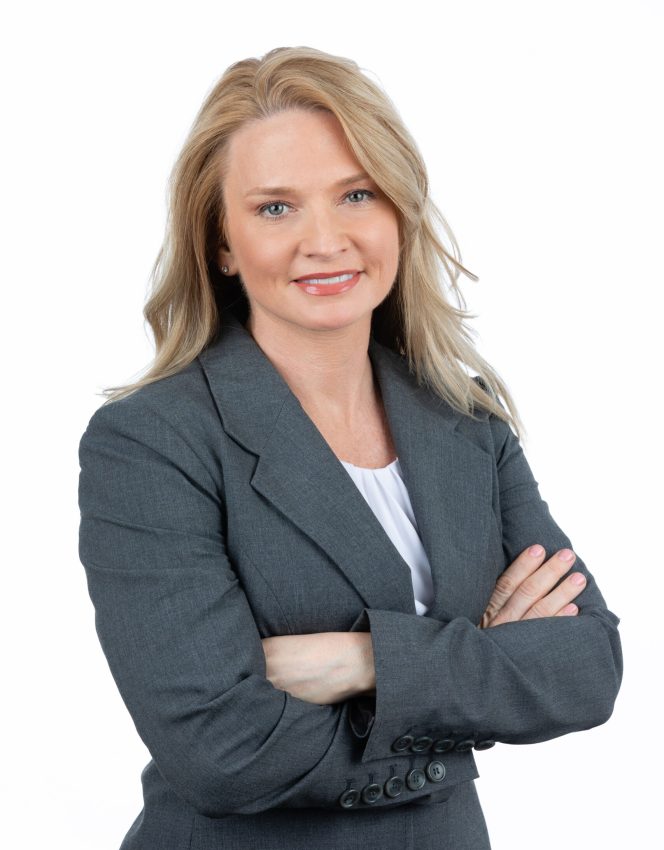
Dr. Cathy Colet
Forensic PsychologistDr. Cathy Colet is a Licensed Clinical and Forensic Psychologist and founder of Forensic and Clinical PsychExperts, LLC.
Read More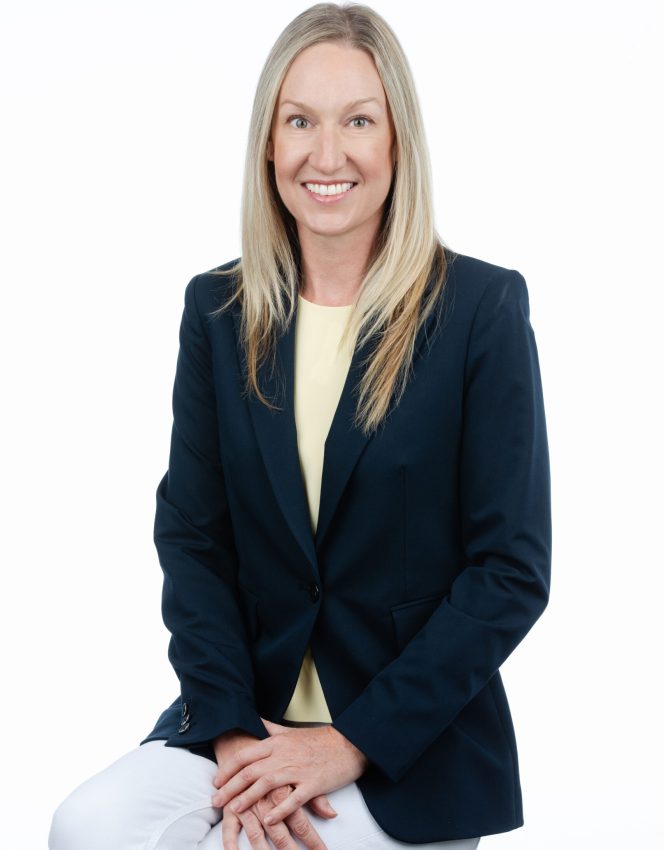
Dr. Lauren Miller
Clinical and Forensic NeuropsychologistDr. Miller has nearly 20 years of experience as a clinician, consultant, lecturer, and writer.
Read More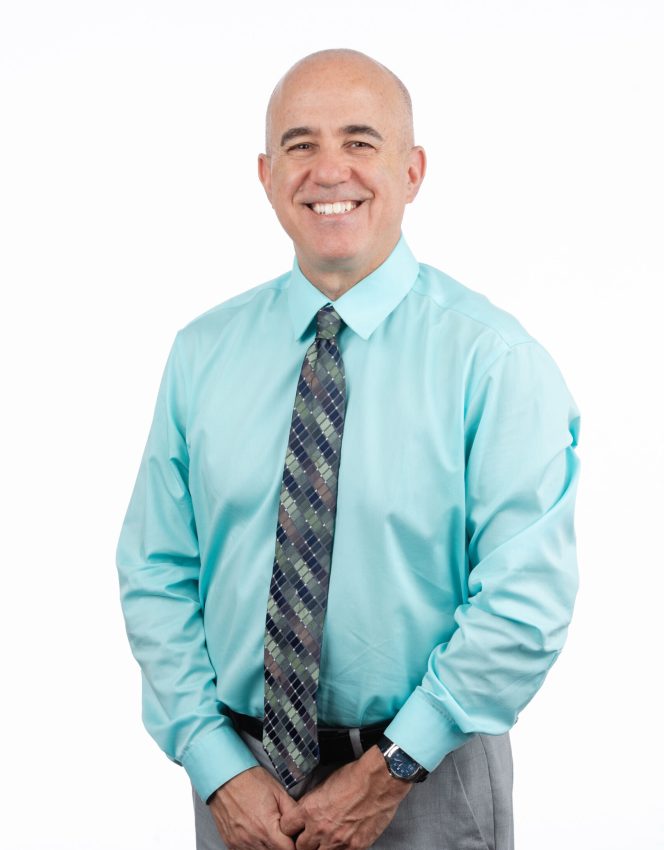
Dr. Matthew J. Jalazo
Forensic PsychologistDr. Matthew J. Jalazo is a licensed psychologist who has practiced forensic psychology on a full-time basis for the last fifteen years.
Read More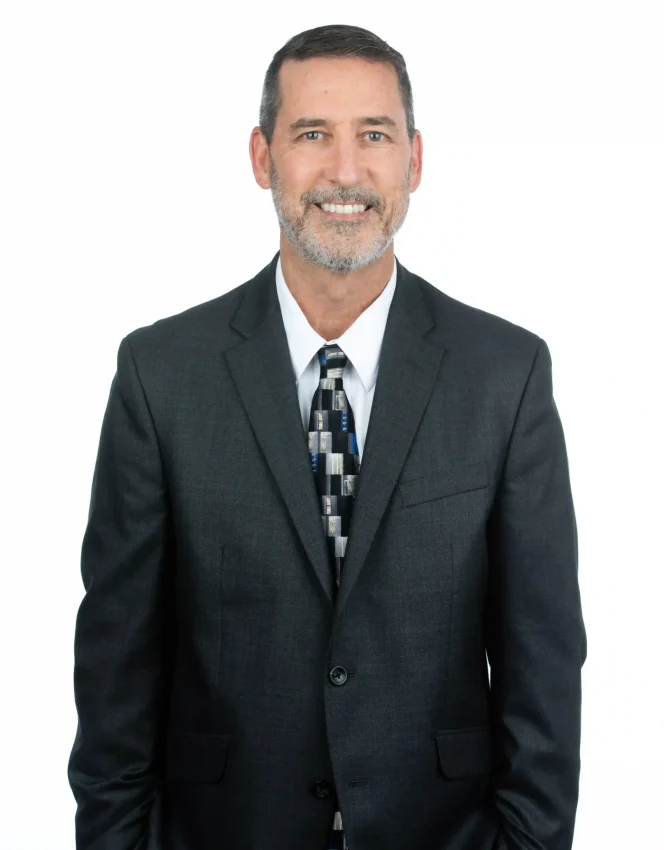
Dr. Christopher J. Beltran
Forensic PsychologistDr. Beltran is a Licensed Forensic Psychologist with over twenty-five years of experience in criminal and family law
Read MoreHow FC PsychExperts Serves Deltona and the 7th Judicial Circuit
FC PsychExperts doesn’t maintain a physical office in Deltona. The practice serves 7th Circuit cases from two South Florida locations through a workflow built for statewide coverage.
Jupiter office: 210 Jupiter Lakes Boulevard, Unit 4-201, Jupiter, FL 33458. Approximately 150 miles south of Deltona and the closer office for Volusia County referrals.
Fort Lauderdale office: 1451 W. Cypress Creek Road, Suite 300, Fort Lauderdale, FL 33309.
Service delivery works through four channels depending on the case. Travel-based evaluations bring the psychologist to Deltona, DeLand, or Daytona Beach. Evaluations at the Jupiter office work when the client or examinee can travel south. Courthouse-based or facility-based evaluations happen at the Volusia County Courthouse, the Foxman Justice Center, correctional facilities, or detention centers. Telehealth evaluations are available where the legal and clinical context permits remote administration.
The team has not yet testified in the 7th Circuit specifically. Their multi-circuit record across five other Florida circuits means the methodology, report format, and testimony preparation carry directly. The practice already knows how to run a forensic engagement from referral through report to testimony regardless of which Florida courthouse hears the case. For a forensic psychologist serving nearby areas like Melbourne and the Space Coast, the same statewide model applies.
Frequently Asked Questions
How do I find a forensic psychologist for a Volusia County case?
Forensic psychologists who do this work full-time are concentrated in Florida’s larger metro markets (Miami, Fort Lauderdale, West Palm Beach, Orlando, Tampa). Volusia County attorneys typically look outside the county for doctoral-level forensic specialists. The credentials worth checking: a doctoral degree in psychology, forensic evaluation as a primary practice (not a sideline to clinical work), documented expert witness testimony in Florida courts, and specific experience with the evaluation type your case requires. FC PsychExperts meets these criteria with four doctoral-level psychologists serving Deltona from offices in Jupiter and Fort Lauderdale.
What does a forensic psychologist do?
A forensic psychologist applies clinical psychology methods to questions the legal system needs answered. The work involves structured interviews built around legal criteria, validated psychological testing, review of collateral records, written reports built for legal scrutiny, and sworn testimony when the case requires it. At FC PsychExperts, every evaluation is conducted with admissibility in mind. The methodology, documentation, and report format reflect Florida evidentiary standards, not clinical practice conventions.
What’s the difference between a forensic psychologist and a clinical psychologist?
The client is different, and that changes everything. A clinical psychologist’s client is the patient. The goal is treatment. A forensic psychologist’s client is the court or the retaining attorney, and the goal is an accurate evaluation. The interview methods, testing instruments, documentation standards, and final product all follow from that distinction. FC PsychExperts’ practice is approximately 75% forensic, which means every report and testimony is built for courtroom use from the outset.
Can a forensic psychologist evaluate a Volusia County case from a South Florida office?
Yes. Florida-licensed forensic psychologists can serve cases anywhere in the state. FC PsychExperts handles Volusia County referrals through travel-based evaluations, courthouse-based sessions, evaluations at the Jupiter office, and telehealth where appropriate. The team’s testimony record across five Florida judicial circuits shows the methodology carries regardless of which courthouse hears the case. The Jupiter office is approximately 150 miles from Deltona, a standard travel distance for statewide Florida forensic work.
What types of cases need a forensic psychological evaluation?
Cases where a psychological question sits at the center of a legal dispute. In criminal matters: competency to stand trial, criminal responsibility (insanity defense), mitigation for sentencing, violence risk assessment, and psychosexual evaluations. In civil cases: personal injury, independent medical examinations, guardianship, testamentary capacity, and psychological autopsies. In family court: custody evaluations, parental capacity assessments, and social investigations. And in immigration proceedings: hardship waivers, asylum applications, U visas, and VAWA claims. Juvenile cases have their own set: competency, behavioral risk, and sexual risk assessments using age-appropriate instruments. Each type carries its own legal standard and methodology, which is why a forensic specialist outperforms a generalist clinician.