No forensic psychology practice keeps an office inside Highland Beach. It is a small barrier-island town between Boca Raton and Delray Beach, and forensic evaluations for Highland Beach cases are handled by Palm Beach County psychologists who serve the 15th Judicial Circuit from nearby offices. FC PsychExperts is one of them. Our offices in Jupiter and Fort Lauderdale bracket Highland Beach to the north and south, and our psychologists have testified in the 15th Circuit and four other Florida circuits. Every evaluation follows APA ethical guidelines, uses validated instruments, and is written to meet Florida’s Daubert standard for admissibility.
What a Highland Beach Forensic Referral Actually Involves
A forensic psychological evaluation answers a specific legal question for a court. It is not therapy, and it is not a quick clinical interview.
The evaluator works for the court or the retaining attorney, not for the person being examined, and writes a report built to hold up under cross-examination. Treatment notes can be subpoenaed, but they were never designed for a courtroom. A forensic evaluation is designed for that setting from the first phone call.
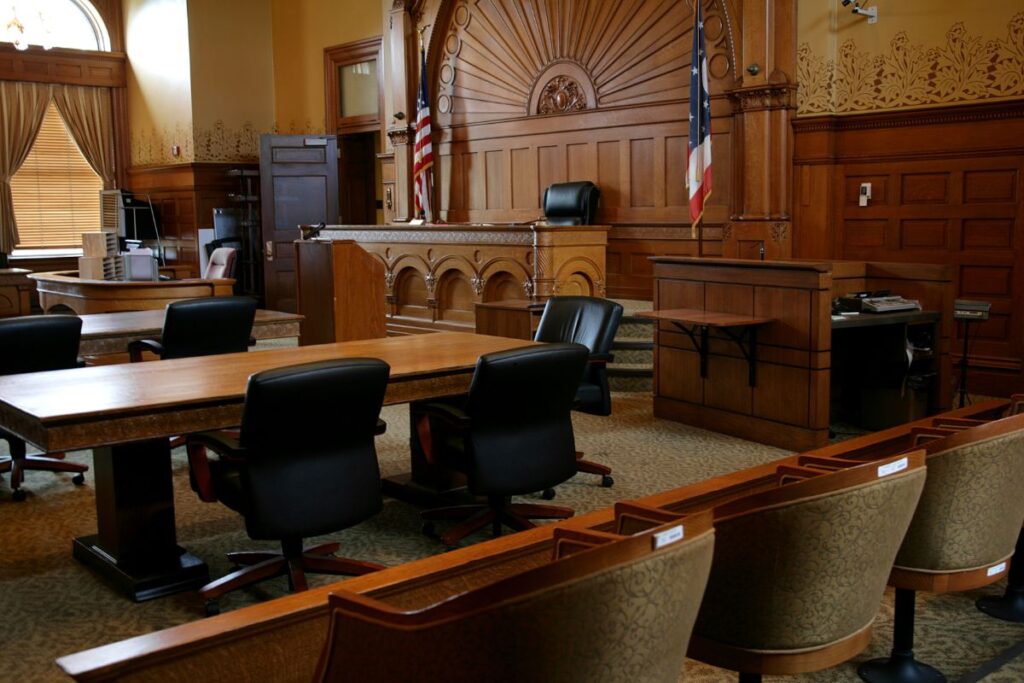
For a Highland Beach matter, that work happens in the 15th Judicial Circuit, which covers all of Palm Beach County. Because no dedicated forensic practice sits in the town itself, the real choice is between a court-appointed evaluator through the county system and a privately retained psychologist based nearby. Both routes are covered below. The distinction matters more than location, because a Florida judge decides what testimony reaches the jury, and that decision turns on methodology rather than a mailing address.
What Changed for Court-Appointed Forensic Experts
In 2025, Florida tightened the rules for who can be appointed by a court to conduct competency and sanity evaluations in adult cases.
Under amendments to Chapter 916, Florida Statutes (House Bill 1091, Chapter 2025-143, Laws of Florida), an expert appointed by the court to evaluate competency to proceed, sanity at the time of an offense, involuntary placement, or treatment must be a psychiatrist, a licensed psychologist, or a physician. The state-approved training those evaluators complete now has to cover competency restoration, evidence-based practices, and least restrictive treatment alternatives. You can read the chapter on the Florida Senate statutes site.
The Department of Children and Families keeps the list of approved evaluators and sends an updated version to the chief judge of each circuit every year, including the 15th. The practical effect for a Palm Beach County case comes down to this: if your matter could involve a court-appointed evaluator, the pool of qualified people and the training behind them changed in 2025. A privately retained psychologist gives you a direct say in who does the work. A court-appointed one carries a stronger presumption of neutrality but less choice. Most service pages targeting this area never mention the change at all.
Two Ways to Get a Forensic Evaluation for a 15th Circuit Case
Court-appointed: the county forensic office
The Palm Beach County Forensic Psychology Services Office, part of the 15th Judicial Circuit’s justice system, handles court-ordered psychological assessments for adults, teens, children, and seniors. After a judge signs the order, the person being evaluated contacts the office directly at (561) 355-2108 to schedule, and the court oversees the arrangements. This route is built for court-ordered work and is not widely promoted on private practice websites, but it is a legitimate public pathway worth knowing about early. Details are on the county justice services page.
Privately retained: a psychologist you choose
Here an attorney or party engages the evaluator directly. You choose who conducts the work, you coordinate the timeline against your court dates, and the same psychologist can review an opposing expert’s report, help frame deposition questions, and testify. FC PsychExperts works in this second lane. If your goal is control over the evaluator and direct coordination with your litigation schedule, private retention is usually the better fit. If a neutral court appointment serves the case better, the county office is the place to start.
The Daubert-Ready Vetting Checklist
Before you retain any forensic psychologist for a Florida case, run a short check on the five things that decide whether an evaluation holds up. We apply the same points to our own work.
- Methodology that survives a Daubert challenge. Florida uses the Daubert standard under section 90.702, so the trial judge is the gatekeeper. Ask how the evaluator uses validated, testable instruments with known error rates, applied the same way each time, and how the report ties to the statute. “Court-qualified” on a website is not the same thing. The Florida Bar Journal explains the standard.
- Recent, local testimony. Ask whether the evaluator has testified in the 15th Judicial Circuit recently, and in what kinds of matters. A psychologist who knows what Palm Beach County judges expect writes a different report than one who does not.
- Forensic-specific training and credentials. Board certification through the American Board of Professional Psychology is the rigorous, peer-reviewed benchmark, with practice samples and an oral exam. Not every strong evaluator holds it, but it is a meaningful marker on top of a current license and forensic training.
- A realistic timeline in writing. Ask for the expected time from records received to final report, and exactly what the evaluator needs from your side. The process section below sets out typical ranges so you can sanity-check the answer.
- A clear scope agreed up front. Agree at the start how record review, collateral interviews, and revisions are handled, so the work is defined before it begins rather than negotiated mid-case.
The Evaluations We Handle for Palm Beach County Cases
FC PsychExperts conducts forensic evaluations across criminal, civil, family, and immigration matters, each matched to the legal question at hand.
- Criminal. Competency to proceed, criminal responsibility and sanity, capacity to waive Miranda rights, violence risk assessment, psychosexual and sexually violent predator evaluations, and mitigation assessments in capital and non-capital sentencing.
- Civil and personal injury. Emotional and psychological injury evaluations, independent medical examinations, and forensic neuropsychological evaluations for traumatic brain injury and cognitive decline, led by Dr. Lauren Miller. See our personal and emotional injury evaluations.
- Family and probate. Guardianship and capacity evaluations, competency examinations for wills and powers of attorney, civil commitment evaluations, and assessments centered on the best interest of the child.
- Immigration and specialized. Hardship evaluations for waivers, asylum, and VAWA petitions, plus psychological autopsies and adoption fitness assessments. See our immigration psychological evaluations and the full range of forensic evaluations.
What the Process Looks Like, and How Long It Takes
A forensic evaluation runs in four stages: defining the referral question, reviewing records, testing and interviews, and the written report.
- Define the referral question. The attorney or court sets the specific legal issue the evaluation must answer, which drives instrument selection, record scope, and design. Precision here prevents wasted work later.
- Review the records. Medical files, legal filings, prior reports, school and employment histories, and collateral contacts are analyzed before the person is interviewed.
- Interview and test. A structured clinical interview and validated testing matched to the legal question. When cognition is at issue, neuropsychological instruments add detail standard batteries do not reach.
- Write the report and testify. All sources are synthesized into a report written for attorneys, judges, and opposing experts, with conclusions tied to evidence. The psychologist prepares with the retaining attorney and appears for deposition or trial when the case calls for it.
On timing, direct assessment commonly runs 4 to 8 hours, often spread across 2 to 4 sessions. The full process of records review, testing, scoring, and report writing usually takes several weeks for complex civil and custody matters, while focused competency screens are shorter. Scheduling early around a court date protects the thoroughness of each stage.
The Forensic Psychologists Available for Pinellas County Cases
The practice pairs psychologists whose specializations complement each other, so the right evaluator is matched to the legal question.
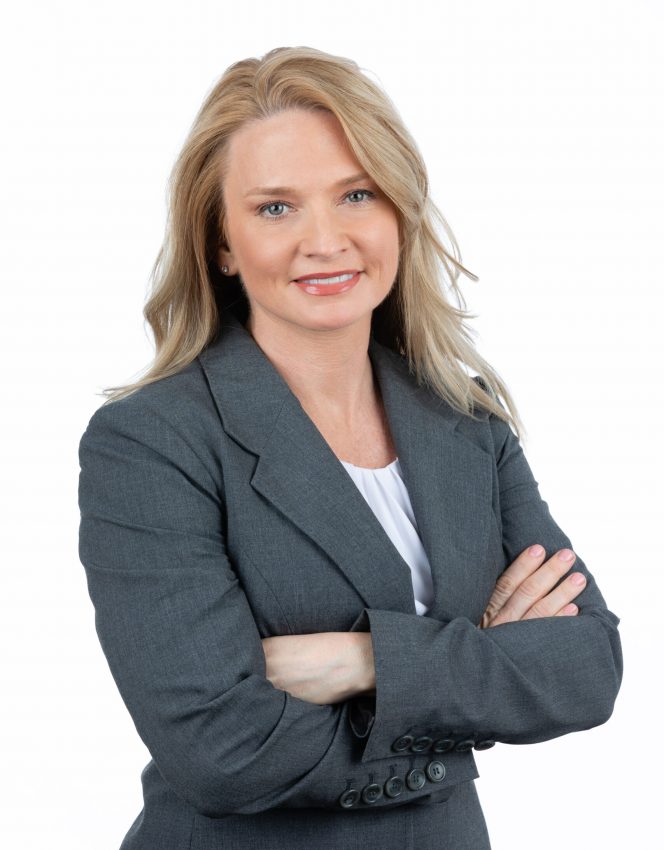
Dr. Cathy Colet handles criminal, civil, family, and immigration evaluations and has firsthand experience in Level 1 Trauma Centers with trauma patients and their families. She has given expert testimony for both prosecution and defense in Florida’s 1st, 15th, 17th, 19th, and 20th judicial circuits, and applies the same objective methodology regardless of which party retained her.
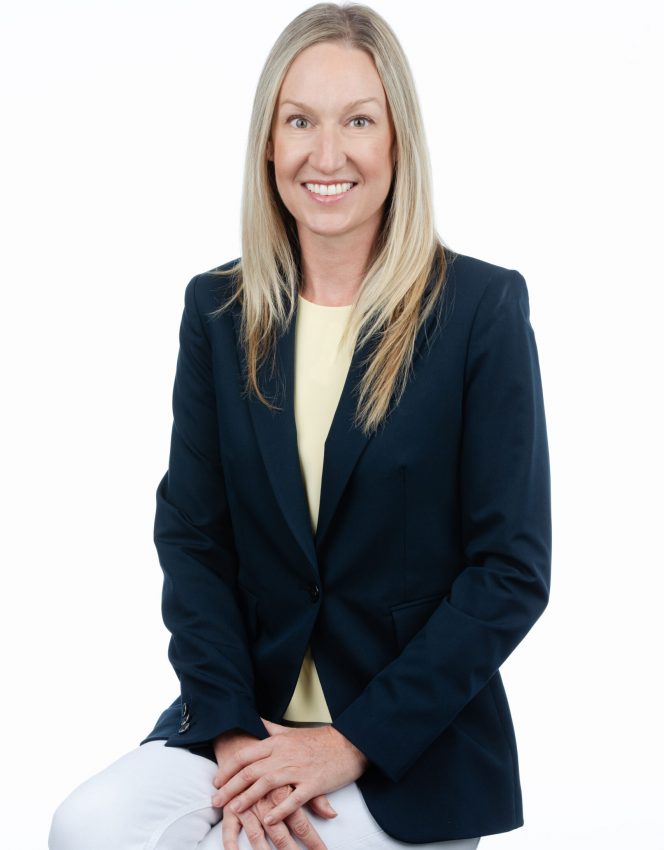
Dr. Lauren Miller is a Clinical and Forensic Neuropsychologist with nearly 20 years of experience and adjunct faculty appointments at the University of Miami and Nova Southeastern University, Dr. Miller provides neuropsychological, psychoeducational, and forensic evaluations. Her litigation consulting includes analysis of opposing experts’ reports and development of deposition questions for cases involving brain injury or cognitive decline.
The team holds memberships in the American Psychological Association, the Association of Family and Conciliation Courts, the Association for the Treatment of Sexual Abusers, the American Professional Society on the Abuse of Children, and Physicians for Human Rights. Learn more about FC PsychExperts.
Serving Highland Beach and the 15th Judicial Circuit
FC PsychExperts serves Highland Beach and the surrounding 15th Judicial Circuit, including Boca Raton, Delray Beach, Boynton Beach, and West Palm Beach.
Our offices in Jupiter and Fort Lauderdale put a psychologist within a short drive of Highland Beach in either direction. Where a matter and the court allow it, we coordinate parts of an evaluation through secure telehealth, and we conduct facility-based assessments when a case calls for it. The standards do not change with the address. The same validated methods we have used in courtrooms across five Florida circuits apply to a Palm Beach County case.
Frequently Asked Questions
Is there a forensic psychologist located in Highland Beach, FL?
No forensic psychology practice keeps an office inside Highland Beach. It is a small barrier-island town, and forensic evaluations for Highland Beach cases are handled by Palm Beach County psychologists who serve the 15th Judicial Circuit from nearby offices. The deciding factor is the evaluator’s methodology and testimony record, not the distance to the courthouse.
What is the difference between a court-appointed and a privately retained forensic psychologist?
A court-appointed evaluator comes through the Palm Beach County Forensic Psychology Services Office after a judge signs an order, and carries a stronger presumption of neutrality with less choice for the parties. A privately retained psychologist is engaged directly by an attorney or party, which means you choose the evaluator, coordinate the timeline against your court dates, and can use the same psychologist for report review and testimony.
Did Florida change the rules for forensic evaluators in 2025?
Yes. Under 2025 amendments to Chapter 916, Florida Statutes (House Bill 1091, Chapter 2025-143), a court-appointed expert in adult forensic proceedings such as competency or sanity must be a psychiatrist, a licensed psychologist, or a physician, and the state-approved training those evaluators complete now has to cover competency restoration, evidence-based practices, and least restrictive treatment alternatives.
How long does a forensic psychological evaluation take?
Direct assessment commonly runs 4 to 8 hours, often spread across 2 to 4 sessions. The full process of records review, testing, scoring, and report writing usually takes several weeks for complex civil and custody matters. Focused competency screens are shorter. Scheduling early around a court date protects the thoroughness of each stage.
What makes a forensic report hold up in a Florida court?
Florida uses the Daubert standard under section 90.702, Florida Statutes, which makes the trial judge the gatekeeper for expert testimony. The methodology has to rest on sufficient facts or data, use reliable principles and methods, and be applied reliably to the case. A label like court-qualified on a website is not the same as a method that survives a Daubert challenge.
Do you provide expert testimony in the 15th Judicial Circuit?
Yes. FC PsychExperts has given expert testimony in the 15th Judicial Circuit, which covers Palm Beach County, along with four other Florida circuits. Every evaluation is written on the assumption that testimony may follow, and the evaluating psychologist coordinates preparation and scheduling with the retaining attorney.