There is no dedicated forensic psychology practice located in the Village of Palm Springs. Palm Springs is one of the 37 municipalities in Palm Beach County, and forensic evaluations for Palm Springs matters are handled at the county level through Florida’s 15th Judicial Circuit, not by a local village office.
That single fact changes how you start. For a Palm Springs case you choose between two routes: an evaluation ordered by the court and handled by the county’s own Forensic Psychology Services Office, or an independent evaluation by a privately retained forensic psychologist. They cost different amounts, they answer to different parties, and they are not interchangeable.
The Two Ways a Palm Springs Forensic Evaluation Actually Happens
A forensic evaluation in Palm Beach County reaches you through one of two channels: the court orders one and assigns it to the county office, or you retain a private expert directly. Here is what each one is.
Route 1 – The court orders it (Palm Beach County Forensic Psychology Services Office)
If a judge in the 15th Judicial Circuit has signed an order for an evaluation, that work is often routed to the county’s own Forensic Psychology Services Office, also called Court Psychology. This is a public county office, not a private practice you hire.
What it covers, by court division:
- Criminal: competency to proceed, mental status at the time of the offense, evaluations of intellectual disability, risk assessment and conditional release.
- Juvenile: threat assessments, psychological evaluations in delinquency proceedings, competency to proceed, parental and child evaluations in dependency cases.
- Family: risk assessment and psychological evaluations for participants in domestic violence cases.
- Guardianship: handled through the Clerk of the Circuit Court and Comptroller.
Route 2 – You retain an independent expert (private practice)
The county office handles court-ordered work. It does not provide the independent, privately retained expert that attorneys often need to build or defend a case, to obtain a second opinion, or to bring a specific subspecialty to a complex matter. That is where a private forensic psychologist comes in.
You would retain a private expert when you need an opinion you control the scope of, when the court permits or requires a retained expert, when you want a defense or plaintiff-side evaluation rather than a court-neutral one, or when the legal question demands a named specialist whose report and testimony can hold up under challenge. FC PsychExperts works on both court-ordered and privately retained matters across criminal, civil, family, and immigration law.
The Expert-Fit Test: Four Questions Before You Hire Anyone
Most pages tell you what a forensic psychologist does. None tell you whether you actually need to retain one. These four questions, which we ask every attorney and family who calls, sort that out in about two minutes.
1. Has a judge already ordered the evaluation, or are you still building the case?
If an order exists, read it. If it directs the evaluation to the court’s office, the county route in Route 1 is usually your path. If you are pre-order, or the order allows a retained expert, you are choosing a private evaluator and Route 2 applies.
2. Do you need an independent opinion, or will a court-neutral report do?
A court-appointed evaluation is neutral by design. If your strategy needs an expert retained by your side, to rebut another opinion or to develop a specific theory, the county office cannot fill that role. A private expert can.
3. What legal standard does the opinion have to meet, and does it need a subspecialty?
Competency to proceed, criminal responsibility, parental capacity, violence or sexual risk, and extreme-hardship immigration evaluations each turn on a different standard and a different body of method. Match the evaluator’s training to the exact question. A general clinical psychologist and a forensic specialist are not interchangeable when admissibility is on the line.
4. Will the report face a Daubert challenge, and can the evaluator survive it?
Florida is a Daubert state. The opposing side can move to exclude an expert whose method is not reliable. Before you retain anyone, ask how often their testimony has been challenged or excluded, what their documented methodology is, and whether they can speak to error rates and peer-reviewed methods. If they cannot answer, that is your answer.

What the Evaluation Process Looks Like, Step by Step
A forensic evaluation is objective assessment for a legal question, not treatment. The psychologist’s job is to answer the court’s question, write a defensible report, and testify if needed, not to provide ongoing care. That difference shapes every step.
A standard forensic evaluation moves through seven stages:
- Records review and case analysis to pin down the specific legal question the court needs answered.
- Clinical interviews with the individual being evaluated.
- Standardized psychological testing, including measures that detect effort, exaggeration, and malingering, so the findings hold up to scrutiny.
- Collateral interviews with family, teachers, or other professionals where relevant.
- Analysis against the governing legal standard. Competency to proceed, for example, turns on whether the person understands the proceedings and can assist counsel.
- A written report formatted for the court and attorneys, with the methodology documented.
- Deposition or trial testimony when the case calls for it.
Because Florida applies the Daubert standard under Florida Statute 90.702, the trial judge acts as a gatekeeper for expert testimony. To be admitted, an opinion must rest on sufficient facts or data, be the product of reliable principles and methods, and apply those methods reliably to the facts of the case. Courts can hold a pretrial Daubert hearing to test an expert’s methodology and credentials. A report built to that standard documents its methods, uses peer-reviewed and validated instruments, and can speak to known error rates. That is what separates a report that survives a motion to exclude from one that does not.
What It Costs
Cost depends entirely on which route you are in. When the court orders the evaluation through the county office, the presiding judge sets compensation and taxes it accordingly, which frequently means little or no direct cost to the parties. When you retain a private expert, you pay for the work directly.
Pure forensic evaluations, performed for a legal purpose rather than for treatment, are rarely covered by health insurance. Plan for that.
The Psychologists Behind the Reports
Dr. Cathy Colet
Forensic PsychologistDr. Cathy Colet is a Licensed Clinical and Forensic Psychologist and founder of Forensic and Clinical PsychExperts, LLC.
Read MoreDr. Lauren Miller
Clinical and Forensic NeuropsychologistDr. Miller has nearly 20 years of experience as a clinician, consultant, lecturer, and writer.
Read MoreDr. Matthew J. Jalazo
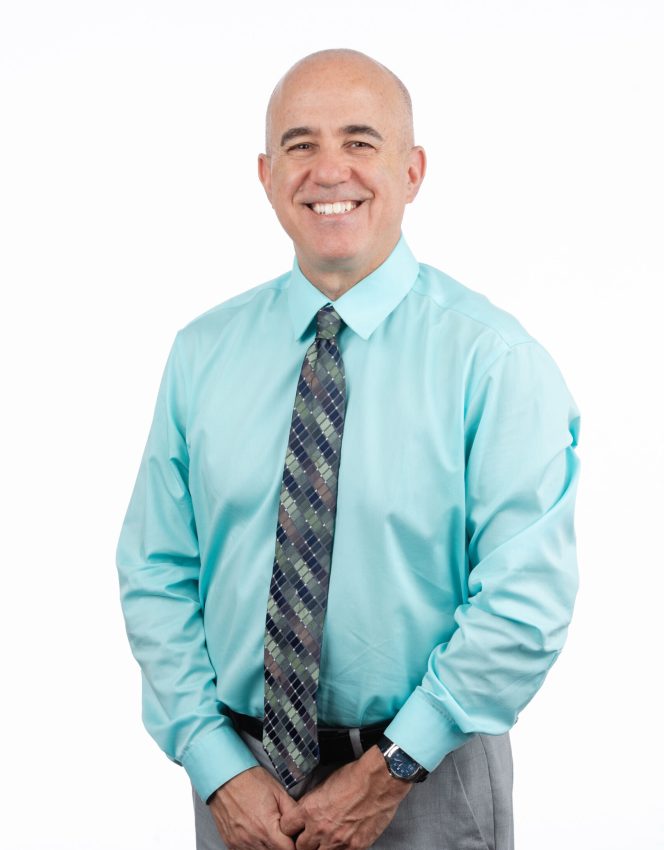
Forensic PsychologistDr. Matthew J. Jalazo is a licensed psychologist who has practiced forensic psychology on a full-time basis for the last fifteen years.
Read MoreDr. Christopher J. Beltran
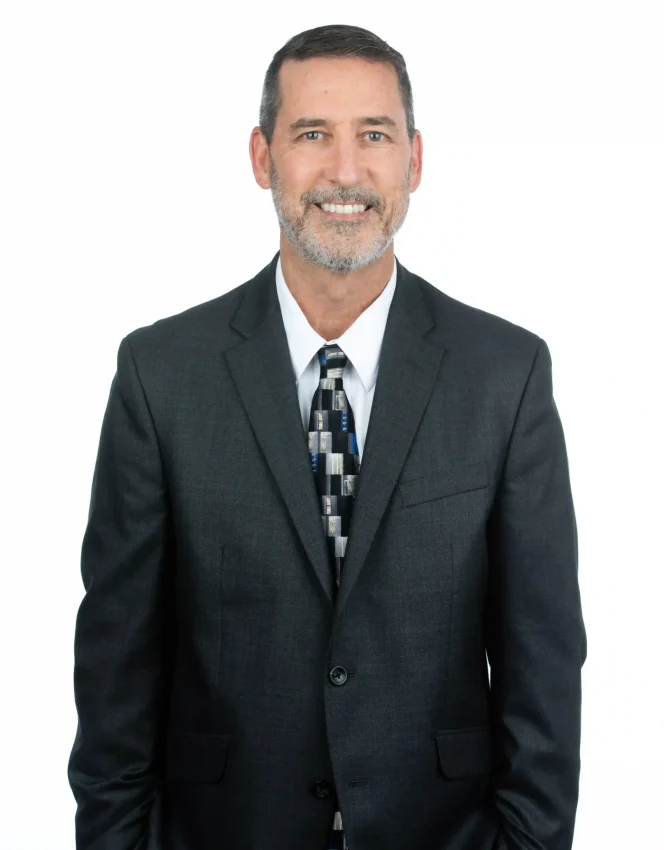
Forensic PsychologistDr. Beltran is a Licensed Forensic Psychologist with over twenty-five years of experience in criminal and family law
Read MoreWhere a Palm Springs Case Is Heard, and Where We Work
Palm Springs falls under the 15th Judicial Circuit, which covers all of Palm Beach County. For a Palm Springs matter, the case is typically heard at the main West Palm Beach courthouse or the nearby Royal Palm Beach branch. Confirm the exact venue and any judge-specific requirements with your attorney.
We do not keep an office in Palm Springs, and no forensic practice does. Our two offices are in Jupiter, about 25 to 30 minutes north, and in Fort Lauderdale. Evaluations are conducted at our offices, at correctional or court facilities where a matter requires it, and remotely where the law and the court permit. Our psychologists are court-qualified across Florida’s 1st, 15th, 17th, 19th, and 20th Judicial Circuits.
Frequently Asked Questions
Is there a forensic psychologist located in Palm Springs, FL?
No. No dedicated forensic practice sits inside the Village of Palm Springs. Palm Springs residents use Palm Beach County resources, the county Forensic Psychology Services Office for court-ordered work, or private psychologists based in Jupiter, West Palm Beach, and surrounding areas who serve the 15th Judicial Circuit.
How do I start if a court has not ordered anything yet?
Talk to your Florida-licensed attorney first. They can advise whether a retained expert makes sense, draft any motions needed, and connect you with a qualified provider. If you are pre-order, you are almost certainly in the private-expert route.
Will insurance cover a forensic evaluation?
Usually not. Forensic evaluations are performed for a legal purpose, not for treatment, and health insurance rarely covers them. When the county office handles a court-ordered evaluation, cost is set by the judge and taxed through the court instead.
County office or private expert, which do I need?
Run the Expert-Fit Test above. In short: court-ordered and court-neutral usually points to the county office; an independent opinion you control, a second opinion, or a subspecialty need points to a retained private expert.
What makes a report survive a Daubert challenge?
A documented methodology, validated and peer-reviewed instruments, and an evaluator who can speak to error rates and has a testimony record. Florida judges act as gatekeepers under Florida Statute 90.702, so the method has to be reliable and reliably applied.