“Hiring Licensed Psychologists – Contact Us Today”

FC PsychExperts answers the specific psycho-legal question a case turns on, competency, sanity, risk, parental fitness, mitigation, or capacity, using validated instruments, validity testing, and reports built to hold up under cross-examination.

Why Attorneys Retain Us

  • Expert testimony across five Florida judicial circuits, including the 17th in Broward.
  • Forensic neuropsychology in-house for brain injury and capacity questions.
  • Validity testing and collateral verification on every evaluation, not self-report alone.
  • Reports written to the Chapter 916 factors and 17th Circuit admissibility.
  • Retained by defense and by the state, the same method either side.

FC PsychExperts conducts forensic psychological evaluations for attorneys, courts, and families across Parkland and Broward County, inside Florida’s 17th Judicial Circuit.

The practice was founded by Dr. Cathy Colet, a Licensed Clinical and Forensic Psychologist who has testified for both defense and the state across five Florida circuits. The team includes Dr. Lauren Miller, a forensic neuropsychologist with adjunct faculty appointments at the University of Miami and Nova Southeastern University, so a single case can carry both a psychological and a neuropsychological opinion when cognition or brain injury is at issue.

Every evaluation follows APA ethical guidelines, uses validated instruments, and produces a report designed to meet admissibility standards in Broward courts. The work is built for the file, the deposition, and the witness stand from the first interview forward.

A Forensic Evaluation Is Not Therapy with a Legal Label

A treating therapist works with a patient. A forensic psychologist is retained to answer a question for the court, and is expected to reach the same conclusion no matter who pays.

Search results for forensic psychology near Parkland mostly surface general therapists who list legal or trauma work among many services. That is not the same discipline. A court-ready forensic evaluation starts from the legal question, not a treatment plan. The referral defines what the report must answer. The testing battery is chosen to answer that exact question. The opinion is tied to a legal standard, not a diagnosis.

The distinction is more than academic. Treatment notes can be subpoenaed, but they were never written for legal scrutiny. A forensic report is built for it.

This is also where experience under cross-examination matters. Dr. Colet has been challenged by attorneys on both sides of criminal, civil, and family cases. That exposure shapes how a report reads, because a report that cannot survive a hard deposition is not worth filing.

Florida sets clear thresholds for when a forensic evaluation is needed. Competency questions fall under Chapter 916. Custody disputes run on the best-interests-of-the-child standard. Personal injury claims require documented psychological harm. Each calls for a forensic method, not general clinical practice.

The Court-Ready Five

Before you retain anyone for a Broward case, run them through five checks. We built this list to vet evaluators, and we hold our own work to it.

1. Psycho-legal fit

The report answers the exact legal question, not a diagnosis. A competency report addresses the Chapter 916 factors. A custody report addresses best interests. If a report reads like a clinical summary, it will not carry the file.

2. Validity testing and collateral

Self-report alone is not evidence. Court-ready work uses validity scales and symptom-validity testing to detect exaggeration or minimization, and tests the account against independent collateral records before reaching a conclusion.

3. Testimony track record

Ask how many times the evaluator has testified, in which circuits, and for which side. Cross-examination experience changes how a report is written, because the author already knows where it will be attacked.

4. License and registry verification

Confirm an active Florida Board of Psychology license. For court-appointed competency work, confirm the evaluator sits on the DCF-maintained list of trained forensic evaluators that courts use under Chapter 916.

5. Admissible method

Validated instruments, a documented and reproducible method, and findings tied to data in the record. That is what lets an opinion survive an admissibility challenge in the 17th Circuit.

Evaluations for Defense and Prosecution Strategy

FC PsychExperts handles the criminal forensic questions Broward courts raise most: competency, sanity, risk, mitigation, and Miranda waiver.

Competency and criminal responsibility

A competency to proceed evaluation asks whether a defendant understands the charges and proceedings and can assist counsel. We assess cognition, psychiatric symptoms, and rational and factual understanding against the Chapter 916 factors. Criminal responsibility, or sanity at the time of the offense, is a different question. It reconstructs mental state at a specific moment from interviews, collateral records, and diagnostic criteria.

Risk, mitigation, and Miranda

Violence risk assessments inform bail, sentencing, and release planning. Psychosexual and sexual-risk evaluations use the actuarial and structured professional judgment tools Florida courts accept. Mitigation evaluations identify trauma history, cognitive limitation, and developmental circumstances that may support a downward departure, in both capital and non-capital cases.

Miranda waiver evaluations ask whether a defendant had the capacity to understand their rights at the time of waiver, which can decide a suppression hearing. Each of these is built on validated testing and documented method, so it reads the same on direct and on cross.

Custody and Parental Fitness, Centered on the Child

In a contested custody case, the evaluator works for the child, not for either parent.

Parkland is a family-heavy, high-asset community, and contested custody here often involves relocation, complex finances, and allegations that have to be assessed rather than assumed. A custody evaluation is not therapy. It evaluates every party, observes parent-child interaction, reviews collateral records, and reaches a recommendation grounded in the best-interests standard. The evaluation is structured around what the court must decide, not what either side wants to prove.

Parental capacity assessments focus on each parent’s psychological functioning, parenting skill, and ability to meet a child’s developmental needs. They carry the most weight when abuse, neglect, substance use, or mental illness is part of the case. FC PsychExperts conducts these assessments with the same objectivity applied to criminal work, so findings reflect data in the record rather than the heat of a custody fight. The practice has provided family evaluations and social investigations for private attorneys, child welfare agencies, and courts.

Family and Juvenile Evaluations Grounded in the Best-Interests Standard

Here is what a forensic evaluation from this practice actually involves, start to finish.

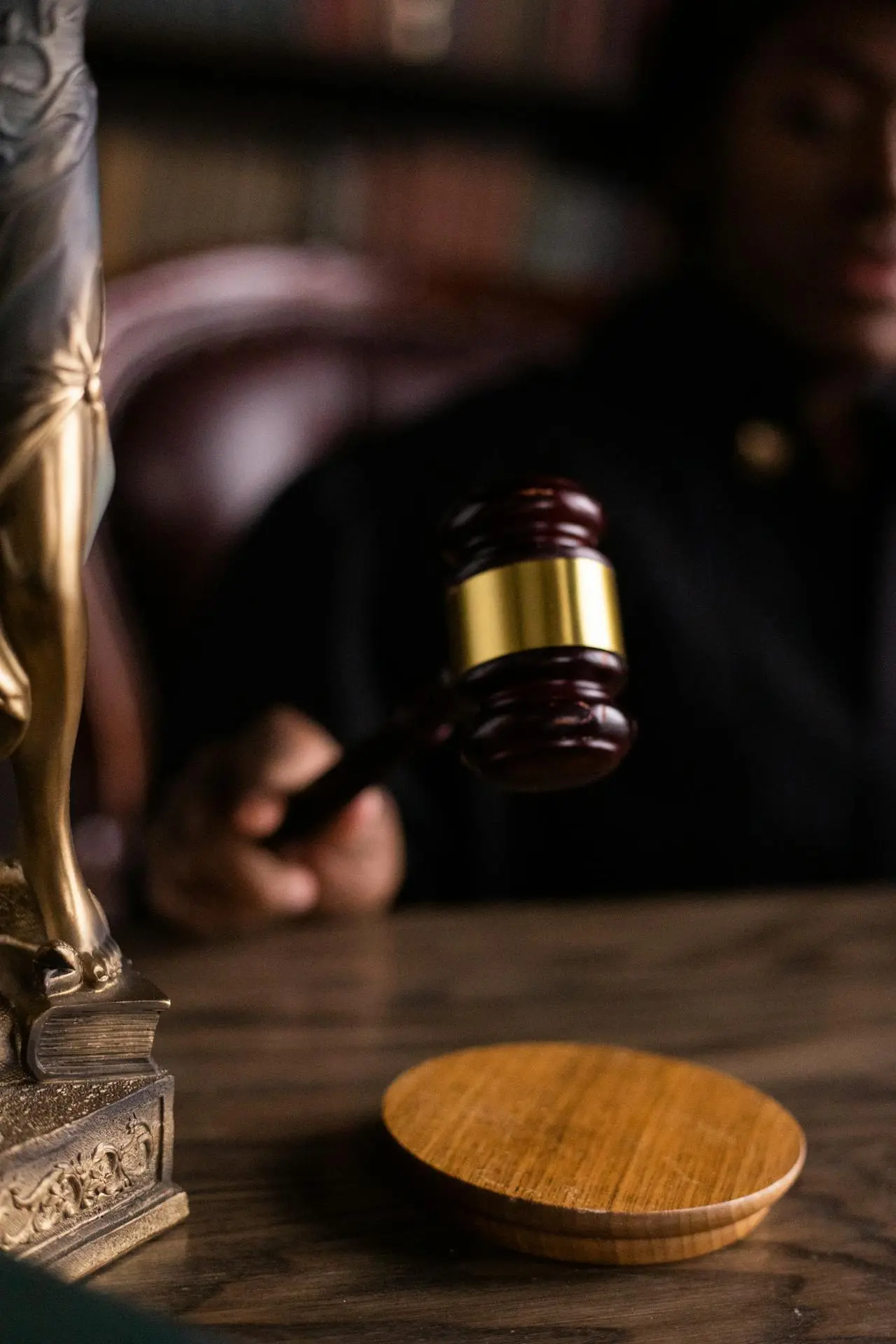
Lady justice holding a weighing scale
  1. Referral and the precise question. The retaining attorney or court defines the exact psycho-legal question. Everything downstream is built to answer it.
  2. Records review. Court filings, prior treatment, medical, school or employment, and police or collateral records are read before the first interview.
  3. Clinical interview. A structured interview, often across more than one session for complex matters, conducted in person or by secure telehealth where Florida rules allow.
  4. Standardized testing. Cognitive, personality, risk, and validity measures are chosen to fit the question, including symptom-validity testing where self-report may be unreliable.
  5. Collateral verification. Independent contacts and records test the account against the file, so the opinion does not rest on a single source.
  6. The written report. The report states the method, the data, the limits, and an opinion tied to the legal standard. Every conclusion points to something in the record.
  7. Deposition and testimony. The author is available for deposition and live testimony in the 17th Circuit, prepared to defend the method under cross-examination.

Redacted, de-identified report samples are available to retaining attorneys on request, so you can see the structure before you commit.

The Forensic Psychologists Who Handle Your Brevard County

FC PsychExperts brings together forensic psychologists whose credentials extend beyond standard clinical licensure into courtroom-tested specialization. Dr. Cathy Colet and Dr. Lauren Miller each contribute distinct expertise, giving the practice the ability to handle cases requiring traditional forensic assessment, neuropsychological evaluation, or both.

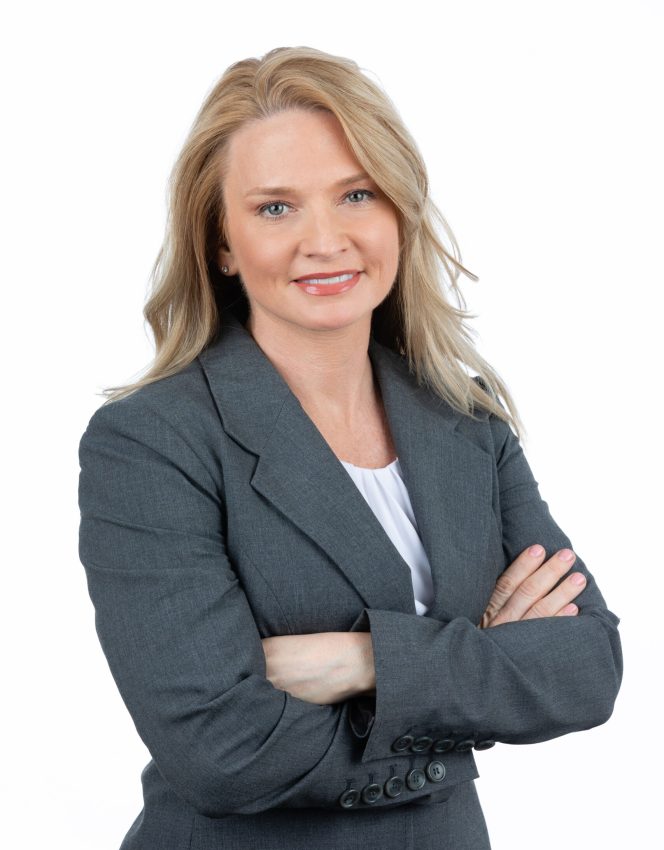
Dr. Cathy Colet is a Licensed Clinical and Forensic Psychologist and the founder of FC PsychExperts. She specializes in criminal, civil, family, and immigration law evaluations. Dr. Colet has firsthand experience working in Level 1 Trauma Centers with trauma patients and their families. She has provided expert witness testimony for both prosecution and defense across Florida’s 1st, 15th, 17th, 19th, and 20th judicial circuits. Her evaluations span competency, criminal responsibility, custody, personal injury, immigration hardship, and juvenile assessments. Dr. Colet approaches each evaluation with the same objectivity whether retained by the defense or the state, producing findings that reflect clinical data rather than advocacy.

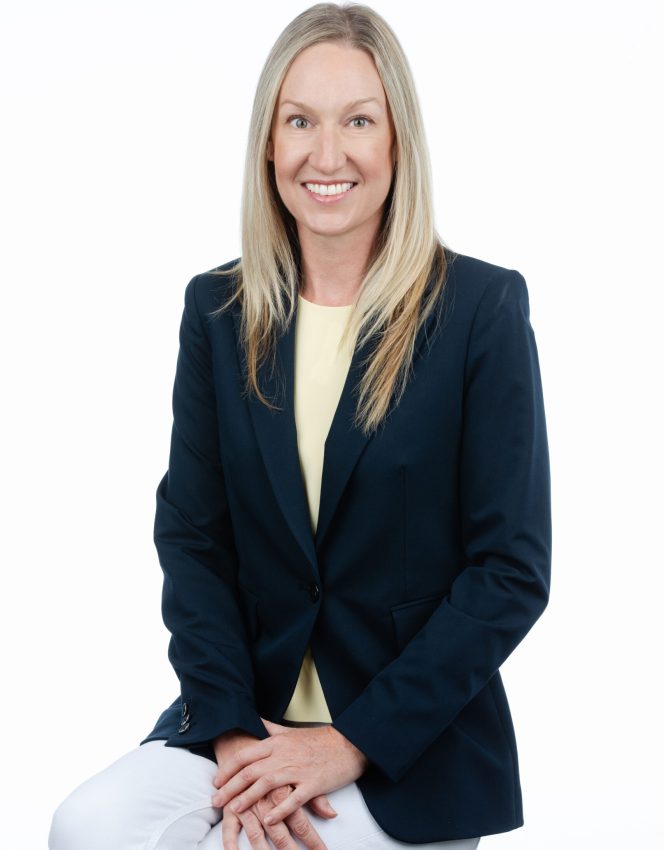
Dr. Lauren Miller is a Clinical and Forensic Neuropsychologist with nearly 20 years of experience. She holds adjunct faculty appointments at the University of Miami and Nova Southeastern University, where she trains the next generation of clinical and forensic practitioners. Dr. Miller provides neuropsychological, psychoeducational, and forensic evaluations. Her litigation consulting expertise includes analysis of opposing experts’ reports and development of deposition questions for attorneys. For Brevard County cases involving traumatic brain injury, cognitive impairment, or neurodevelopmental conditions, Dr. Miller’s combined clinical and forensic neuropsychological training adds a layer of diagnostic precision.

The team holds memberships in the American Psychological Association, the Association of Family and Conciliation Courts, the Association for the Treatment of Sexual Abusers, and the American Professional Society on the Abuse of Children. These affiliations represent active participation in forensic psychology’s professional standards, not passive credentials.

cathy colet
Dr. Cathy Colet
Forensic Psychologist

Dr. Cathy Colet is a Licensed Clinical and Forensic Psychologist and founder of Forensic and Clinical PsychExperts, LLC.

Read More
Dr. Lauren Miller
Dr. Lauren Miller
Clinical and Forensic Neuropsychologist

Dr. Miller has nearly 20 years of experience as a clinician, consultant, lecturer, and writer.

Read More
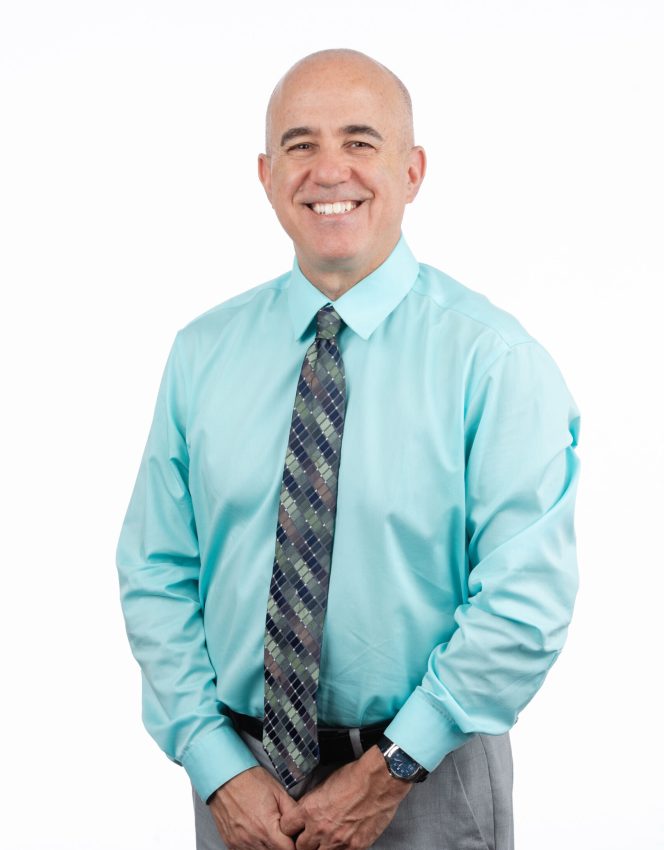
Dr. Matthew J. Jalazo
Forensic Psychologist

A licensed psychologist who has practiced forensic psychology full time for fifteen years, across criminal and civil evaluation work.

Read More
Dr. Christopher Beltran who is a Licensed Clinical and Forensic Psychologist
Dr. Christopher J. Beltran
Forensic Psychologist

A Licensed Forensic Psychologist with more than twenty-five years of experience in criminal and family law matters.

Read More

How Parkland Attorneys Retain FC Psychexperts

The path is short. A call, a confirmed scope, and an evaluation built to your court’s deadline.

It starts with a phone consultation. You describe the case, name the legal question the evaluation has to answer, and discuss the timeline. The practice then confirms the right evaluation type, estimates the scope, and schedules.

The Fort Lauderdale office sits inside Broward County and the 17th Circuit, so proximity to your courthouse is built in. Evaluations can take place at the office, at attorney offices, at facilities, or by secure telehealth where Florida regulations allow remote administration.

Record review, collateral interviews, and attorney consultations happen regardless of location. Reports are formatted for the 17th Circuit, and the author is available for deposition and live testimony. Attorneys who have used forensic specialists before will find the workflow familiar. Those who have not will find it simpler than expected.

For court-appointed competency work, ask about current status on the DCF forensic evaluator list, which is the right question to put to any evaluator after the 2025 changes to Chapter 916.

Forensic Psychology for Parkland and Broward County

FC PsychExperts serves Parkland and the wider 17th Judicial Circuit, with a Broward County office and courtroom experience in the circuit.

The practice supports attorneys, courts, and families across Parkland, Coral Springs, Coconut Creek, Margate, Tamarac, Deerfield Beach, Pompano Beach, Fort Lauderdale, Weston, and the rest of Broward County. The 17th Circuit is the second largest in Florida, serving close to two million residents, and forensic evaluation is the core focus here rather than a service listed beside a general therapy practice.

Finding a qualified forensic psychologist for a Parkland matter does not mean settling for a general clinician who lists legal work on the side. It means retaining a practice that answers the legal question, documents the method, and stands behind the report on the stand.

Frequently Asked Questions

What does a forensic psychologist do?

A forensic psychologist applies psychological science to a legal question. The work includes competency to proceed, criminal responsibility, violence and sexual risk, parental fitness, personal injury, capacity, and expert testimony. The difference from a treating clinician is the role: a therapist advocates for a patient, while a forensic psychologist is retained to answer a question for the court and reaches the same conclusion regardless of who pays. FC PsychExperts produces reports built to the relevant legal standard and to admissibility in the 17th Judicial Circuit.

How is a forensic evaluation different from therapy?

Therapy is treatment. A forensic evaluation is evidence. A therapist hears one account and works for the patient. A forensic evaluation is structured around the legal question from the first interview, uses validated instruments and validity testing, draws on independent records and collateral sources, and produces a report written for the file, the deposition, and cross-examination. Treatment notes can be subpoenaed, but they were never built for that scrutiny. A forensic report is.

How do I choose a court-ready forensic psychologist for a Parkland case?

Run any evaluator through the Court-Ready Five. Confirm the report answers the exact legal question, not a diagnosis. Confirm the method uses validity testing and collateral records, not self-report alone. Ask how many times the evaluator has testified, in which circuits, and for which side. Verify an active Florida Board of Psychology license, and for court-appointed competency work, confirm the evaluator is on the DCF-maintained list of trained forensic evaluators that courts use under Chapter 916. Confirm the method is documented and reproducible so the opinion survives an admissibility challenge.

Can a forensic psychologist whose office is not in Parkland handle my Broward case?

Yes. A Florida-licensed forensic psychologist can evaluate and testify anywhere in the state. FC PsychExperts keeps an office in Fort Lauderdale, inside Broward County and the 17th Judicial Circuit, and conducts evaluations at attorney offices, facilities, and by secure telehealth where Florida rules allow. What carries a case is the defensibility of the evaluation, not the distance to the courthouse.

What is in a forensic report, and how do you handle it when self-report is unreliable?

A forensic report states the referral question, the records reviewed, the interviews conducted, the instruments administered, the limits of the data, and an opinion tied to the legal standard. When self-report may be exaggerated or minimized, the method does not rely on it: validity scales and symptom-validity testing flag inconsistent responding, and independent collateral records test the account against the file before any conclusion is reached. Redacted, de-identified report samples are available to retaining attorneys on request.

How long does a forensic psychological evaluation take?

Timelines depend on the evaluation type and the volume of records. A focused competency evaluation moves faster than a parental capacity assessment involving several family members. Many Broward evaluations are completed within two to three weeks once records are received, with expedited handling for court deadlines. FC PsychExperts confirms scope and timeline at the first attorney consultation.

Do you work for both defense and prosecution?

Yes. FC PsychExperts is retained by defense and by the state in criminal matters, and by plaintiff and respondent in civil and family matters. The method does not change with the side that retains it. The opinion follows the data, which is what makes it useful in a contested hearing.