
“Hiring Licensed Psychologists – Contact Us Today”
Forensic psychological evaluation session in progress

How A Forensic Psychological Evaluation Can Help You

A forensic psychological evaluation is a comprehensive assessment conducted by qualified psychologists to provide courts with objective mental health insights for legal decision-making. Unlike traditional therapy, these evaluations serve legal systems as the primary client, using standardized testing and evidence-based methods to address specific legal questions.

Key purposes include:

  • Determining competency to stand trial
  • Assessing criminal responsibility and insanity pleas
  • Evaluating violence risk and sexual dangerousness
  • Supporting civil litigation and personal injury cases
  • Analyzing juvenile transfer decisions and treatment needs

Who needs forensic psychological evaluations: Courts may order these assessments for individuals with trauma histories, brain injuries, learning disabilities, memory impairments, or mental health conditions that could impact their legal understanding or decision-making capacity.

Types of evaluations available:

  • Criminal assessments: Competency evaluations, mental health diversion screenings, trauma assessments
  • Civil evaluations: Personal injury claims, neuropsychological assessments, testamentary capacity
  • Juvenile assessments: Delinquency evaluations, transfer decisions, treatment recommendations
  • Specialized assessments: ADHD, autism spectrum, and intellectual disability evaluations

Forensic psychological evaluations provide attorneys with court-admissible evidence that can significantly strengthen legal cases by objectively documenting how psychological factors influence legal proceedings and outcomes.

Professional conducting forensic psychological evaluation

Understanding Forensic Psychology

Forensic psychology combines clinical psychology practice with legal systems and court proceedings. This specialized field helps courts examine mental health factors within legal frameworks. Forensic psychologists provide expert testimony and evaluations to support judicial decision-making processes according to American Psychological Association standards. Their work relies on evidence-based research, standardized assessment tools, and objective psychological testing methods.

This field differs significantly from traditional therapy services in several important ways. In standard clinical settings, the person being evaluated is typically the primary client. However, forensic psychology evaluations serve courts, attorneys, or legal agencies as the primary clients. Forensic psychologists must maintain strict objectivity while providing expert mental health knowledge to legal professionals, as recognized by the Florida Courts. Their expertise helps legal systems better understand human behavior and psychological factors in various cases.

Defining Forensic Psychological Evaluations

Forensic psychological evaluations involve comprehensive assessment processes conducted by qualified forensic psychologists. These evaluations include detailed clinical interviews with the subject being assessed. Professionals review extensive records, relevant case law, and collateral information from multiple sources. Standardized psychological tests provide objective data to support evaluation conclusions and recommendations.

Courts utilize these evaluations to address various legal questions and concerns effectively. Common evaluation purposes include assessing competency to stand trial and criminal responsibility determinations. Other applications involve juvenile transfer decisions, insanity pleas, and violence risk assessments as outlined by the Florida Psychology Board. Sexual dangerousness evaluations also fall within this specialized practice area of forensic psychology.

Both adult and juvenile populations may require forensic evaluations for numerous legal reasons. Attorneys may request these assessments, or courts may order them as mandatory requirements. These evaluations occur in criminal court cases, civil litigation, and correctional facility settings. Some assessments take place in private practice offices or specialized state hospital facilities.

Types of Forensic Psychology Evaluations

Forensic psychology evaluations are specialized assessments that provide psychological insights for legal proceedings. These evaluations help courts make informed decisions on issues like competency, risk assessment, and civil matters, differing from traditional therapy by meeting strict legal standards for courtroom use.

Youth-Related Assessments

Juvenile delinquency evaluations assess young offenders within the legal system framework. Competency evaluations determine if minors can understand court proceedings and assist their attorneys. Case resolution assessments help courts determine appropriate dispositions for juvenile offenders effectively. Attachment and bonding assessments explore suitable treatment or supervision options for young people.

Treatment recommendation assessments identify therapeutic interventions that address underlying psychological issues in juveniles. Trauma and adverse childhood experience evaluations examine how past experiences impact current behavior. Transfer evaluations assess whether juvenile cases should move to adult court systems according to the Supreme Court of Florida guidelines. These evaluations consider developmental factors and rehabilitation potential in young offenders carefully.

Adult Criminal Evaluations

Adult competency evaluations determine if defendants can participate meaningfully in their legal proceedings. Mental health diversion assessments identify candidates suitable for treatment-focused alternatives to traditional prosecution. These evaluations help courts balance public safety concerns with appropriate mental health interventions. Trauma assessments examine how past experiences influence current criminal behavior patterns.

Specialized Assessment Areas

Neuropsychological evaluations assess brain function and cognitive abilities in legal contexts effectively. Learning disability assessments, often referenced by organizations like the Learning Disabilities Association of America, identify educational challenges that may impact legal proceedings or outcomes. Psychoeducational testing examines attention and hyperactivity issues relevant to legal decision-making processes. Autism spectrum evaluations assess developmental conditions that influence behavior and legal understanding.

Intellectual disability evaluations determine cognitive functioning levels relevant to legal competency and responsibility as defined by the American Academy of Forensic Psychology. These assessments ensure fair treatment of individuals with developmental disabilities in legal systems. Each evaluation type requires specialized training and expertise in both psychology and legal principles.

Civil and Personal Injury Evaluations

Civil forensic evaluations address psychological damages in personal injury and malpractice cases. Personal or emotional injury evaluations examine brain injuries and their impact on cognitive and emotional functioning. Traumatic brain injury evaluations assess the extent and consequences of head trauma. Testamentary capacity evaluations determine if individuals possess the mental ability to create valid wills according to Cornell Law School standards.

These evaluations help courts understand the psychological impact of accidents, medical malpractice, or negligence. Forensic psychologists provide objective assessments of emotional distress, cognitive impairment, and functional limitations. Their findings assist legal professionals in determining appropriate compensation and treatment recommendations for injured parties.

Expert forensic evaluation assists legal defense

How Forensic Psychology Evaluations Support Legal Cases

Comprehensive forensic psychology evaluations provide crucial insights for legal decision-making processes. These specialized assessments help attorneys build stronger cases by examining psychological factors that may impact legal outcomes. Forensic psychology combines clinical expertise with legal knowledge to deliver objective, court-admissible findings supported by the National Academy of Neuropsychology.

A thorough forensic neuropsychological evaluation offers attorneys valuable evidence for client representation. These assessments examine cognitive functioning, mental health status, and psychological factors relevant to legal proceedings. Professional evaluators certified by the American Board of Professional Psychology use standardized testing methods to ensure reliable and valid results that courts can trust.

When Forensic Psychology Evaluations Are Essential

Several circumstances may require a professional forensic psychology assessment in legal matters. Understanding these situations helps attorneys determine when such evaluations would benefit their cases. Early identification of these factors can significantly impact case strategy and outcomes.

Trauma History Assessment

Cases involving sexual, physical, or emotional abuse histories often benefit from forensic evaluation. General neglect cases also require specialized clinical psychological evaluations to document long-term effects. These evaluations help establish connections between past trauma and current functioning levels.

Learning and Cognitive Challenges

Individuals with documented learning difficulties may need a comprehensive cognitive assessment for legal proceedings. These evaluations determine how learning challenges affect decision-making capacity and understanding of legal consequences. Forensic psychology experts can clarify the impact of cognitive limitations on legal competency through specialized services.

Brain Injury Considerations

Traumatic brain injury cases require specialized neuropsychological evaluation to document cognitive changes. These assessments measure memory, attention, and executive functioning affected by brain trauma. Professional evaluators can establish clear connections between injuries and functional limitations as recognized by the Florida Psychological Association.

Memory and Attention Issues

Memory impairment cases need a detailed psychological assessment to determine the extent of cognitive difficulties. Attention and concentration problems can significantly impact legal competency and decision-making abilities. Forensic psychology evaluations provide objective measures of these cognitive functions.

Mental Health Factors

Current emotional distress and mental health history require professional psychological evaluation in legal contexts. These assessments help determine how mental health conditions affect legal understanding and decision-making capacity through approaches like cognitive behavioral therapy principles. Forensic psychology experts provide objective analysis of psychological factors influencing legal proceedings.

Forensic psychology evaluations serve as powerful tools for attorneys seeking comprehensive client representation. These specialized assessments provide courts with reliable, scientific evidence about psychological factors affecting legal cases. To learn more about us and our comprehensive evaluation services, or to schedule a consultation, please contact us today.

Conclusion

Forensic psychological evaluations serve as critical bridges between mental health expertise and legal decision-making, providing courts with objective, scientifically-based insights that can significantly impact case outcomes. These specialized assessments go beyond traditional therapy by focusing on specific legal questions while maintaining strict objectivity and using standardized testing methods. Whether addressing competency issues, assessing risk factors, or examining psychological damages in civil cases, forensic evaluations offer attorneys powerful tools for building stronger cases. By understanding when these evaluations are necessary, such as in cases involving trauma histories, cognitive impairments, or mental health factors, legal professionals can better serve their clients and support fair judicial proceedings. The expertise of qualified forensic psychologists ensures that psychological evidence meets rigorous legal standards while providing valuable insights into human behavior within legal contexts.

FAQs

How long does a forensic psychological evaluation typically take?

A comprehensive forensic psychological evaluation usually takes several weeks to complete. The process includes extensive interviews (often 4-8 hours), psychological testing (2-6 hours), record review, and report writing. The timeline depends on case complexity, availability of records, and scheduling constraints.

Who pays for a forensic psychological evaluation?

Payment responsibility varies by case type. Court-ordered evaluations are typically funded by the state or county. In civil cases, the requesting party usually pays. Some insurance plans may cover evaluations related to personal injury claims, but coverage varies significantly.

Can the results of a forensic evaluation be challenged in court?

Yes, forensic evaluation results can be challenged through cross-examination of the evaluator, presentation of contradicting evidence, or hiring competing experts. The admissibility and weight of the evaluation depend on the evaluator’s qualifications, methodology used, and adherence to professional standards.

What’s the difference between a forensic evaluation and a regular psychological assessment?

Forensic evaluations serve legal systems as the primary client, focus on specific legal questions, use court-admissible methods, and maintain strict objectivity. Regular psychological assessments prioritize the individual’s therapeutic needs, focus on treatment planning, and maintain a therapeutic relationship.

Are forensic psychological evaluations confidential?

No, forensic evaluations are not confidential in the traditional therapeutic sense. Results are typically shared with courts, attorneys, and relevant parties. Individuals should be informed at the beginning that the evaluation is not privileged communication and may be disclosed in legal proceedings.

Forensic psychology expert listening to a male client during therapy.

How Forensic Psychology Can Transform Mental Health

Forensic psychology is a specialized mental health field that combines psychological expertise with legal knowledge to help individuals manage complex behavioral issues, emotional challenges, and interpersonal problems, extending far beyond its traditional courtroom applications.

What forensic psychology addresses:

  • Behavioral pattern analysis and modification for impulsive or problematic behaviors
  • Mental health evaluations and comprehensive psychological assessments
  • Crisis intervention for individuals facing legal or personal challenges
  • Relationship building and interpersonal conflict resolution
  • Treatment for complex mental health conditions requiring specialized expertise

Who benefits from forensic psychology services: Individuals experiencing legal stress, people with treatment-resistant conditions, those struggling with anger or impulse control, anyone needing comprehensive therapy services beyond traditional therapy, and people working to rebuild relationships affected by behavioral issues.

Key treatment approaches include: cognitive behavioral therapy (CBT), mindfulness-based interventions, behavioral modification strategies, trauma-informed care, and multi-disciplinary team coordination. Treatment typically involves regular sessions with progress monitoring, lasting several months depending on individual needs.

Unlike traditional therapy, forensic psychologists are uniquely trained to handle high-stress situations, complex behavioral patterns, and cases where mental health intersects with legal or social complications, making them particularly effective for challenging cases that haven’t responded to conventional treatment. The American Psychology-Law Society recognizes these specialized professionals who bridge both fields effectively.

A man talking with a forensic psychology expert.

What Is Forensic Psychology

Forensic psychology connects psychology with legal systems in meaningful ways. This field focuses on understanding psychological factors that relate to legal matters and behavior patterns. It examines criminal motives and various behavioral issues that affect people daily. Beyond courtroom applications, this specialty provides valuable insights into forensic evaluations and mental health assessments. These insights prove especially helpful when addressing problematic behavior patterns in everyday life.

Building Mental Clarity and Better Emotional Health

Forensic psychologists help people understand their behavior patterns and psychological triggers more clearly. This understanding becomes essential for achieving mental clarity and emotional stability in daily life. When professionals work with clients at FC Psych Experts, they create safe spaces for exploration and healing. These therapeutic environments encourage honest self-reflection and promote genuine emotional growth over time.

Key benefits include:

  • Identifying harmful thought patterns that affect daily decision making and overall life satisfaction
  • Breaking negative cycles through evidence-based therapeutic techniques and personalized intervention strategies
  • Developing healthier coping mechanisms for stress, anxiety, and challenging life circumstances
  • Improving emotional regulation skills for better relationships and personal well-being outcomes
  • Creating sustainable mental health practices that support long-term psychological stability and growth

The collaborative process between therapist and client builds trust and mutual understanding effectively. Clients learn to recognize early warning signs of emotional distress before problems escalate. This proactive approach, endorsed by the American Psychological Association, prevents many mental health issues from becoming more serious concerns. Regular sessions provide ongoing support and accountability for maintaining positive changes. The result is improved mental clarity that enhances decision-making abilities in all life areas. People report feeling more confident and emotionally balanced after working with forensic psychology professionals consistently.

Managing Behavioral Issues Effectively

People struggling with impulsive behavior can benefit greatly from forensic psychology strategies and interventions. Experienced forensic psychologists create management techniques that address these specific behavioral challenges successfully. These professionals understand the complex relationship between thoughts, emotions, and actions in daily life. They use this knowledge to develop comprehensive treatment plans tailored to individual client needs through cognitive behavioral therapy and other evidence-based approaches. Each approach considers personal history, current circumstances, and future goals for sustainable behavioral change.

Important intervention methods include:

  • Cognitive behavioral therapy techniques that reshape negative thought patterns and promote healthier responses
  • Mindfulness practices that increase self-awareness and improve impulse control in challenging situations
  • Behavioral modification strategies that reward positive actions and discourage problematic behaviors effectively
  • Stress management tools that help clients cope with triggers and high-pressure circumstances
  • Communication skills training that improves interpersonal interactions and reduces conflict in relationships

Treatment typically involves regular sessions where clients practice new skills in supportive environments. Progress is monitored carefully to ensure interventions remain effective and relevant to changing needs. The American Board of Forensic Psychology sets standards for these specialized treatment approaches. Clients learn to identify situations that trigger impulsive responses before acting on them. This awareness creates opportunities to choose healthier responses that align with personal values. The result is enhanced emotional well-being and improved daily functioning for those seeking help. Many people experience significant improvements in their relationships, work performance, and overall life satisfaction.

Building Stronger Personal and Social Connections

Healthy interpersonal relationships serve as fundamental building blocks for good mental health and wellness. Forensic psychology provides effective tools for addressing interpersonal problems caused by past interactions. These issues often stem from childhood experiences, traumatic events, or learned behavioral patterns that may require specialized attachment and bonding assessments. Understanding these root causes helps people develop more effective strategies for building connections. Professional guidance makes it possible to overcome barriers that previously prevented meaningful relationships from forming.

Essential relationship-building skills include:

  • Active listening techniques that show genuine interest and respect for other people’s perspectives
  • Conflict resolution strategies that address disagreements constructively without damaging important relationships
  • Boundary setting skills that protect personal well-being while maintaining healthy connections with others
  • Empathy development that helps people understand and respond appropriately to others’ emotional needs
  • Trust-building behaviors that create safe spaces for vulnerability and authentic communication

Forensic psychology helps people recognize unhealthy relationship patterns they may unconsciously repeat over time. This awareness allows individuals to make conscious choices about how they interact with others. Family therapy sessions can address these patterns within the family system. Clients learn to communicate their needs clearly while respecting the boundaries of people around them. The therapeutic process addresses past trauma that may interfere with current relationship formation. This approach gives people the power to create meaningful and lasting connections with others. The benefits include reduced social anxiety and significantly improved social skills for better interactions, as supported by research from the National Alliance on Mental Illness.

Using Psychological Evaluations for Personal Development

Psychological evaluations in forensic psychology offer deep insights into how your mental processes actually work. These comprehensive evaluations, including neuropsychological evaluations, help identify specific mental health needs with greater precision and accuracy. Professional assessments examine cognitive abilities, emotional patterns, and behavioral tendencies that influence daily functioning. The evaluation process typically involves multiple sessions to gather complete information about individual circumstances. This thorough approach ensures that recommendations are based on accurate understanding of each person’s unique situation.

Evaluation components typically include:

  • Comprehensive interviews that explore personal history, current challenges, and future goals for growth
  • Standardized psychological tests that measure cognitive abilities, personality traits, and emotional functioning patterns
  • Behavioral observations that provide insights into how people interact in different social contexts
  • Medical history reviews that identify physical factors that may influence mental health outcomes
  • Collaboration with other healthcare providers to ensure coordinated and comprehensive care approaches

These detailed assessments create personalized growth plans that target individual areas for improvement effectively. Mental health professionals certified by the American Board of Professional Psychology use evaluation results to recommend specific therapeutic interventions and lifestyle changes. Clinical psychological evaluations provide comprehensive insights into mental health functioning. Clients receive clear explanations of their strengths and areas where focused development could be beneficial. This information empowers people to make informed decisions about their mental health care options. When people embrace these valuable services, they can take purposeful steps toward better mental health. This intentional approach leads to greater overall life satisfaction and personal fulfillment over time.

A forensic psychologist calmly reassures his client.

Who Can Benefit from Forensic Psychology Services

Forensic psychology serves a diverse range of individuals who need specialized mental health support. Many people assume these services only help criminals or people involved in legal cases. However, forensic psychology professionals work with anyone facing complex psychological challenges that require expert attention. This field offers unique insights and treatment approaches that traditional therapy settings may not provide. The specialized training of forensic psychologists, regulated by the Florida Board of Psychology, makes them particularly effective with difficult or unusual cases.

Understanding who can benefit from these services helps people make informed decisions about their care. Forensic psychology addresses situations where mental health intersects with legal, behavioral, or social complications effectively. These professionals have experience working with high-stress situations and complex human behaviors that others find challenging. They provide judgment-free environments where people can explore difficult topics without fear of criticism. Whether someone faces legal troubles, behavioral issues, or simply needs comprehensive care, our team of experts offers valuable solutions. The field continues to expand its reach as more people discover these specialized benefits.

Individuals Facing Legal or Personal Crises

People experiencing legal challenges often face overwhelming stress that affects their mental health significantly. Forensic psychology provides specialized support for individuals navigating court proceedings, custody battles, or criminal charges. These situations create unique psychological pressures that traditional therapy may not fully address effectively. Professional forensic psychologists understand both legal systems and mental health needs during these difficult times, often working with co-parenting counseling to help families navigate custody disputes. They offer targeted interventions that help people cope with uncertainty and maintain emotional stability.

Specific areas of support include:

  • Pre-trial anxiety management and stress reduction techniques for better courtroom performance
  • Custody evaluation preparation that helps parents present their best selves during proceedings
  • Victim impact counseling that addresses trauma while supporting legal participation and healing
  • Witness preparation services that reduce anxiety and improve testimony clarity and confidence
  • Post-legal resolution adjustment support that helps people transition back to normal life

Crisis situations often trigger existing mental health conditions or create new psychological challenges entirely. The Department of Justice recognizes the importance of mental health support in legal contexts. Forensic psychologists help clients separate legal concerns from personal emotional well-being during these periods. This professional guidance prevents temporary legal issues from becoming permanent mental health problems over time. Clients learn healthy coping strategies that serve them well beyond their immediate legal circumstances. The result is better mental health outcomes and more successful navigation of complex legal situations. Many people discover personal strengths they never knew they possessed through this challenging process.

People with Complex Behavioral Patterns

Individuals with complicated behavioral histories often struggle to find appropriate mental health support elsewhere. Forensic psychology specializes in understanding behaviors that may seem confusing or concerning to others. These professionals work with people who have multiple diagnoses, criminal histories, or unusual behavioral presentations. They provide non-judgmental support that focuses on understanding rather than criticism or shame-based approaches. Psychoeducational testing can help identify underlying learning or cognitive factors contributing to behavioral challenges. This specialized expertise makes forensic psychology particularly valuable for people with complex psychological profiles.

Common behavioral complexities addressed include:

  • Antisocial behaviors that interfere with work, relationships, and community participation in daily life
  • Substance abuse patterns combined with other mental health disorders that require integrated treatment
  • Self-destructive tendencies that put individuals at risk for harm or legal consequences
  • Aggressive or violent impulses that need careful management and therapeutic intervention strategies
  • Compulsive behaviors that disrupt normal functioning and create problems in multiple life areas

Treatment approaches recognize that complex behaviors often have multiple underlying causes that need attention. Forensic psychologists, following guidelines from the American Academy of Forensic Psychology, conduct thorough assessments to identify all contributing factors before developing intervention plans. This comprehensive approach prevents overlooking important elements that could sabotage treatment success over time. Clients receive individualized care that addresses their specific combination of challenges and strengths effectively. The therapeutic relationship builds slowly but creates lasting change that improves overall life functioning. Many people experience dramatic improvements in their ability to manage previously problematic behaviors successfully.

Those Seeking Comprehensive Mental Health Solutions

Some individuals require more intensive mental health support than traditional therapy settings can provide. Forensic psychology offers comprehensive services that address multiple aspects of psychological functioning simultaneously and effectively. These services prove especially valuable for people with treatment-resistant conditions or complex trauma histories, including those who may need personal or emotional injury evaluations. The field combines multiple therapeutic approaches to create personalized treatment plans that work better. This integrated approach often succeeds where other mental health interventions have failed previously.

Comprehensive service components include:

  • Multi-disciplinary team approaches that involve various specialists working together for optimal outcomes
  • Intensive outpatient programs that provide more support than weekly therapy sessions alone
  • Specialized trauma treatment that addresses both psychological and legal aspects of traumatic experiences
  • Family involvement services that help repair relationships damaged by mental health or behavioral issues
  • Long-term case management that coordinates care across different providers and life circumstances

People seeking comprehensive care often have complex needs that require coordinated professional attention over time. Reunification counseling helps families reconnect after periods of separation due to mental health or legal issues. Forensic psychology provides the structure and expertise necessary for managing these multifaceted treatment requirements effectively. Resources from Mental Health America complement these specialized services. Clients benefit from having one primary contact who understands their complete situation and coordinates care. This approach prevents important issues from falling through cracks between different treatment providers or services. The result is more effective treatment that produces lasting improvements in mental health and functioning. Many people achieve stability and wellness that seemed impossible through previous treatment attempts alone.

For individuals requiring specialized assessments for legal purposes, immigration evaluations provide crucial documentation and support during immigration proceedings. The APA Practice Guidelines ensure these evaluations meet professional standards.

Conclusion

Forensic psychology offers transformative mental health solutions that extend far beyond traditional courtroom applications. This specialized field provides comprehensive support for people facing complex behavioral challenges, legal stressors, and relationship difficulties. The unique combination of psychological expertise and legal knowledge creates powerful tools for personal growth and healing. Whether you need help managing impulsive behaviors, building stronger relationships, or navigating personal crises, forensic psychology delivers results.

Taking the first step toward better mental health requires courage and commitment to positive change. Forensic psychology professionals provide the specialized support and evidence-based interventions necessary for lasting transformation. Their comprehensive approach addresses multiple aspects of mental wellness simultaneously for maximum effectiveness. Don’t let complex challenges prevent you from achieving the mental clarity and emotional stability you deserve. Consider exploring how forensic psychology services can help you build a healthier, more fulfilling life. Contact us today to learn more about our comprehensive mental health solutions.

FAQs

What makes forensic psychology different from regular therapy? 

Forensic psychology combines mental health expertise with legal system knowledge for specialized treatment approaches. These professionals understand complex behavioral patterns and high-stress situations better than traditional therapists.

Can forensic psychology help people who aren’t involved in legal cases? 

Yes, forensic psychology serves anyone facing complex behavioral or emotional challenges in their daily lives. Many clients seek these services for relationship issues, anger management, or comprehensive mental health support.

How long does forensic psychology treatment typically take? 

Treatment duration varies based on individual needs and the complexity of presenting issues. Most people see significant improvements within several months of consistent therapeutic engagement and practice.

Is forensic psychology covered by health insurance plans? 

Coverage depends on your specific insurance plan and the type of services you receive. Contact your insurance provider to verify benefits and discuss payment options with potential providers.

What should I expect during my first forensic psychology appointment? 

Your initial session will involve comprehensive interviews about your history, current challenges, and treatment goals. The professional will explain their approach and work with you to develop a personalized treatment plan.

An attorney addressing the courtroom during a trial.

What Is Forensic Psychology? Its Impact On Our Legal System

Forensic psychology is the application of psychological science to legal matters and court proceedings. According to the American Board of Forensic Psychology, forensic psychologists serve as the critical bridge between mental health expertise and the legal system, helping courts understand complex human behavior in legal contexts.

Core Functions of Forensic Psychologists:

  • Competency evaluations – Determining if defendants can stand trial and understand court proceedings
  • Mental state assessments – Evaluating psychological conditions during alleged crimes
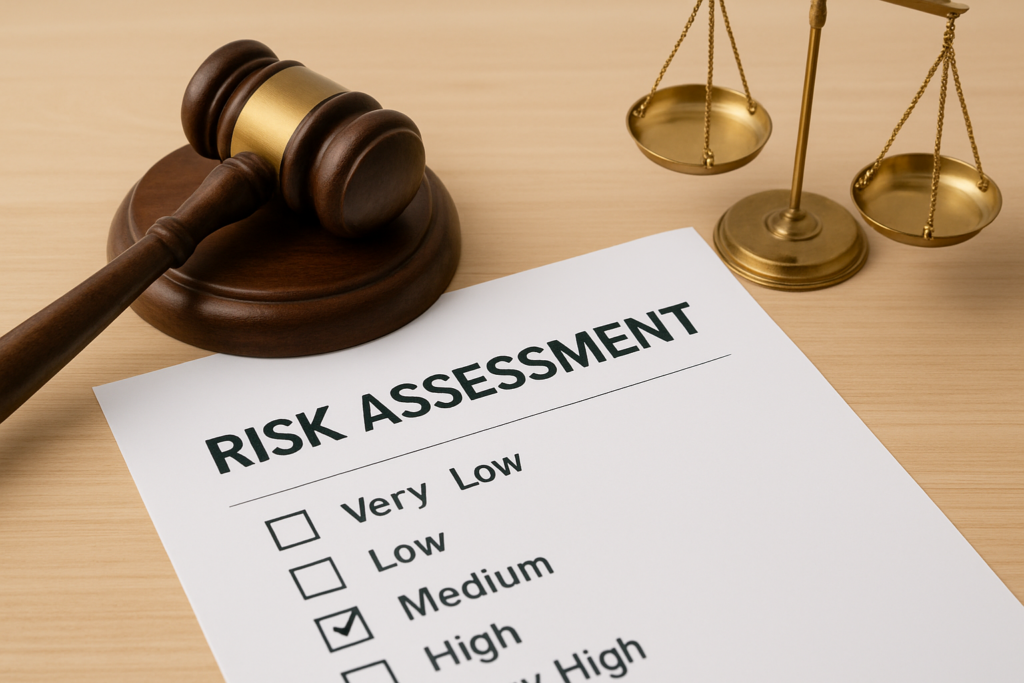
  • Risk assessments – Predicting likelihood of future criminal behavior for parole decisions
  • Expert testimony – Explaining psychological concepts to judges and juries
  • Child custody evaluations – Assessing family dynamics in divorce proceedings

Quick Facts:

  • Education required: Doctoral degree (Ph.D. or Psy.D.) plus specialized forensic training
  • Time to qualify: 7-10 years including undergraduate, graduate, and supervised experience
  • Work settings: Courts, correctional facilities, private practice, law enforcement agencies
  • Key difference from criminal psychology: Forensic psychologists focus on court proceedings while criminal psychologists study criminal behavior patterns

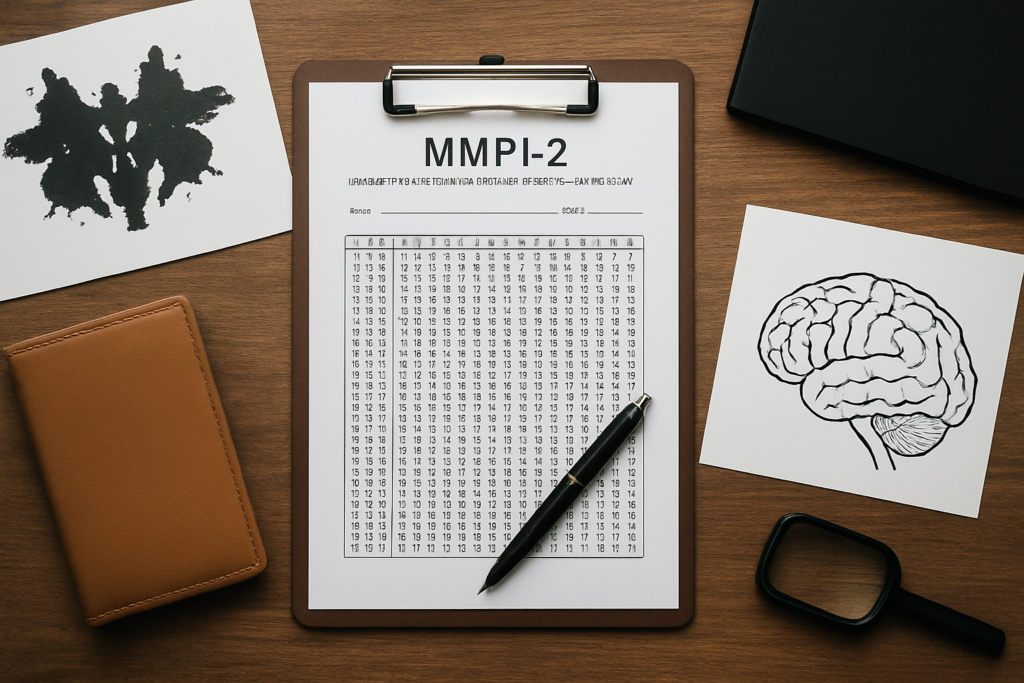
Forensic psychology professionals use standardized tools like the Minnesota Multiphasic Personality Inventory (MMPI) and risk assessment instruments such as the Static-99R to provide objective, evidence-based evaluations that directly impact legal decisions ranging from criminal sentencing to child custody arrangements. FC Psych Experts specializes in providing these comprehensive forensic evaluations to support legal proceedings.

A forensic psychology expert testifying in court during a trial.

How Forensic Psychology Works in Our Court System

Forensic psychology applies mental health knowledge and psychological research to legal matters. The American Board of Forensic Psychology defines this field clearly and professionally. They describe forensic psychology as applying psychology science to law and legal system questions. This specialized field helps our courts understand complex human behavior in legal situations. Mental health experts use proven psychological methods to assist with forensic evaluations required for legal decisions.

Criminal cases often require forensic psychology professionals to provide important background information. These experts help courts understand the mental state of people involved in legal cases. They may give expert testimony during court proceedings to explain psychological findings. For example, these professionals might determine if someone understood right from wrong during a crime. This type of analysis helps judges and juries make more informed legal decisions, as supported by guidelines from the American Psychology-Law Society.

Forensic psychologists also handle psychological evaluations for non-criminal legal matters. Child custody evaluations represent one important area where these experts contribute significantly. Their assessments can be crucial factors in determining custody arrangements during divorce proceedings. These evaluations help ensure that children’s best interests are properly considered in legal decisions through specialized attachment and bonding assessments.

Ways Forensic Psychology Helps Our Legal System

Forensic psychologists can offer counseling services to people who have experienced crimes. Their professional responsibilities include many different tasks that support our justice system. These mental health experts work in various settings to provide specialized psychological services, including therapy services for affected individuals.

Checking if defendants can stand trial

Forensic psychologists help courts evaluate accused individuals before legal proceedings. They determine whether defendants understand court processes and can work with their lawyers. These professionals also assess if defendants can follow the judge’s instructions during trials. This evaluation ensures fair legal proceedings for all parties involved. Courts depend on these assessments to make crucial decisions about case progression, following standards set by the American Board of Professional Psychology.

Examining mental state during crimes

These evaluations help courts understand defendants’ thinking during alleged criminal acts. Assessments can reveal whether someone experienced temporary mental health problems while offending. Forensic psychology experts determine if defendants lost contact with reality during crimes. When temporary insanity gets confirmed, judges might order treatment rather than prison time. This approach ensures justice properly considers important mental health factors through comprehensive clinical psychological evaluations.

Assessing future crime risks

Risk evaluations help predict whether convicted people might commit additional crimes later. Psychologists frequently provide these assessments when inmates seek parole or early release. These evaluations examine factors that could lead to repeat criminal behavior patterns. Parole boards use this crucial information to make safer community protection decisions. This process balances public safety with opportunities for offender rehabilitation and reintegration, as outlined by Department of Justice guidelines.

Providing expert court testimony

Forensic psychologists educate courts about complex psychological issues affecting legal cases. They explain difficult mental health concepts that significantly impact trial outcomes. These professionals discuss problems with forced confessions and unreliable eyewitness testimony. They help courts understand how psychological trauma affects human behavior and memory. This expert testimony helps judges and juries make better informed legal decisions, particularly in personal or emotional injury evaluations.

Helping with child custody decisions

Family court evaluations help create appropriate parenting arrangements during difficult custody disputes. Forensic psychology practitioners interview parents and children to gather comprehensive family information. They assess family relationships and determine arrangements that serve children’s best interests. These evaluations provide courts with objective psychological insights about complex family situations. This information helps ensure custody decisions prioritize children’s safety and wellbeing through specialized family therapy approaches.

Assisting with jury selection

Some forensic psychologists help lawyers identify potential bias issues in prospective jurors. They work with legal teams during the important jury selection process. These experts help identify hidden prejudices that could unfairly affect trial outcomes. This service ensures defendants receive fair trials from truly impartial jury panels. The psychological insights help create more balanced and just legal proceedings, following ethical guidelines from the American Psychological Association.

Providing prison mental health care

Correctional facility psychologists provide essential mental health services to incarcerated individuals. These professionals working in jails and prisons oversee comprehensive psychiatric treatment programs. They create individualized care plans addressing various mental health and substance abuse issues. These experts help inmates manage mental illness while serving their court sentences. This support significantly improves rehabilitation outcomes and reduces institutional behavioral problems.

Differences Between Forensic Psychology and Criminal Psychology

Many people believe forensic psychology and criminal psychology represent the same professional field. However, these two areas of study focus on completely different aspects of legal matters. Criminal psychology studies the thoughts and motivations of people who commit criminal acts. These professionals try to understand what drives individuals to break the law. A criminal psychologist might use profiling methods to identify behavioral patterns in criminals.

Forensic psychology practitioners focus their work more closely on supporting courtroom proceedings. They conduct mental health evaluations and provide testimony during legal trials. Forensic psychologists may also offer guidance for resolving legal disputes like custody battles through co-parenting counseling. Their work directly supports judges and lawyers in making important legal decisions. This field bridges the gap between psychology and the legal system effectively, as recognized by the American Academy of Forensic Psychology.

Tools That Forensic Psychology Professionals Use

Forensic psychology practitioners blend clinical psychology skills with legal system knowledge effectively. They use several different tools to complete their professional responsibilities accurately. These specialized tools help them gather reliable information for court proceedings. The combination of various assessment methods ensures comprehensive psychological evaluations for legal cases, including specialized neuropsychological evaluations.

  • Mental health evaluations – These detailed assessments provide important information about someone’s psychological condition. The evaluations help courts understand how mental health affects legal matters significantly. These assessments examine various aspects of psychological functioning and behavioral patterns. Mental health evaluations give judges crucial context for making fair legal decisions.
  • Standardized psychological tests – These tests add valuable information to support findings from clinical evaluations. Some widely used examples include the Minnesota Multiphasic Personality Inventory personality assessment. Another common test is the Wechsler Adult Intelligence Scale for measuring cognitive abilities. These standardized tools provide objective measurements that courts can rely on confidently, particularly in psychoeducational testing contexts.
  • Future behavior assessments – These evaluations help judges understand the chances that someone will commit crimes again. For example, the Static-99R assessment predicts reoffense likelihood for certain types of criminals. These tools examine risk factors that might lead to future criminal behavior. Risk assessments help courts make safer decisions about sentencing and parole considerations.
  • Background interviews – This interview type involves speaking with family members, friends, or colleagues of defendants. These conversations help confirm or question official statements made during legal proceedings. Background interviews provide additional perspective on someone’s character and typical behavior patterns. They give courts a more complete picture of the individuals involved in cases.

Forensic psychologists document their findings in detailed written reports for court use. These formal reports present psychological information in ways that legal professionals can understand, following standards for continuing education guidelines in forensic practice.

Challenges That Forensic Psychology Professionals Must Handle

Forensic psychology practitioners have a special role that combines medical knowledge with legal expertise. Collecting information for court proceedings creates several challenging ethical and professional situations. These challenges require careful attention and professional judgment to navigate successfully. The complex nature of legal work makes these situations particularly difficult to handle.

Maintaining objectivity becomes difficult when one legal side provides payment for services. Professionals must focus on presenting factual information rather than advocating for clients. They need to remain unbiased despite financial relationships with legal teams. This challenge requires strong professional ethics and clear boundaries between payment and testimony, as addressed by National Alliance on Mental Illness advocacy efforts.

Privacy protections decrease significantly because important information discovered during evaluations may reach judges. Warning signs or new evidence found during assessments can become part of court records. This reduced confidentiality differs greatly from traditional therapy or counseling relationships. Clients must understand that their statements may not remain private in legal contexts, which is why specialized reunification counseling requires careful ethical consideration.

Role conflicts arise when forensic psychologists try to serve multiple functions for clients. For example, someone providing therapy should not also conduct legal evaluations for clients. These dual relationships can compromise professional judgment and create ethical problems. Clear role boundaries help maintain professional integrity and avoid conflicts of interest.

Getting proper informed consent remains essential for forensic psychology practitioners working within legal systems. People undergoing psychological testing need complete information about evaluation purposes and procedures. They must also understand that their statements and test results may not stay confidential. This transparency helps ensure that people make informed decisions about participating in evaluations.

A person consulting with a forensic psychologist.

Education Requirements for Forensic Psychology Careers

Working in forensic psychology requires extensive specialized training and advanced academic preparation. Licensed professionals must also show excellent analytical thinking abilities for various tasks. These tasks include counseling crime victims and providing expert testimony in court proceedings. The demanding nature of this field requires comprehensive educational preparation and ongoing skill development, as regulated by the Florida Board of Psychology.

  • Educational Background – Most forensic psychology practitioners earn doctoral degrees in psychology from accredited university programs. They usually obtain either a Doctor of Philosophy degree or a Doctor of Psychology degree. These advanced programs provide the deep knowledge needed for this specialized field. Doctoral training includes both theoretical coursework and practical hands-on experience in clinical settings.
  • Professional Licensing – Individual states set specific licensing requirements for all clinical psychology professionals in their jurisdictions. Becoming a forensic psychologist requires meeting these licensing standards plus additional specialized training requirements. Many locations also require completing a certain number of supervised clinical practice hours. These requirements ensure that professionals have adequate experience before working independently with clients.
  • Specialized Certification – Forensic psychologists can pursue board certification through the American Board of Forensic Psychology. They may also seek certification from the American Board of Professional Psychology. Obtaining board certification shows that professionals understand human behavior and possess advanced psychological knowledge. This additional credential demonstrates expertise beyond basic licensing requirements and enhances professional credibility. Learn more about our team of board-certified forensic psychologists.

Where Forensic Psychology Professionals Work

Forensic psychology represents a specialized field with professionals working in many different professional environments. These various workplace settings offer forensic psychologists opportunities to apply their skills effectively. The diversity of work environments shows how valuable forensic psychology is to society. Each setting provides unique challenges and opportunities for professional growth and development.

  • Court systems and judicial facilities
  • Correctional institutions and detention centers
  • Private consulting practices and forensic evaluation firms
  • Law firms and legal organizations
  • Federal agencies like the FBI, DEA, and local police departments
  • University research laboratories and academic psychology departments

Changes Coming to Forensic Psychology

Forensic psychology continues evolving because of advancing technology, social science research, and legal precedents. This field adapts constantly to meet new challenges and opportunities in society. New developments continue emerging that will shape the future of this profession. These changes create exciting possibilities for forensic psychology professionals and the legal system.

  • Digital evidence analysis including online posts, cyberbullying proof, and internet activity records for court cases
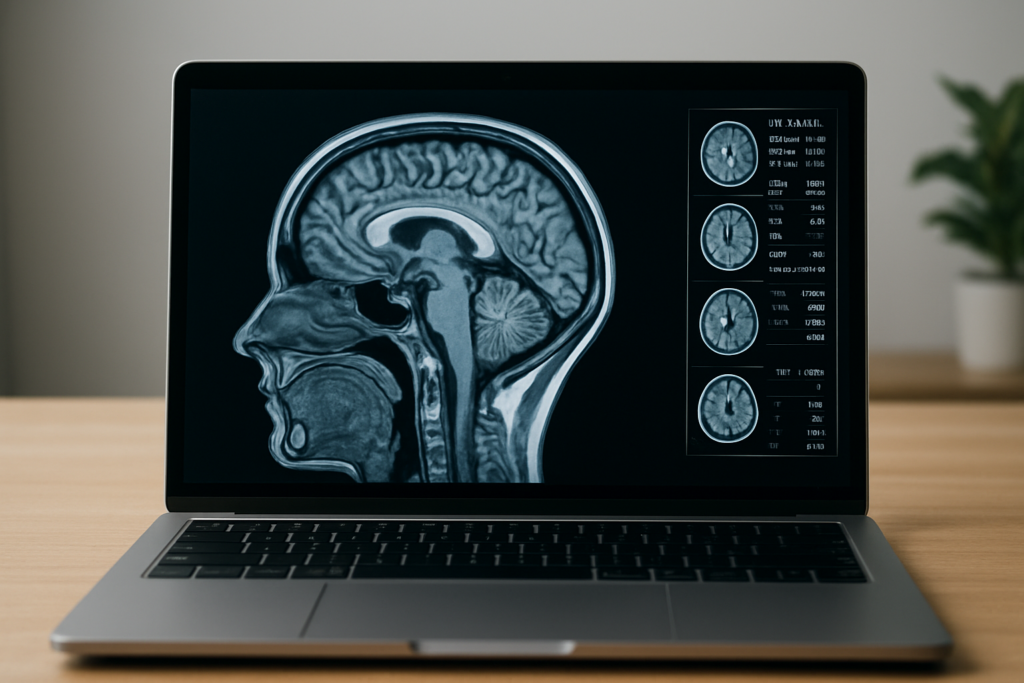
  • Brain imaging tests, neurological scans, and other medical examinations that lawyers use to support legal arguments
  • Trauma-informed approaches that explain how traumatic experiences can affect victim or defendant perspectives
  • Artificial intelligence programs that identify behavioral patterns, though ethical concerns about AI use remain debated

Technology’s Impact on Digital Evidence Analysis

Technology has transformed many professional fields, and forensic psychology is no exception to this trend. Advanced digital tools continue developing rapidly, requiring forensic psychologists to adapt to these changes. Forensic psychology professionals must stay current with these technological advances to remain effective. Their job responsibilities have already started expanding to include new technology-related duties and skills, including approaches like cognitive behavioral therapy adapted for digital contexts.

  • Evaluating cybercrime cases – Forensic psychology practitioners collaborate with investigators to understand cybercriminal thinking patterns. They use psychological knowledge and online disinhibition concepts to analyze digital criminal behavior. Online disinhibition describes how people often act more aggressively in digital environments. This understanding helps law enforcement agencies develop better investigation strategies and prevention programs.
  • Studying digital behavior patterns – Artificial intelligence tools help experts examine online conversations and social media posts. These tools can identify potentially threatening or concerning behavioral patterns in digital communications. When AI systems detect possible threats, forensic psychologists work with cybersecurity experts for deeper analysis. This collaboration helps identify real threats while avoiding false alarms in digital monitoring systems, as supported by Mental Health America resources.
  • Examining social media evidence – Courts now frequently consider tweets, Facebook posts, and internet search histories as evidence. Psychologists work to understand what online activities reveal about people’s mental states and relationships. They analyze digital behavior to determine its relevance to legal violations or character assessments. This analysis helps courts make more informed decisions about digital evidence in legal cases, particularly relevant in immigration evaluations involving social media activity.

Conclusion

Forensic psychology plays a vital role in modern legal systems by bridging mental health expertise with courtroom needs. These professionals help ensure fair trials through competency evaluations, risk assessments, and expert testimony about complex psychological issues. Their work extends from criminal cases to family disputes, making legal decisions more informed and just. As technology advances, forensic psychology continues adapting to include digital evidence analysis and cybercrime investigation.

The field demands extensive education, specialized training, and ongoing professional development to maintain high ethical standards. Whether working in courts, correctional facilities, or private practice, forensic psychologists face unique challenges requiring careful navigation. Their contributions significantly impact how our justice system understands human behavior and makes critical legal decisions. The future of forensic psychology promises continued growth and innovation in serving society’s legal and mental health needs. Contact us to learn more about how forensic psychology services can support your legal case.

FAQs

What does a forensic psychologist do on a daily basis? 

Forensic psychologists conduct mental health evaluations, write court reports, and provide expert testimony in legal cases. They also assess defendants’ competency to stand trial and evaluate risks for future criminal behavior.

How long does it take to become a forensic psychologist? 

The educational path typically requires 7-10 years including undergraduate studies, doctoral degree, and supervised clinical experience. Most states also require additional licensing requirements and specialized forensic psychology training before independent practice.

What’s the difference between forensic psychology and criminal psychology? 

Criminal psychology focuses on understanding why criminals commit crimes and their behavioral patterns through profiling techniques. Forensic psychology concentrates on supporting legal proceedings through evaluations, testimony, and court-related psychological services.

Do forensic psychologists work only with criminals? 

No, forensic psychologists work on various legal matters including child custody disputes, personal injury cases, and competency evaluations. They also provide therapy to crime victims and conduct jury selection assistance for legal teams.

Is everything I tell a forensic psychologist confidential? 

Unlike regular therapy, conversations with forensic psychologists have limited confidentiality protections in legal contexts. Information gathered during evaluations may be shared with courts, judges, and legal teams as part of proceedings.

Forensic vs clinical evaluations comparison

How Are Forensic Evaluations Different From Clinical Evaluations?

Forensic evaluations and clinical evaluations serve fundamentally different purposes in mental health assessment. Clinical evaluations focus on diagnosis and treatment planning for patient wellness, while forensic evaluations provide objective mental health information for legal proceedings and administrative decisions. Understanding these distinctions is crucial for both professionals and clients seeking services from forensic and clinical psychology experts.

Key Differences:

  • Referral Source: Clinical evaluations come from healthcare providers; forensic evaluations are court-ordered or requested by attorneys/agencies
  • Client Relationship: In clinical evaluations, the patient is the client; in forensic evaluations, the court or requesting agency is the client
  • Privacy: Clinical evaluations maintain strict confidentiality; forensic evaluations become public records with no privacy protection
  • Professional Role: Clinical psychologists advocate for patients; forensic psychologists remain neutral “friends of the court”
  • Purpose: Clinical evaluations guide treatment; forensic evaluations answer specific legal questions

Who Needs Which Type: Clinical psychological evaluations help individuals seeking mental health treatment, diagnosis, or therapy planning. Forensic evaluations are required for competency hearings, criminal responsibility determinations, custody decisions, employment screenings, and security clearances.

Referrals vary clinical forensic evaluations

How Referrals Differ Between Clinical and Forensic Evaluations

Clinical evaluations and forensic evaluations have distinct referral pathways. Each type serves different purposes and involves different decision makers recognized by professional organizations like the American Psychological Association.

For clinical evaluations, patients usually follow their healthcare provider’s guidance. Doctors and therapists recommend these assessments to help diagnose conditions. Patients agree to participate because they want to improve their health. Parents often seek clinical evaluations to understand their child’s developmental needs through services like psychoeducational testing. The primary goal focuses on treatment planning and wellness. These referrals come from trusted medical professionals who know the patient’s history.

Forensic evaluations follow a completely different referral process. Courts and government agencies typically order these assessments for legal proceedings, as recognized by the American Academy of Forensic Psychology. Defense attorneys may request forensic evaluations to support their client’s case. These evaluations help determine competency, criminal responsibility, or custody decisions. Employers sometimes require forensic evaluations before hiring for sensitive positions. Background checks and security clearances often include this assessment type. The referral source holds legal authority rather than medical expertise.

The key difference lies in who initiates the evaluation process. Clinical referrals prioritize the individual’s well-being and treatment needs through therapy services. Forensic referrals serve legal or administrative purposes beyond personal healthcare. Understanding these distinctions helps individuals prepare for their specific evaluation type.

Why Clinical and Forensic Evaluations Matter

Clinical psychologists and forensic psychologists require different specialized training and skills. Not all clinical psychologists can perform forensic evaluations without additional education certified by the American Board of Professional Psychology. Forensic psychologists need strong clinical foundations plus specialized legal knowledge. They must understand both psychology and the justice system thoroughly.

  • Clinical evaluations – They help doctors understand patient symptoms and diagnose conditions accurately. These assessments guide treatment planning and monitor patient progress over time. Doctors use specific tools to gather objective information about mental health status, including neuropsychological evaluations when cognitive functioning needs assessment.
  • Forensic evaluations – This serves a different purpose in legal settings. Forensic psychologists assess someone’s mental state at specific moments in time. This information helps courts make informed legal decisions about cases. The evaluation focuses on legal questions rather than treatment needs, following guidelines from the American Psychology-Law Society.

The assessment tools differ significantly between clinical and forensic evaluations. Clinical evaluations use instruments designed for diagnosis and treatment planning purposes, including specialized attachment and bonding assessments for family cases. Forensic evaluations require specialized tools that address specific legal standards. These instruments help answer questions relevant to court proceedings effectively. Each type of evaluation demands unique expertise and methodological approaches.

Both evaluation types gather objective information but serve distinct professional purposes. Understanding these differences helps ensure appropriate professional services for each situation. The right evaluation type depends on whether medical or legal needs drive the assessment process.

Determining client in forensic and clinical evaluations

Understanding Who the Client Is in Clinical and Forensic Evaluations

In clinical evaluations, the definition of the client is usually straightforward. For adult assessments, the individual undergoing the evaluation is the client. When the evaluation involves a child, the parent or legal guardian serves as the client. These clients hold the authority to make decisions about the evaluation process, receive the findings directly, and determine how the results are used or shared. The relationship is built on personal engagement, and confidentiality is maintained between the evaluator and the client unless the client chooses to share the information.

Clinical Evaluation Clients:

  • Adults undergoing assessment are their own clients
  • Parents or guardians act as clients for minors
  • Clients receive the evaluation results directly from the professional
  • Clients retain control over the evaluation process and decisions

Forensic evaluations define the client in a very different way. In these situations, the party requesting the evaluation is considered the client, not the individual being evaluated. This requesting party is often a court, attorney, or government agency, as established by the Florida Courts. The evaluated person is the subject of the assessment but does not hold client status. This difference significantly affects how information is shared, the level of confidentiality, and the overall purpose of the evaluation, particularly in cases involving personal or emotional injury evaluations.

Forensic Evaluation Clients:

  • Courts, attorneys, or government agencies are designated as clients
  • The person being evaluated is not considered the client
  • Reports are sent only to the referral source, not directly to the evaluated person
  • The requesting party determines how and to whom the information is distributed

The pathways for sharing information differ greatly between these two types of evaluations. In clinical contexts, clients have a personal review of the results with the evaluator, fostering a collaborative and confidential relationship often seen in family therapy settings. In forensic contexts, the results are sent exclusively to the institutional or legal client. The evaluated individual may not have immediate access to the findings and may only review them if granted permission by the requesting party.

Assessments ensure strict confidential rules

Understanding Privacy in Clinical and Forensic Evaluations

Clinical assessments protect patient privacy through strict confidentiality rules. However, forensic evaluations follow completely different privacy standards. Court-ordered forensic evaluations become public records without privacy protections. Many courts, including the Florida Supreme Court, publish forensic evaluation results on their official websites. When employers request forensic evaluations, results go directly to them. This sharing eliminates the confidentiality that clinical patients normally receive. Clients must understand these critical privacy differences before participating.

Clinical and forensic evaluations also differ in professional relationships. During clinical therapy, psychologists actively support and help their patients through approaches like cognitive behavioral therapy. They work as advocates focused on patient well-being and recovery. Forensic evaluations require psychologists to remain completely neutral and objective. They serve as “friends of the court” during forensic evaluations, a standard maintained by the American Board of Forensic Psychology. Their role involves providing accurate information for legal decisions only. This objectivity ensures fair forensic evaluation outcomes for all parties.

Mental health professionals need training in both evaluation types. Understanding clinical and forensic evaluation differences improves professional practice significantly, as regulated by the Florida Board of Psychology. CONCEPT Continuing and Professional Studies offers specialized mental health training. Palo Alto University provides flexible online and in-person program options. These courses cover essential topics for modern mental health practice, including specialized areas like immigration evaluations. Self-paced online learning accommodates busy professional schedules perfectly. Enhance your forensic evaluation expertise by registering for training today.

Conclusion

Understanding the differences between forensic and clinical evaluations is essential for anyone navigating mental health assessments. While both involve professional expertise and objective information gathering, their goals, referral processes, and client relationships diverge sharply. Clinical evaluations aim to diagnose conditions, guide treatment, and prioritize patient wellness. In contrast, forensic evaluations serve legal or administrative needs, often lacking the privacy protections of clinical settings.

Recognizing these distinctions helps individuals prepare for the process, understand who will access their information, and anticipate the evaluator’s role. Whether addressing medical or legal questions, choosing the right type of evaluation ensures that the results are relevant, accurate, and ethically obtained. Professionals trained in both areas bring clarity and precision to their work, ultimately supporting fair treatment, informed decision-making, and effective outcomes in healthcare and judicial contexts. For those navigating complex family situations, services like co-parenting counseling and reunification counseling can provide additional support alongside formal evaluations.

Organizations like the Florida Association of Professional Psychologists and the National Academy of Neuropsychology provide ongoing resources for professionals seeking to maintain the highest standards in both clinical and forensic practice. To learn more about us or to schedule an evaluation, please contact us today.

FAQs

What is the main difference between forensic and clinical evaluations?

Clinical evaluations help diagnose conditions and guide treatment, while forensic evaluations provide mental health information for legal or administrative decisions.

Who is considered the client in a forensic evaluation?

The client is the requesting party, such as a court, attorney, or agency—not the individual being assessed.

Are forensic evaluations confidential?

No. Results are sent to the requesting party and may become public records, unlike confidential clinical evaluations.

Do all psychologists perform both types of evaluations?

No. Forensic evaluations require extra training in legal standards and procedures beyond regular clinical practice.

When would someone need a forensic evaluation instead of a clinical one?

They’re needed for legal matters like competency hearings, custody disputes, or employment screenings for sensitive positions.

Forensic expert providing mental health evaluations

What Is The Role Of Forensic Psychologists In A Criminal Case?

Forensic psychologists are mental health professionals who evaluate defendants to help courts make informed legal decisions in criminal cases. Their primary roles include determining if a defendant is competent to stand trial, assessing whether mental illness affected criminal behavior, and providing expert testimony to judges and juries. These evaluations typically require 40-50 hours of work and involve conducting interviews, reviewing police reports and medical records, administering psychological tests, and creating detailed court reports. Expert forensic psychologists provide these critical services to ensure fair legal proceedings.

Key responsibilities of forensic psychologists in criminal cases include:

  • Competency evaluations – Determining if defendants understand charges and can work with attorneys through comprehensive forensic evaluations
  • Mental state assessments – Evaluating whether defendants could distinguish right from wrong during the crime
  • Risk assessments – Analyzing the likelihood of reoffending and public safety concerns
  • Treatment recommendations – Suggesting rehabilitation programs or mental health interventions
  • Expert testimony – Explaining complex psychological concepts in court

Forensic psychologists bridge the gap between psychology and law by applying scientific research and clinical expertise to legal questions. They work with courts, prosecutors, and defense attorneys to ensure fair proceedings while considering mental health factors that may have influenced criminal behavior. The American Psychology-Law Society provides guidelines for these professional practices.

Professionals conducting forensic mental assessments

Understanding a Forensic Psychologist

A forensic psychologist evaluates defendants to answer important legal questions. These professionals help courts make informed decisions about criminal cases. They receive referrals from courts, prosecutors, or defense attorneys. Their evaluations provide crucial insights into a defendant’s mental state through specialized neuropsychological evaluations.

Forensic psychologists use scientific research and psychological principles in legal settings. They apply their expertise to understand complex mental health issues. Their work bridges the gap between psychology and law. These evaluations help ensure fair legal proceedings for all parties. The American Board of Forensic Psychology certifies qualified professionals in this field. Examples of legal questions are:

  • Can the defendant understand the charges against them?
  • Does the defendant comprehend what happens in court?
  • Can the defendant work effectively with their attorney?
  • Does the defendant recognize different courtroom roles?
  • Did mental illness affect the defendant during the crime?
  • Could the defendant tell right from wrong?
  • Did the defendant understand their actions?

Forensic psychologists examine whether mental disorders influenced criminal behavior. They determine if defendants knew their actions were wrong. These assessments help courts understand a person’s mental capacity through clinical psychological evaluations. Their findings can significantly impact legal outcomes and sentencing decisions.

Conducting thorough project evaluations, assessments and conclusions

The Role and Impact of Forensic Psychologists in Criminal Court Cases

Forensic psychologists handle many important questions in criminal court cases. They create detailed reports for various legal situations. In mental health diversion cases, they must answer five key questions. First, does the defendant have a mental disorder? Second, did this disorder contribute to criminal behavior? Third, can treatment help reduce the symptoms that led to the crime? Fourth, will the defendant agree to follow treatment requirements? Fifth, is community treatment safe for the public? The American Academy of Forensic Psychology provides training on these complex assessments.

Forensic psychologists also help after guilty verdicts. Defense attorneys hire them to provide helpful information. This information might reduce the defendant’s sentence. Forensic psychologists carefully present facts to help judges make fair decisions, often incorporating findings from personal or emotional injury evaluations when relevant.

What Forensic Psychologists Do in Court

Forensic psychologists operate strictly within their area of expertise. Their main purpose in court is to assist judges and juries by providing expert insights into human behavior and mental processes that may influence legal outcomes. They are often called upon to bridge the gap between complex psychological science and the legal system, ensuring that decision-makers have a clear, evidence-based understanding of relevant psychological issues. The American Board of Professional Psychology maintains standards for this specialized practice.

  • Expert testimony: Serving as expert witnesses, explaining psychological principles in plain language.
  • Clarifying mental states: Describing how mental health conditions or external factors (like alcohol or drug use) can affect thinking, decision-making, and behavior.
  • Written reports: Preparing detailed assessments that summarize findings, conclusions, and recommendations.
  • Educating the court: Helping judges and juries understand how psychological factors might relate to a case, such as a defendant’s capacity to stand trial or the likelihood of reoffending.

By translating scientific findings into understandable concepts, forensic psychologists enable courts to make more informed and fair decisions. Their expertise extends beyond criminal cases to include immigration evaluations and other legal matters.

Experts interviewing case defendant

Why Forensic Psychologists Matter in Criminal Cases

Forensic psychologists serve as a vital bridge between mental health expertise and the legal process. Their specialized knowledge allows them to interpret complex psychological issues in ways that inform judges, attorneys, and juries. These professionals influence trial outcomes, sentencing decisions, and rehabilitation plans. In criminal cases, their insights can determine whether a defendant is competent to stand trial or eligible for alternative treatment programs. The American Psychological Association provides ethical guidelines for these high-stakes evaluations.

Their work demands meticulous preparation, advanced clinical skills, and a commitment to impartiality. Each assessment involves more than simply meeting with the defendant, it requires an in-depth review of evidence, thorough interviews, and the integration of multiple sources of data. Courts depend heavily on their evaluations to guide decisions that can alter the course of a person’s life. Specialized assessments like psychoeducational testing may also be incorporated when cognitive abilities are in question.

Thorough Case Analysis

Forensic psychologists spend 40 to 50 hours analyzing each case thoroughly. This time investment guarantees accurate and complete psychological evaluations. They examine every detail of a person’s background and mental condition carefully. These professionals review past experiences and current psychological status comprehensively. Their detailed work helps maintain fairness within the legal system. The Florida Association of Professional Psychologists supports these comprehensive evaluation standards.

Multiple Interview Sessions

These experts interview defendants and speak with their family members regularly. They also meet witnesses and other professionals, like doctors or social workers. Each conversation reveals important details about the person’s mental health. These discussions help build a complete understanding of someone’s psychological state. Multiple perspectives create a fuller picture of the individual’s circumstances. In some cases, attachment and bonding assessments provide additional insights into relationships and behavior patterns.

Complete Document Reviews

Forensic psychologists study police reports, detective notes, medical records, and jail documentation. They also review criminal histories to identify patterns of behavior or mental health concerns that may impact legal outcomes. This comprehensive approach often involves collaboration with therapy services to understand treatment history.

Reviewing All Important Documents

Forensic psychologists examine police reports and detective notes from investigations carefully. They study medical records and documents from correctional facilities thoroughly. Criminal history reviews help identify behavioral patterns over time. These professionals look for mental health issues that might affect legal decisions. Document analysis provides crucial context for understanding each case. The National Academy of Neuropsychology provides guidelines for interpreting neuropsychological records in forensic contexts.

Performing Psychological Tests

Standardized assessments measure thinking abilities and emotional stability in individuals. These tests evaluate personality traits using scientific methods and proven techniques. Test results provide objective data to support professional conclusions. Forensic psychologists use various testing tools to gather measurable information. This scientific approach strengthens the reliability of their findings. When family dynamics are involved, family therapy experience enhances understanding of interpersonal factors.

Combining All Information

Professionals analyze interviews, records, and test results as one complete package. This thorough method creates an accurate psychological profile of the person. They connect different pieces of information to understand mental health fully. Integration of multiple sources ensures balanced and fair evaluations. The comprehensive analysis reflects the individual’s true psychological condition. In custody-related cases, co-parenting counseling insights may inform assessments.

Writing Professional Reports

Forensic psychologists write clear reports that explain complex psychological concepts simply. These documents help judges and lawyers understand important mental health information. Reports use straightforward language that legal professionals can easily comprehend. Written findings become essential tools in making fair legal decisions. Quality reports bridge the gap between psychology and law effectively. The Florida court system relies on these reports for informed decision-making.

This structured and evidence-based process ensures that courts receive dependable psychological expertise. Beyond assessing competency, forensic psychologists can recommend treatment, therapy, or rehabilitation programs, helping the justice system address underlying mental health needs while promoting fair and ethical legal practices. Treatment recommendations may include cognitive behavioral therapy or reunification counseling when appropriate.

Conclusion

Forensic psychologists play a vital role in criminal cases by combining psychological expertise with legal processes to ensure fair and informed outcomes. They conduct thorough evaluations that include interviews, document reviews, and psychological testing in order to determine competency, as well as assess mental states. In addition, they recommend treatment or rehabilitation when appropriate. Furthermore, their impartial analyses help clarify whether mental illness or other psychological factors may have influenced criminal behavior. By preparing detailed reports and providing expert testimony, they translate complex psychological concepts into clear, understandable language for judges, attorneys, and juries. This guidance can significantly impact trial outcomes, sentencing decisions, and rehabilitation opportunities. Through methodical, evidence-based work, forensic psychologists act as a bridge between science and law. Their contributions help protect defendants’ rights, promote public safety, and ensure that mental health considerations are addressed within the justice system, leading to more balanced and ethical legal proceedings. The Florida Supreme Court recognizes its essential role in the justice system. Professionals licensed by the Florida Board of Psychology maintain the highest standards in this critical field. To learn more about our forensic psychology services or to contact us for an evaluation, reach out today.

FAQs

What is the main role of a forensic psychologist in a criminal case?

Their main role is to evaluate mental health factors that may affect a case. They use their expertise to help courts make informed legal decisions.

How do forensic psychologists determine competency to stand trial?

They assess whether a defendant understands the charges and the court process. Next, they evaluate whether the defendant can effectively work with their attorney. Ultimately, these assessments help determine the defendant’s ability to participate in their defense.

Do forensic psychologists provide treatment?

They typically do not provide direct treatment to defendants. However, judges can still recommend rehabilitation or mental health programs to the court.

What methods do forensic psychologists use in evaluations?

To begin with, they conduct interviews with defendants and related parties. Following this, they review records and also carry out psychological tests. Subsequently, they compile detailed reports, and in addition, they make certain that all findings are thoroughly documented.

Why is expert testimony from forensic psychologists important?

It helps judges and juries understand complex psychological issues. Clear explanations allow decision-makers to apply this knowledge fairly in a case.

Forensic psychology myths in fiction

10 Common Misconceptions About Forensic Psychology

Forensic psychology is the application of psychological expertise to legal matters, where professionals assess defendants’ mental states, determine competencies, and provide expert testimony in courts, not the dramatic criminal profiling often depicted in fiction. Understanding the true nature of this field is crucial, which is why forensic psychology experts work tirelessly to bridge the gap between public perception and professional reality.

Unlike popular portrayals, forensic psychologists don’t investigate crime scenes, interrogate suspects, or work as primary criminal profilers. Instead, they conduct structured mental health evaluations, assess risk using validated tools, and bridge the gap between psychology and law through evidence-based practices. Their work focuses on determining whether defendants understand their crimes, can participate in trials, and meet legal criteria for various mental health considerations.

This evidence-based profession requires dual expertise in clinical psychology and legal systems, with clear professional boundaries that separate their advisory role from active criminal investigation. Understanding these distinctions helps writers, media creators, and the public appreciate the vital yet specialized nature of forensic psychology in ensuring fair legal proceedings.

Debunking common forensic psychology myths

10 Myths About Forensic Psychology and the Truth

Forensic psychology applies psychological research to legal situations. These professionals typically work in courts or prisons. They assess defendants’ mental states and determine legal competencies. Their expertise bridges psychology and law in unique ways, often requiring specialized forensic evaluations that go beyond standard clinical practice.

Most forensic psychologists evaluate whether defendants understand their crimes. They also check if defendants can participate in trials. These assessments require specialized training and experience. Additionally, they might predict future violence risks or advise on false confessions. The American Psychology-Law Society provides essential guidance for these complex assessments.

1. They Work as Criminal Profilers

Many writers incorrectly show forensic psychologists as primary profilers. The FBI already provides behavioral analysis services to jurisdictions. Most detectives receive profiling training at the FBI Academy. Britain trains behavioral investigative advisors, but they mainly collect data.

Research psychologists occasionally consult on specific crime types. However, they rarely lead profiling efforts in real cases. Detectives handle most criminal behavioral analysis themselves. This misconception undermines the actual detective work involved. The American Board of Forensic Psychology clearly defines the scope of practice for certified professionals.

2. They Investigate at Crime Scenes

Fiction often shows forensic psychologists examining crime scenes directly. In reality, they review crime scene photos for reports. They don’t examine bodies or advise on arrests. Their work happens away from active investigation sites, typically in clinical settings where they conduct neuropsychological evaluations and other assessments.

Crime scene investigation remains the domain of detectives and technicians. Forensic psychologists focus on mental health evaluations instead. This separation maintains professional boundaries and expertise areas. Their clinical training doesn’t include crime scene processing.

3. They Create Individual Profiles

Writers sometimes show psychologists profiling specific known individuals. True profiling analyzes crime scenes and victim information. It identifies likely perpetrator characteristics, not specific people. The process involves behavioral reconstruction and pattern analysis.

Body language analysis differs completely from criminal profiling work. Profiles describe perpetrator types, not individual suspects already identified. The phrase “doesn’t fit the profile” misunderstands profiling’s purpose. Profiles emerge from crimes, not before them. The American Academy of Forensic Psychology provides continuing education on these important distinctions.

4. They Perform Courtroom Therapy

Fiction sometimes depicts dramatic courtroom hypnosis or therapy sessions. Real forensic psychologists explain complex psychological concepts to juries. They don’t approach or hypnotize defendants during trials. Professional ethics prevent revealing client session content without permission. Instead, they might provide therapy services in appropriate clinical settings outside the courtroom.

When treating clinicians testify, they’re not acting as experts. They might explain motivations or mental health conditions. Their role involves clarification, not therapeutic intervention. Courtroom therapy sessions simply don’t happen in reality. The American Board of Professional Psychology maintains strict ethical guidelines for forensic practice.

5. They Interrogate Criminal Suspects

Some stories show psychologists replacing detectives during interrogations. While psychologists might advise on interrogation techniques, they don’t conduct them. Detectives handle suspect questioning based on their training. Psychologists remain consultants, not primary interrogators.

This misconception overlooks the specialized interrogation training detectives receive. Forensic psychologists lack law enforcement authority for suspect questioning. Their expertise lies in assessment, not criminal investigation. The roles remain distinctly separate in practice. When needed, they conduct clinical psychological evaluations in controlled environments.

6. All Forensic Professionals Do Similar Work

Writers often confuse forensic psychologists with psychiatrists, criminologists, and criminalists. Psychiatrists hold medical degrees and prescribe medications. Psychologists cannot prescribe drugs and focus on behavioral assessment. Each profession requires different education and training paths. The American Psychological Association clearly delineates these professional boundaries.

Criminologists study crime patterns from sociological perspectives. They develop crime prevention strategies based on social factors. Criminalists analyze physical evidence from crime scenes. These distinct roles require specific expertise and training, including specialized psychoeducational testing for certain assessments.

7. Police Psychologists Lead Profiling Teams

Police departments employ clinical psychologists for officer support services. They conduct fitness evaluations and provide counseling services. These psychologists manage stress and critical incident debriefings. They don’t participate in criminal profiling activities.

Their role focuses on officer mental health and wellness. They might advise during hostage situations or provide training. However, detective teams handle criminal investigations and profiling. Police psychologists support officers, not investigations directly. The Florida Association of Psychology provides guidelines for these specialized roles.

8. They Always Detect Deception

Fiction often portrays psychologists as human lie detectors. Research shows psychologists can’t reliably spot liars without specialized training. Even deception researchers acknowledge significant limitations in detection abilities. Clinical training doesn’t automatically confer lie detection skills.

Detectives also overestimate their lie detection abilities despite training. Human deception remains complex and difficult to identify consistently. Technology and behavioral analysis provide limited assistance. No profession possesses foolproof deception detection abilities. This is particularly relevant in personal or emotional injury evaluations where credibility assessment is crucial.

9. They Declare Defendants Insane

Modern forensic psychologists don’t use “insane” as a diagnosis. Insanity represents a legal finding, not a medical condition. Psychologists describe mental states during alleged crimes. Judges or juries determine if conditions meet the insanity criteria. The National Association of Neuropsychology provides standards for these complex evaluations.

Each state maintains different legal insanity standards. Some states don’t recognize insanity defenses at all. Forensic psychologists provide information about mental conditions. The legal system makes ultimate determinations about criminal responsibility. In specialized cases, they may conduct immigration evaluations that require different legal standards.

10. They Predict Violence Without Assessment Tools

Fiction shows psychologists making instant violence predictions. Real risk assessments require standardized tools and comprehensive evaluations. These assessments examine multiple life areas systematically. Even specialists acknowledge prediction limitations and timeframe restrictions.

Long-range violence prediction remains highly uncertain despite assessment tools. Best practices demand structured approaches using validated instruments. Clinical judgment alone proves insufficient for reliable predictions. Violence risk assessment represents a complex, imperfect science requiring careful methodology. The Florida court system relies on these evidence-based assessments.

Forensic expert providing mental health evaluations

Understanding the Real Profession

Forensic psychology is a specialised field that combines clinical mental health expertise with a deep understanding of the legal system. Professionals in this area operate at the intersection of law and psychology, offering courts vital mental health assessments that can shape decisions on competency, criminal responsibility, and sentencing. Their insights help ensure fair and ethical proceedings, safeguarding the rights of both defendants and victims while supporting justice as a whole. The Florida Supreme Court recognizes the importance of qualified forensic psychological testimony.

Although often depicted in books, films, and television as fast-paced and dramatic, the real work of forensic psychologists is more structured, deliberate, and evidence-driven. Writers seeking to portray the field authentically should explore genuine forensic psychology practices, as doing so enhances credibility and honours the dedication of these experts. Many professionals also provide attachment and bonding assessments in family court matters.

The profession continues to evolve alongside research into human behaviour, mental health disorders, and their legal implications. Forensic psychologists perform tasks such as evaluating mental competency, assessing risk, and providing expert testimony. However, their scope is clearly defined, and they do not act as investigators or decision-makers. Services like family therapy and co-parenting counseling represent the diverse applications of forensic psychology expertise.

By understanding these boundaries, creators can offer realistic portrayals that inform rather than mislead. Accurate depictions not only engage audiences but also foster respect for the profession’s essential role in the justice system. The Florida Board of Psychology maintains standards ensuring professional integrity.

Key Points to Remember About Forensic Psychology:

  • Dual Expertise – Forensic psychologists combine mental health knowledge with legal system familiarity, making them uniquely qualified to assess psychological issues in legal contexts.
  • Primary Functions – They provide evaluations for competency, criminal responsibility, risk assessment, and psychological damage in both criminal and civil cases, sometimes including reunification counseling in family matters.
  • Role in Fairness – Their assessments can influence court decisions, ensuring justice is served with consideration for mental health factors.
  • Defined Boundaries – They do not act as investigators, detectives, or decision-makers; their role is advisory and evaluative.
  • Evidence-Based Work – Conclusions are drawn from established psychological tests, clinical interviews, and research-supported methods, including cognitive behavioral therapy techniques when appropriate.
  • Evolving Profession – Advances in psychology, neuroscience, and law continually shape their work and methods.
  • Accuracy in Writing – Authors should research the profession thoroughly to avoid exaggerations and misrepresentations. For more information about forensic psychology practice, contact us to learn from experienced professionals.
  • Ethical Responsibility – Misleading portrayals can distort public perception, while accurate depictions promote respect and understanding.

In short, forensic psychology is a vital yet specialised profession that plays a key role in the justice system. Capturing its essence requires both respect for the field’s boundaries and an appreciation of its impact on fair legal outcomes. To learn more about us and our approach to forensic psychological services, visit our comprehensive resource center.

Conclusion

Forensic psychology’s role in the justice system is far more precise, structured, and legally focused than crime fiction often suggests. These professionals do not act as detectives, profilers, or interrogators. Instead, they apply clinical expertise to legal contexts, providing courts with thorough, evidence-based evaluations that help determine competency, assess risk, and clarify psychological factors relevant to cases. By adhering to strict professional boundaries, forensic psychologists safeguard the integrity of both the psychological and legal processes. Misrepresenting their work can create public misconceptions and diminish appreciation for the profession’s complexity. Accurate portrayals not only enhance credibility in storytelling but also promote understanding of how forensic psychology truly supports justice. Recognizing the field’s limits and responsibilities ensures that its real contributions, grounded in science, ethics, and legal knowledge, are given the respect they deserve.

FAQs

Do forensic psychologists work as criminal profilers?

No. While they may sometimes offer input on behavioral traits, criminal profiling is usually the domain of law enforcement specialists.

Do they investigate crime scenes?

No. They work from evidence already collected, focusing on reports and photos rather than physical investigation at the scene.

Can forensic psychologists declare someone legally insane?

No. They assess a defendant’s mental state, but judges or juries decide if the legal criteria for insanity are met.

Are they trained to detect lies instantly?

No. Human deception is difficult to identify reliably, and psychologists are not infallible lie detectors.

Do they conduct interrogations?

No. Interrogations are handled by detectives, though psychologists may sometimes advise on effective questioning strategies.

Teenagers talking to a forensic psychologist.

How Can Forensic Psychologists Help With Mental Health?

Forensic psychologists provide mental health support beyond criminal justice, offering specialized therapy for trauma, emotional regulation, and complex psychological conditions. These professionals use evidence-based assessment techniques and court-tested methods to help everyday people with anxiety, depression, PTSD, personality disorders, and major life transitions.

Key services forensic psychologists offer for mental health include:

  • Comprehensive psychological evaluations for accurate diagnosis
  • Trauma-informed therapy using specialized recovery techniques
  • Documentation for insurance coverage and workplace accommodations
  • Crisis intervention and emotional regulation skills training
  • Prevention strategies for high-risk behaviors and burnout

Unlike traditional therapists, forensic psychologists bring unique expertise from working in high-pressure legal environments, making them particularly effective at helping clients who haven’t responded well to standard therapy. Their structured, evidence-based approach combines objective assessment tools with compassionate support, creating personalized treatment plans that address root causes rather than just symptoms.

Most insurance plans cover forensic psychology services when medically necessary, and no court order is required to seek their help for personal mental health needs.

Forensic psychologist taking down notes.

How Forensic Psychologists Help People With Mental Health Conditions

Forensic psychologists regularly work with clients who have serious mental health needs. They bring extensive experience working with various challenging conditions. Their knowledge helps them support people dealing with complex mental health situations effectively.

  • Forensic psychologists often help people with anxiety, depression, and trauma-related stress. Many of their clients experience these common mental health challenges daily. They develop special techniques that work well for managing these difficult conditions through comprehensive therapy services. Their methods help people understand and cope with symptoms that disrupt normal life.
  • Personality disorders and addiction issues are also areas where forensic psychologists excel. They frequently support individuals managing substance abuse or emotional instability problems. Their deep understanding helps tackle the root causes of addictive behaviors effectively. According to the American Psychological Association, specialized training in forensic methods enhances treatment outcomes for complex cases. They teach people better ways to handle emotions and build healthier relationships.
  • Growing awareness of neurodiversity has expanded their expertise to include autism and ADHD. Forensic psychologists adapt their strategies to support people with different brain types through neuropsychological evaluations. They help neurodiverse individuals manage stress and improve their social interactions. Their flexible approach works well for people who think and process differently.

Example of Skills in Action: Forensic psychologists can help someone with emotional instability understand their triggers better. They teach clients how to reduce harsh self-judgment and improve relationships. This approach often leads to better emotional control and stronger personal connections.

Understanding and Supporting Trauma Recovery

Forensic psychologists frequently work with people who have experienced difficult life events. They help trauma survivors process and overcome their past experiences effectively. Their work includes supporting both victims and others affected by traumatic situations through personal injury evaluations. They understand how trauma can completely change someone’s life and daily behavior patterns.

Safety and stabilization form the foundation of their trauma work with clients. Forensic psychologists provide education to help people understand their reactions through trauma perspectives. The National Institute of Mental Health recognizes trauma-informed care as essential for recovery. They build essential skills that help individuals manage crisis moments more effectively. Their approach gives people tools to handle difficult situations when they arise.

  • Trauma processing requires specialized techniques that forensic psychologists have mastered through their training. They recognize that trauma significantly impacts daily functioning in ways people don’t always notice. Their various trauma-informed methods help people safely work through difficult memories and experiences. This process helps individuals regain a sense of personal control over their lives.
  • Reducing harmful behaviors is another key area where forensic psychologists provide valuable support. They work with people struggling with self-harm, substance abuse, or other risky choices using cognitive behavioral therapy approaches. Their approach focuses on understanding and addressing the underlying causes of these behaviors. They help individuals recognize personal risk factors and develop much healthier coping strategies.

Example of Skills in Action: Someone experiencing stress after a car accident could benefit significantly from forensic psychology techniques. These methods help reduce flashbacks, manage daily anxiety, and improve overall life functioning.

Building a Safe Environment for Personal Growth

Forensic psychologists regularly work with people who have faced harsh judgment about their actions. They understand how important it is to create safe spaces where healing can happen. Their experience teaches them that people need acceptance before they can make positive changes. This approach helps clients feel secure enough to explore difficult topics without fear.

  • Building trust forms the foundation of their work with people in vulnerable situations. These experts prioritize creating confidential environments where clients can discuss emotions honestly. The American Academy of Forensic Psychology emphasizes the importance of therapeutic alliance in treatment success. They approach personal issues with genuine compassion and curiosity rather than judgment. Their methods help people feel safe enough to share their deepest concerns and struggles.
  • Forensic psychologists help clients develop self-compassion as a tool for moving forward positively. They assist people in reframing their understanding of past actions and decisions through clinical psychological evaluations. Their approach focuses on identifying underlying emotions while building foundations for lasting change. This process helps individuals develop healthier relationships with themselves and their past experiences.

Example of Skills in Action: Someone overwhelmed by guilt over past mistakes can find security in this supportive approach. They work through issues using structured methods that address underlying triggers effectively. This process helps rebuild a positive self-image and reduces fear about seeking help.

Developing Better Emotional Control Skills

People who struggle with life challenges often have difficulty managing their emotions effectively. Forensic psychologists specialize in helping individuals gain better control over their emotional responses. Their training focuses on teaching people how to handle high-pressure situations more successfully. This expertise proves valuable for anyone dealing with overwhelming feelings or stress.

  • Forensic psychologists help people identify what triggers their strongest emotional reactions in daily life. They explore why certain emotions arise and help develop practical coping strategies. According to Mental Health America, emotional regulation skills are fundamental to mental wellness. This skill proves essential for anyone struggling with mental health challenges or feeling overwhelmed. Their methods give people concrete tools to manage difficult emotions when they arise.
  • Working in challenging environments has equipped these professionals with tools for staying calm under pressure. They bring these resilience-building techniques to clients facing stress in work or home situations through specialized family therapy when needed. Their approach helps people develop mental strength to handle difficult circumstances more effectively. These skills prove valuable for managing both everyday stress and major life challenges.

Example of Skills in Action: Someone facing relationship problems or anger issues can benefit from forensic psychology techniques. These methods help create practical toolkits for approaching challenges with greater calmness and resilience.

Managing Life Changes and Feeling Unstuck

Forensic psychologists understand how major life transitions can create significant personal challenges. They help clients make sense of changes like career shifts, relationship changes, or relocations. Their background equips them to identify patterns that may be preventing progress. This expertise helps people unlock new paths forward when they feel stuck.

  • These experts help clients recognize how past experiences continue to shape their current actions. They suggest practical ways to break out of unhelpful behavioral patterns that limit growth. The American Board of Professional Psychology certifies specialists who excel in these complex assessments. Their approach focuses on understanding connections between past and present to create positive change. This insight helps people make more conscious choices about their future direction.
  • Forensic psychologists excel at identifying inner strengths that clients may not recognize in themselves. They empower people to make informed choices during major life transitions and changes through comprehensive forensic evaluations. Their methods encourage personal growth rather than feeling overwhelmed by circumstances. This supportive approach helps individuals navigate uncertainty with greater confidence and clarity.

Example of Skills in Action: Someone experiencing stress from a major career change can benefit from forensic psychology tools. These methods help regulate emotions, maintain focus, and approach new situations with a balanced perspective.

Preventing Problems Before They Start

One unique aspect of forensic psychology is its focus on preventing problems before they escalate. These professionals are not just reactive but trained to predict and prevent harmful behaviors. They use specialized techniques to spot warning signs early and intervene effectively. This proactive approach helps people avoid negative outcomes that could impact their lives significantly.

  • These experts are trained to recognize early signs of harmful behaviors in everyday situations. They help clients avoid negative outcomes by creating personalized prevention strategies that work. The National Alliance on Mental Illness supports early intervention as key to better outcomes. This forward-thinking mindset benefits people who may not recognize risky patterns in their lives. Their approach helps individuals make better choices before problems become more serious.
  • Forensic psychologists are skilled at supporting people in high-stress environments and preventing burnout. They are experts at managing stress, building resilience, and helping people navigate overwhelming situations through co-parenting counseling when family dynamics contribute to stress. Their techniques work well for stress related to work, family, or major life transitions. These skills help people maintain their mental health during challenging periods.

Example of Skills in Action: Someone experiencing high stress from demanding work can benefit from forensic psychology techniques. These methods help recognize early burnout signs, reduce emotional reactivity, and create sustainable paths forward.

A woman eagerly listening to her psychologist.

Benefits of Forensic Evaluation Beyond Legal Requirements

Forensic evaluations are often misunderstood as something only needed for court cases or legal situations. Many people don’t realize that these comprehensive assessments offer significant benefits for anyone seeking thorough mental health support. Unlike standard psychological evaluations that might focus on immediate symptoms, forensic evaluations provide an in-depth analysis of your complete psychological profile. They examine how different factors in your life interact to affect your mental health and daily functioning.

The structured, evidence-based approach of forensic evaluations creates valuable opportunities beyond legal requirements. These assessments can provide the detailed documentation needed for insurance coverage, workplace accommodations, or educational support services through psychoeducational testing. They also offer comprehensive treatment planning that addresses root causes rather than just surface symptoms. The American Board of Forensic Psychology maintains high standards for these comprehensive assessments. Whether you’re struggling with complex mental health challenges, need objective assessment for personal clarity, or require detailed documentation for institutional purposes, forensic evaluations provide thorough insights that standard assessments often miss. Understanding these broader applications can help you make informed decisions about your mental health care options.

Comprehensive Mental Health Picture and Diagnosis

Forensic evaluations provide incredibly thorough assessments that go far beyond typical mental health screenings. These comprehensive evaluations examine multiple layers of psychological functioning to create complete mental health pictures. The detailed process creates clarity about complex psychological situations that other assessments might miss.

Key components of comprehensive forensic evaluations include:

  • Detailed cognitive testing and intellectual functioning assessment
  • Personality assessments using validated psychological testing instruments
  • Trauma history analysis and its impact on current functioning
  • Behavioral pattern examination across different life environments
  • Environmental influences and their effect on psychological wellbeing
  • Family history analysis and genetic predisposition factors
  • Medical conditions review and their psychological impacts
  • Social factors assessment including relationships and support systems

Unlike standard clinical assessments that focus on specific symptoms, these evaluations investigate interactions. They examine how different mental health factors work together to affect daily life. This multi-dimensional approach often reveals underlying issues that shorter evaluations completely overlook, particularly important for immigration evaluations where comprehensive documentation is crucial.

The structured methodology ensures no important psychological aspect gets missed during assessment. These evaluations use validated tests and evidence-based tools to gather objective data effectively. The Florida Board of Psychology requires adherence to strict professional standards for these assessments. The result provides detailed psychological profiles with clarity about complex mental health situations.

Objective Assessment for Treatment Planning

The evidence-based nature of forensic evaluations creates more targeted and effective treatment recommendations. These assessments remove guesswork from treatment decisions using standardized protocols and objective measurement tools. Mental health professionals receive detailed information about which specific interventions work best for individuals.

Forensic evaluations provide crucial treatment planning information including:

  • Personal strengths and available resources for recovery
  • Therapeutic approaches that match individual learning styles effectively
  • Personality traits that influence treatment success rates
  • Life circumstances that affect treatment participation and outcomes
  • Motivation levels and readiness for different therapeutic interventions
  • Potential barriers to progress and strategies to overcome them
  • Realistic treatment goals based on individual capabilities and circumstances
  • Specific intervention strategies tailored to personal psychological profiles

These evaluations examine not just existing problems but also available personal resources. They identify which therapeutic approaches match someone’s personality traits and life circumstances best. This personalized approach leads to treatment plans that people can actually follow successfully.

The structured assessment process reveals important details about treatment readiness and potential obstacles. This information helps therapists design realistic goals and choose appropriate intervention strategies effectively. For families dealing with separation, attachment and bonding assessments provide crucial insights. The objective data also helps track progress more effectively throughout the entire treatment process.

These evaluations provide specific recommendations for different types of support needed in recovery. The detailed analysis helps coordinate care between multiple providers when comprehensive treatment becomes necessary.

Documentation for Insurance and Disability Claims

Forensic evaluations provide detailed documentation required for various institutional processes and benefit applications. Insurance companies often require comprehensive psychological evaluations before approving coverage for ongoing mental health treatment. The thorough methodology and professional credibility of these evaluations carry significant weight with institutions.

Essential documentation components for institutional approval include:

  • Specific diagnostic information using standardized clinical criteria
  • Functional impairment assessments showing real-world impact of conditions
  • Treatment necessity documentation explaining why specific interventions are required
  • Objective testing results supporting diagnostic conclusions and treatment recommendations
  • Evidence-based conclusions that justify coverage for specialized treatments
  • Functional assessment information for workplace accommodation requests
  • Cognitive and psychological testing results for educational accommodation needs
  • Professional credibility that carries weight with insurance and institutional reviewers

These detailed reports include diagnostic information and functional impairment assessments that insurance providers need. The objective testing results help justify coverage for specialized treatments or intensive therapy programs. The APA Practice Organization provides guidelines for proper documentation standards. This documentation can be crucial for accessing expensive but necessary mental health services effectively.

Workplace accommodation requests often require detailed psychological documentation to support necessary job changes. These evaluations provide specific functional assessment information that human resources departments need for decisions. This documentation helps ensure appropriate workplace protections and necessary support services for employees.

Educational institutions may require comprehensive evaluations for academic accommodations or specialized student services. The detailed testing results help schools understand what specific support students need to succeed. For families navigating custody changes, reunification counseling documentation can be essential.

Conclusion

Forensic psychologists offer unique mental health support that extends far beyond traditional courtroom settings. Their specialized training in complex human behavior assessment makes them valuable allies for anyone facing challenging life circumstances. Whether you’re dealing with trauma, emotional regulation issues, life transitions, or need comprehensive psychological evaluation, these professionals provide evidence-based solutions that address root causes rather than just symptoms. The American Psychology-Law Society continues to advance the field’s contributions to mental health care. Their ability to create safe, non-judgmental environments while delivering objective assessments sets them apart in the mental health field.

Taking advantage of forensic psychology services can transform your approach to mental wellness and personal growth. From comprehensive evaluations that reveal hidden psychological patterns to specialized documentation for insurance and workplace needs, these professionals offer practical solutions for real-world challenges. If you’re seeking thorough mental health support that combines clinical expertise with real-world application, consider learning more about our team and exploring how forensic psychology can benefit your specific situation. The investment in comprehensive psychological assessment and specialized treatment approaches can provide the clarity and tools needed for lasting positive change. To begin your journey toward better mental health, contact us today for a consultation.

FAQs

How is a forensic psychologist different from a regular therapist for mental health issues? 

Forensic psychologists have specialized training in complex behavioral assessment and high-pressure situations. They provide more comprehensive evaluations and can work effectively with resistant clients or complex cases.

Do I need a court order to see a forensic psychologist for mental health support? 

No court order is required to seek forensic psychology services for personal mental health needs. Many people choose these professionals for their thorough assessment skills and specialized expertise.

How long does a forensic mental health evaluation typically take to complete? 

Most comprehensive forensic evaluations take between 3 to 8 hours spread across multiple sessions. The exact time depends on the complexity of your situation and assessment goals.

Will my insurance cover forensic psychology services for mental health treatment? 

Many insurance plans cover forensic psychology services when medically necessary for mental health treatment. Check with your provider about coverage for psychological evaluations and ongoing therapy services.

Can forensic psychologists help with workplace stress and professional mental health issues? 

Yes, forensic psychologists excel at addressing workplace-related mental health challenges and stress management. They can also provide documentation for workplace accommodations and disability claims when needed.

Consulting with a forensic psychologist

When Might A Forensic Evaluation Be Necessary?

Forensic evaluations are specialized psychological assessments ordered by courts to answer specific legal questions about an individual’s mental state, competency, or psychological functioning.

These evaluations become necessary in three primary situations: (1) criminal cases requiring competency-to-stand-trial or mental state assessments, (2) civil litigation involving psychological damages from accidents or workplace injuries, and (3) immigration proceedings needing documentation of trauma or hardship. Conducted by licensed forensic psychologists using standardized tests and clinical interviews, these evaluations typically take 3 – 8 hours and produce detailed reports within weeks.

Courts rely on forensic evaluations to determine whether defendants can participate in their defense, assess psychological harm in personal injury cases, evaluate PTSD or trauma claims, and establish mental health factors affecting legal outcomes. Unlike regular therapy services, forensic evaluations are not confidential and focus solely on providing objective, evidence-based findings to assist legal decision-making according to the American Psychology-Law Society.

Forensic psychologist explaining the evaluation process.

What Are Forensic Evaluations?

A forensic evaluation is a psychological test done to answer legal questions. These tests use objective methods, interviews, and research-based analysis. Courts and legal teams get clear information about someone’s mental health condition. These evaluations help when psychological factors affect legal decisions significantly.

Forensic psychologists commonly use these assessments in various legal situations. They help determine if someone is competent for court proceedings. They assess psychological harm in civil cases too. Immigration cases also benefit from these professional immigration evaluations. The focus stays on being objective and using proven scientific methods.

Forensic psychologists conduct independent evaluations based on solid evidence only. This process ensures that legal professionals get unbiased and accurate information. The assessments provide valuable insights that stay neutral and follow established psychology rules by the American Board of Forensic Psychology. These evaluations help clarify psychological issues that are central to legal cases.

Determining Mental Competency in Criminal Courts

Criminal court cases use forensic evaluations to check mental competency levels. These tests determine if someone can participate in their own defense properly. The evaluations also find factors that might reduce punishment severity. They provide insight into psychological conditions that may have influenced criminal behavior. Mental competency evaluations focus on understanding a person’s current psychological state during legal proceedings. Courts require these assessments to ensure fair trials and appropriate legal representation. The evaluations examine whether defendants can understand charges against them and assist their attorneys effectively.

Forensic psychologists offer criminal assessments for competency and mitigation purposes. They also assess potential danger levels that individuals might pose. These professional neuropsychological evaluations help courts make better informed legal decisions. The assessments ensure that mental health factors receive proper consideration in criminal proceedings. Criminal forensic evaluations can influence sentencing decisions and treatment recommendations significantly according to American Academy of Forensic Psychology standards. These comprehensive assessments protect both defendants’ rights and public safety interests. Judges rely on these professional evaluations to make appropriate legal determinations in complex cases.

How Psychological Harm Gets Measured in Civil Disputes

Civil court cases often deal with disputes where emotional trauma affects legal outcomes. Forensic evaluations identify the type and severity of psychological conditions in these situations. These conditions include PTSD, anxiety, or depression from workplace accidents and personal injuries. The evaluations provide neutral findings to help legal systems handle complex psychological issues.

Workers’ compensation claims often need personal injury evaluations to measure psychological impact from injuries. These evaluations provide clear information about emotional damages and their legal significance. Forensic psychologists conduct independent analyses designed specifically for civil court cases. They ensure objectivity and scientific accuracy in all their professional assessments. These forensic evaluations offer important insights into psychological aspects that influence legal decisions as recognized by the Department of Justice.

Understanding Psychological Testing in Immigration Matters

Forensic evaluations serve important functions in immigration court proceedings. These assessments help provide evidence for asylum claims and hardship waiver applications. Immigration evaluations offer detailed analysis of mental health impacts from specific life circumstances. Survivor cases also benefit significantly from these comprehensive clinical psychological evaluations.

Bilingual forensic psychologists ensure accurate evaluations for people from diverse cultural backgrounds. These professionals provide culturally sensitive assessments that respect individual differences and experiences. The forensic evaluations offer objective findings that help inform various immigration legal processes. These evaluations ensure that psychological factors receive proper consideration in immigration decisions following American Board of Professional Psychology guidelines.

Why Being Unbiased Is Important in Forensic Psychology

Being objective forms the foundation of good forensic psychology practice. This ensures that evaluations stay unbiased and based on solid evidence only. Forensic psychologists conduct independent analyses without personal bias or outside influence affecting results. They identify the severity and nature of psychological issues relevant to each case.

This neutral approach is crucial in cases involving competency evaluations and psychological damages. Mitigation factor cases also require this same level of professional objectivity. Accurate findings become essential for making informed legal decisions in these situations. Evidence-based methods and standardized testing help ensure reliable insights for courts and attorneys. Learn more about us and our commitment to objective forensic evaluations.

Forensic psychologists use scientific approaches that do not favor any party involved. This commitment to objectivity ensures that every forensic evaluation meets the highest professional standards. The focus on accuracy and integrity provides clarity even in complex legal cases. These professional standards help maintain trust in the evaluation process according to the American Psychological Association.

How Psychological Testing Helps Legal Cases

Forensic evaluations answer important mental health questions in various legal situations. These assessments address competency to stand trial in criminal court proceedings. They also examine emotional trauma issues in personal injury lawsuit cases. Psychological conditions that affect immigration claims receive thorough professional evaluation too.

These comprehensive evaluations bring clarity to complex legal matters through impartial analysis. Evidence-based insights help legal professionals understand psychological factors that influence case outcomes. The assessments provide objective information that courts can rely on for decision-making. These professional forensic evaluations ensure that mental health factors receive proper legal consideration. For families dealing with separation, co-parenting counseling may be recommended alongside evaluations.

Evaluee participating in a forensic evaluation.

Preparing for Your Forensic Evaluation

Getting ready for a forensic evaluation helps ensure accurate results and smooth proceedings. Proper preparation reduces stress and allows the forensic psychologist to gather complete information. These steps help you understand what happens during the assessment process. Following preparation guidelines leads to more effective and thorough evaluations. Most people feel nervous before their first forensic evaluation appointment. Understanding the process beforehand can significantly reduce anxiety and help you feel more confident.

Forensic evaluations require careful planning and organization to achieve the best possible outcomes. The quality of your preparation directly impacts the accuracy of the final report. Bringing the right documents and understanding expectations helps forensic psychologists conduct comprehensive assessments. Good preparation also saves time during the evaluation process itself according to Florida Board of Psychology standards. Many legal cases depend on thorough and accurate forensic evaluation findings. Taking time to prepare properly shows respect for the legal process and demonstrates your commitment. Your active participation and honest responses contribute to reliable and defensible evaluation results.

Documents to Bring to Your Assessment

Medical records provide essential background information for your forensic evaluation. Proper documentation helps forensic psychologists understand your complete medical and psychological history. These records create a foundation for accurate assessment and reliable findings.

  • All hospital records and emergency room visits
  • Doctor visit summaries and treatment notes
  • Complete prescription medication lists with dosages
  • Mental health treatment records from therapists
  • Psychiatric evaluations and diagnoses
  • Previous psychological test results and reports
  • Therapy session notes and treatment plans

Legal documents related to your case offer important context for the assessment. Court papers, police reports, and accident reports help establish the facts clearly. Employment records may be needed for workers’ compensation or disability evaluation cases. School records become relevant for certain types of competency or psychoeducational testing. Having complete documentation ensures the most thorough and accurate forensic evaluation possible. Families may also need attachment and bonding assessments in custody evaluations.

What to Expect During the Evaluation Process

Forensic evaluations typically involve multiple parts spread across several hours or sessions. The process follows established protocols to ensure comprehensive and objective assessment results. Understanding what happens helps reduce anxiety and allows for better participation.

  • Detailed interviews about personal and legal history
  • Standardized psychological tests and questionnaires
  • Written assessments measuring cognitive functioning
  • Verbal response tasks and memory evaluations
  • Performance-based problem-solving activities
  • Emotional state and mental health screenings
  • Background information review and verification

The evaluation process follows strict professional guidelines to ensure fairness and accuracy following continuing education guidelines. Forensic psychologists create a comfortable environment while maintaining professional boundaries throughout the assessment. You can ask questions about the process but should answer all questions honestly. The length of evaluation depends on the complexity of your case. Most evaluations take between 3 to 8 hours depending on specific legal questions. Some clients benefit from cognitive behavioral therapy to manage evaluation-related anxiety.

Timeline and Next Steps After Your Evaluation

Most forensic evaluation reports take several weeks to complete after your assessment ends. The forensic psychologist needs time to analyze test results and write comprehensive findings. Understanding the timeline helps manage expectations and reduces unnecessary stress about delays.

  • Report completion typically takes 2-4 weeks
  • Complex cases may require 4-6 weeks for analysis
  • Rush requests available with additional fees
  • Quality review process ensures accuracy
  • Final report formatting and professional review
  • Direct delivery to requesting attorney or court
  • Follow-up consultations available if needed

The completed report goes directly to the requesting attorney or court as specified. You may receive a copy of the report depending on your legal situation. Your attorney will explain the findings and discuss how they impact your case according to Florida Psychological Association protocols. Follow-up evaluations may be needed in some situations based on the initial results. Additional clarification or testimony might be requested for court proceedings or legal negotiations. Families going through reunification may benefit from reunification counseling services.

Conclusion

Forensic evaluations serve as essential tools in the legal system for understanding psychological factors in court cases. These comprehensive assessments help ensure fair legal proceedings by providing objective insights into mental health conditions. Whether you need an evaluation for criminal competency, civil damages, or immigration matters, proper preparation leads to more accurate results. Understanding the process reduces anxiety and helps you participate effectively in your assessment. Professional forensic psychologists bring specialized expertise to complex legal situations that require psychological analysis.

Taking action to prepare for your forensic evaluation demonstrates respect for the legal process and your case. Gather all relevant documents, understand what to expect, and approach the evaluation with honesty and openness. Remember that forensic psychologists follow strict professional standards to maintain objectivity and accuracy in their findings based on research from the National Institute of Justice. By working with qualified professionals and following proper procedures, you can ensure that psychological factors receive appropriate consideration in your legal matter. Your cooperation and thorough preparation contribute significantly to achieving the most accurate and defensible evaluation results possible. These professional assessments ultimately serve justice by ensuring mental health factors receive proper legal consideration. Additional support through family therapy may help families navigate the legal process. To schedule an evaluation or learn more about our services, contact us today at FC Psych Experts.

FAQs

How long does a forensic evaluation take to complete? 

Most forensic evaluations take between 3 to 8 hours depending on your case complexity. The actual assessment may be spread across multiple sessions over several days or weeks.

What should I wear to my forensic evaluation appointment? 

Dress comfortably and professionally as you would for any important medical appointment. Avoid clothing with offensive language or images that might create distractions during the evaluation.

Can I bring someone with me to the evaluation? 

Generally, you attend forensic evaluations alone to ensure honest and uninfluenced responses. Your attorney can discuss specific accommodation needs with the forensic psychologist beforehand if necessary.

Will my evaluation results be kept confidential? 

Forensic evaluations are not confidential like regular therapy sessions since they serve legal purposes. The report will be shared with attorneys, courts, or other parties as specified in your case.

What happens if I disagree with the evaluation findings? 

You can discuss concerns with your attorney who may request clarification or seek a second opinion. However, disagreeing with results does not automatically change the evaluation findings or conclusions.

An empty courtroom

Application Of Forensic Psychology To The Criminal Justice System

Forensic psychology applies psychological expertise to criminal justice proceedings, with specialists conducting mental health evaluations that directly influence court decisions, sentencing outcomes, and treatment recommendations for defendants with psychological conditions.

Key functions of forensic psychology in the criminal justice system: 

  • Court-ordered evaluations: Assessing defendant competency to stand trial and mental state during alleged crimes 
  • Evidence-based reports: Providing scientific documentation that judges and juries use to understand criminal behavior 
  • Alternative sentencing: Recommending treatment programs instead of incarceration for mentally ill defendants 
  • Expert testimony: Translating complex psychological findings into understandable legal evidence 
  • Risk assessments: Evaluating potential danger to society and likelihood of reoffending

Forensic psychology differs from clinical psychology by prioritizing legal questions over treatment, with reports becoming public court evidence rather than confidential medical records. These professionals evaluate serious mental illnesses (schizophrenia, bipolar disorder), personality disorders (antisocial, borderline), and substance abuse impacts on criminal behavior. Their comprehensive assessments include standardized psychological tests, clinical interviews, family history reviews, and criminal background analysis. Courts increasingly rely on forensic psychology evidence to make informed decisions that balance public safety with appropriate mental health interventions, often resulting in rehabilitation-focused outcomes rather than traditional incarceration.

Forensic psychology session with a psychologist evaluating clients.

What Forensic Psychology Field Means

Forensic psychology mixes medical mind science with crime investigation work in fascinating ways. The American Psychology Association explains forensic psychology as using clinical skills in legal cases. Forensic psychology experts use scientific principles and research to explain why people commit crimes. These professionals apply psychological theories to understand criminal behavior patterns and mental states. They conduct thorough assessments using standardized tests and clinical interviews with defendants. Forensic psychology specialists also analyze how mental illness affects decision-making during criminal acts. Their expertise helps legal professionals understand the psychological factors behind various criminal behaviors. This field requires extensive knowledge of both psychology principles and legal system requirements.

Forensic psychology helps courts decide if someone should face punishment or receive help instead. Florida law provides clear rules for using forensic psychology in court cases nationwide. Our society has become more complex, making emotional well-being important in understanding human actions. FC Psych Experts bridge the gap between mental health understanding and legal requirements effectively. They translate complex psychological concepts into language that judges and juries can understand easily. These professionals provide objective evaluations that inform critical legal decisions about defendants’ futures. Their work ensures that mental health factors receive proper consideration in criminal justice proceedings. Psychology continues evolving as new research enhances our understanding of criminal behavior according to the National Institute of Justice.

How Forensic Psychology Differs From Regular Mental Health Checks

Forensic psychology and clinical psychological evaluations share similar evaluation techniques but serve completely different purposes. Understanding these differences helps people know what to expect from each type of assessment. Both fields require extensive training, but they operate under different rules and guidelines.

The relationship between psychologist and client varies significantly depending on the evaluation type being conducted. Clinical settings focus on healing and treatment, while forensic settings prioritize legal questions and evidence gathering.

Key differences between forensic psychology and regular mental health evaluations include: 

  • Clinical psychology clients choose their own evaluations and control treatment decisions voluntarily 
  • Forensic psychology assessments get ordered by judges or requested by attorneys without client choice 
  • Regular therapy services create supportive environments focused on patient healing and emotional wellbeing 
  • Forensic psychology evaluations often create adversarial situations with opposing legal interests at stake 
  • Clinical psychologists maintain strict confidentiality rules to protect patient privacy and trust 
  • Forensic psychology reports become court evidence that lawyers and judges can access freely 
  • Traditional therapy sessions aim to help clients improve their mental health over time 
  • Forensic psychology evaluations focus on answering specific legal questions for court proceedings 
  • Clinical psychology treatments continue long-term to support ongoing patient mental health needs 
  • Forensic psychology assessments typically end once the legal evaluation report gets completed

These fundamental differences affect how psychologists approach their work in each setting. Forensic psychologists must balance therapeutic skills with legal requirements and courtroom testimony responsibilities. Their primary duty involves providing objective assessments rather than advocating for client treatment preferences. The APA Ethics Code provides guidance on maintaining professional boundaries in both settings.

When Courts Need Forensic Psychology Evaluations

Courts need forensic psychology evaluations when complex legal questions arise about mental fitness. Only trained forensic psychologists certified by the American Board of Forensic Psychology can answer questions about insanity or mental ability. The forensic psychologist gets hired to check the accused person’s mental and emotional condition.

The expert conducts detailed interviews with the defendant and important people around them. They talk to family members, friends, witnesses, police officers, and lawyers involved. The forensic psychologist also reviews school records, medical history, and past criminal background information. They run special mental tests and give professional opinions to help answer legal questions. Neuropsychological evaluations determine the person’s mental state when the crime happened or didn’t happen.

Lawyers can also request forensic psychology evaluations when they think it helps their case. Judges have the power to order defendants to get forensic psychology checkups before making final decisions. The Department of Justice provides federal guidelines for these evaluations in criminal proceedings.

Where Forensic Psychology Services Get Used

Forensic psychology services play vital roles across multiple legal and social settings today. These specialized professionals bring unique expertise to complex situations that require both psychological knowledge and legal understanding. Their work extends far beyond traditional courtroom settings into community-based programs and institutions.

The main areas where forensic psychology experts provide essential services include: 

  • Child custody evaluations during divorce proceedings and family court disputes 
  • Competency assessments to determine if defendants can participate in trial proceedings 
  • Threat evaluations in schools to assess potential violence risks and safety concerns 
  • Death notification support for families dealing with sudden loss and grief 
  • Post-traumatic stress disorder evaluations for first responders and military personnel 
  • Treatment program assessments for adult offenders in correctional rehabilitation facilities 
  • Juvenile offender evaluations to develop appropriate intervention strategies for young criminals

These services operate in diverse locations including courtrooms, police stations, and schools. Mental health centers, correctional facilities, and social service agencies also utilize expert forensic psychologists . Immigration evaluations represent another growing area where psychological assessments inform legal decisions. The field continues expanding as society recognizes the importance of psychological factors in legal matters. Forensic psychologists adapt their skills to meet emerging challenges in our justice system. Contact us to learn more about available forensic services.

A courtroom with forensic psychologists as expert witnesses.

How Forensic Psychology Reports Influence Court Outcomes

Forensic psychology reports serve as powerful tools that shape legal decisions every day. These detailed documents provide scientific evidence that helps courts understand complex mental health issues. Judges and attorneys rely heavily on these professional assessments to make informed choices about cases. The comprehensive nature of these reports gives legal professionals crucial insights into defendant behavior patterns. Courts depend on this expert analysis to navigate complicated situations involving mental health and criminal responsibility.

The impact of forensic psychology reports extends beyond simple recommendations to actual case outcomes. They can determine whether someone goes to prison or receives mental health treatment instead. These reports often become the deciding factor in challenging legal situations involving mental fitness. Legal professionals use this information to argue for appropriate sentences that match individual circumstances. The scientific backing of forensic evaluations helps courts make fair decisions based on evidence. Many defendants receive better outcomes when these professional assessments highlight mental health factors. Courts increasingly recognize that psychological evidence leads to more effective justice solutions for everyone involved. The American Academy of Forensic Psychology provides training standards ensuring report quality.

What Information Gets Included in Forensic Psychology Reports

Forensic evaluation reports contain comprehensive information about a person’s mental and emotional condition. The psychologist includes detailed background history covering childhood experiences, education, and previous medical treatments. Family history of mental illness and substance abuse problems also get documented thoroughly. Attachment and bonding assessments may be included when relevant to the case.

Test results from standardized psychological assessments make up important sections of these reports. The expert explains what specific mental conditions they discovered during their evaluation process. They describe how these conditions might affect the person’s ability to understand right from wrong. Psychoeducational testing results may supplement the evaluation when cognitive abilities are in question.

Clinical interview findings provide crucial insights into the defendant’s current mental state and thinking patterns. The psychologist documents any signs of mental illness, personality disorders, or cognitive impairments they observed. Risk assessment conclusions help courts understand potential dangers the person might pose to society. These comprehensive reports follow guidelines from the American Board of Professional Psychology.

How Judges and Juries Use Forensic Psychology Evidence

Judges use forensic psychology reports to make critical decisions about competency and sentencing options. They rely on expert opinions to determine if defendants can participate meaningfully in their trials. These reports help judges understand whether mental illness played a role in criminal behavior. Personal or emotional injury evaluations provide additional context in civil cases.

Juries receive simplified explanations of complex psychological concepts through expert testimony during trials. Forensic psychologists present their findings in language that everyday people can easily understand and apply. The expert helps jury members grasp how mental health issues might affect criminal responsibility. The Florida Association of Psychology provides state-specific guidelines for expert testimony.

Courts consider these psychological evaluations when deciding between punishment and treatment-focused approaches to justice. The reports influence whether someone gets sent to prison or a mental health facility. They also affect parole decisions and supervised release conditions for offenders with mental health needs. Family therapy recommendations may accompany sentencing in cases involving domestic issues.

Why Forensic Psychology Recommendations Change Sentencing Decisions

Forensic psychology recommendations carry significant weight because they provide scientific backing for legal choices. Courts recognize that mental health experts have specialized training to evaluate complex psychological conditions. Their professional opinions help ensure that justice considers both legal requirements and human welfare needs. Learn more about us and our approach to forensic evaluations.

These recommendations often lead to alternative sentencing options that focus on rehabilitation rather than punishment. Mental health treatment programs become more likely when forensic psychology reports support this approach. Courts may order supervised community service instead of incarceration based on expert recommendations. Co-parenting counseling might be mandated in family court cases.

The scientific credibility of forensic psychology gives courts confidence in making difficult sentencing decisions. Judges can justify their choices by pointing to professional psychological assessments and expert testimony. This evidence-based approach helps ensure that sentences match both the crime committed and the person’s mental health needs. Cognitive behavioral therapy programs often result from these recommendations. The APA continuing education guidelines ensure experts maintain current knowledge.

Conclusion

Forensic psychology has revolutionized how our justice system approaches criminal cases involving mental health concerns. These specialized experts provide crucial insights that help courts balance legal requirements with individual psychological needs effectively. Their comprehensive evaluations ensure that defendants receive fair treatment while protecting public safety through evidence-based assessments. The field continues advancing with new research methods that improve accuracy in criminal behavior analysis. Courts increasingly recognize that mental health expertise leads to better outcomes for both defendants and society.

The future of forensic psychology looks promising as more legal professionals embrace these scientific approaches. Technology and improved assessment tools will enhance the precision of psychological evaluations in courtrooms nationwide. Forensic psychology experts will continue adapting their methods to address emerging challenges in criminal justice. Reunification counseling services exemplify evolving forensic applications in family court. Their vital contributions ensure that our legal system considers the complete picture of human behavior. This growing field remains essential for creating more effective and compassionate justice solutions. The American Psychology-Law Society continues advancing research and practice standards in this crucial field.

FAQs

What does a forensic psychologist do in criminal cases?

Forensic psychologists evaluate defendants’ mental health and competency to stand trial in court proceedings. They provide expert testimony and written reports that help judges make informed sentencing decisions.

How long does a forensic psychology evaluation take to complete? 

Most forensic psychology evaluations take several weeks to finish due to comprehensive testing requirements. The process includes interviews, psychological tests, record reviews, and detailed report writing procedures.

Can forensic psychology evaluations help reduce prison sentences for defendants? 

These evaluations can lead to alternative sentencing options like mental health treatment instead of incarceration. Courts often consider psychological factors when deciding between punishment and rehabilitation-focused approaches to justice.

What training do forensic psychologists need to work in criminal cases? 

Forensic psychologists need doctoral degrees in psychology plus specialized training in legal system requirements. They must also complete supervised experience in forensic settings and ongoing professional development courses.

Do forensic psychology reports always favor the defendant in criminal trials? 

Forensic psychology reports remain objective and present findings based solely on scientific evidence and assessment results. These professionals maintain neutrality and focus on answering specific legal questions rather than advocating.

Conducting a Psychoeducational Assessment for Children

When Should Your Child Get A Psychoeducational Assessment?

A psychoeducational assessment is a comprehensive evaluation that measures your child’s intellectual abilities and academic skills to identify learning differences, developmental delays, and mental health concerns. The best age to start psychoeducational testing is 8 years old, when assessment tools become more accurate and school demands reveal learning challenges that weren’t previously obvious.

These assessments help children access classroom accommodations like extra time on tests and quiet testing spaces. They can also identify specific learning disabilities including dyslexia (reading problems), dyscalculia (math difficulties), and dysgraphia (writing challenges). Early identification is crucial for academic success. The evaluation process typically takes 4-6 hours across multiple sessions, with results available in 1-2 weeks. Psychoeducational assessments benefit students of all ages, from elementary school through college and workplace settings. Common assessment types include intelligence testing (WAIS-IV, WISC-V), achievement testing (WIAT-IV), ADHD evaluations (Conners-4), autism spectrum assessments (ASRS), and specialized brain function testing. At FC Psych Experts, we provide thorough assessments to help identify your child’s unique needs and strengths.

Understanding Psychoeducational Assessments

Understanding Psychoeducational Assessment

Getting a complete picture of your child’s needs requires a thorough assessment. We look at their strengths and challenges to help them succeed. Working with you, your child, and their teachers, we create detailed evaluations. These assessments identify key issues and provide helpful recommendations for school and home success.

Schools most often request psychoeducational assessments for their students. We typically conduct these evaluations for children starting at age 8. The main goal is helping kids get classroom accommodations and modifications they need. These assessments can identify several important areas including intellectual giftedness and learning disabilities. They also spot developmental delays, behavioral problems, and emotional concerns. Social issues are another key area we examine during these clinical evaluations.

Accommodations allow children to learn the same content with helpful support tools. Common accommodations include extra time on tests and quiet spaces for exams. Students might also get computer access for writing assignments and other helpful tools. Modifications change the actual learning material to match the student’s abilities better. These changes create different learning expectations that fit each student’s needs. Examples include shorter assignments, reduced test material, and alternative project options.

Teenagers and young adults also benefit from psychoeducational assessments for future success. These evaluations help them access university, college, and workplace support services. They can receive similar accommodations and modifications to those used in schools. College students may qualify for special grants and financial aid programs. They need to register with their school’s Accessibility Services to access these benefits. Some students may also benefit from cognitive behavioral therapy to develop coping strategies alongside their accommodations.

What Is the Best Time to Get Your Child Assessed?

You can get psychoeducational assessments done at many different ages throughout life. Most psychologists suggest starting around age 8 for the best results. At this age, testing tools work more accurately and school becomes more demanding. These increased demands often reveal learning differences that weren’t obvious before. Getting an early assessment helps your child receive support when they need it most. However, it’s never too late to seek help through professional evaluation. Teenagers and adults also see significant benefits from these comprehensive assessments. This is especially true when they’re starting college, university, or entering the workforce. The National Institute of Mental Health emphasizes that early intervention improves long-term outcomes.

Two Main Parts of a Psychoeducational Assessment

The Two Main Parts of a Psychoeducational Assessment

Intelligence Testing: Intelligence testing helps us understand your child’s general thinking abilities. We compare their results to other children of the same age. For example, if your child scores in the 80th percentile on intelligence tests, this means something important. Their Full Scale Intelligence Quotient (FSIQ) score is higher than 80% of children their age. This comparison helps us understand how your child’s mind works compared to their peers.

Achievement Testing: Achievement testing shows us how well your child uses their intelligence in school subjects. We look at their skills in reading, writing, math, and speaking abilities. Sometimes a child’s achievement scores are much lower than their intelligence scores. When this happens, the psychologist works to figure out why this gap exists. They then create a plan to help bridge this difference between ability and performance using evidence-based approaches outlined by the American Board of Professional Psychology and the National Academy of Neuropsychology.

What Happens During Your Child’s Psychoeducational Assessment?

Both types of assessments include several different parts to get a complete picture. We conduct clinical interviews and observe your child during testing sessions. Formal testing uses professional test kits designed for psychological evaluation. Parents and teachers complete questionnaires about your child’s daily functioning and behavior. We also consult with other professionals who work with your child.

The assessment process includes a variety of tasks to evaluate different areas of functioning. The child may engage in activities such as answering questions, solving puzzles, drawing, and participating in social interactions. Breaks are provided as needed to help maintain focus and comfort. Parents and teachers are asked to complete questionnaires covering academic performance, daily behavior, emotional health, social skills, and developmental concerns.

Scoring and interpretation typically take one to two weeks after the assessment is completed. Findings are shared in a feedback session, during which options for receiving a written report are discussed. If a specific type or length of report is required, appropriate recommendations are provided. The time needed for report preparation and any associated fees are clearly outlined in advance. All assessment procedures adhere to ethical standards set by the APA Ethics Code and relevant professional organizations.

Different Types of Psychoeducational Assessment Tools

Different Types of Psychoeducational Assessment Tools We Use

Psychological assessment tools are professionally designed to measure different abilities and skills. They also help us understand personality traits and characteristics that affect learning. The most common tests we use include intelligence tests and academic skills assessments. We also use in-depth tests for specific thinking functions like memory and attention. Visual-motor coordination tests and online brain function tests are other important tools. Personality tests and Brain Dominance questionnaires round out our assessment options. Based on your child’s needs, we suggest a specific combination of tests. This battery of tests helps answer the questions you have about your child’s abilities. All our assessment procedures follow guidelines established by the American Psychological Association to ensure accuracy and reliability. Below are some of the main assessments we use and what they measure.

WAIS-IV Intelligence Test

The WAIS-IV (Wechsler Adult Intelligence Scale – Fourth Edition) measures intelligence in older teens and adults. This test works for people between ages 16 and 90 years old. It tests similar areas as the WISC-V but is designed for older individuals. We can use this assessment to identify giftedness and intellectual disabilities. It also helps us spot developmental delays and specific learning disabilities. These include dyscalculia (math difficulties), dysgraphia (writing problems), and dyslexia (reading challenges).

WIAT-IV Achievement Test

The WIAT-IV (Wechsler Individual Achievement Test Fourth Edition) measures academic achievement levels. This test works for children, teenagers, and adults between ages 8 and 51. The WIAT-IV includes components that test reading, writing, math, and oral language skills. We usually use this assessment together with one of the intelligence tests mentioned above. This combination helps us identify giftedness, intellectual disabilities, and developmental delays effectively. It also helps us spot specific learning disabilities like dyscalculia (math difficulties). We can also identify dysgraphia (writing problems) and dyslexia (reading challenges) through this testing. The Learning Disabilities Association of America provides valuable resources for families dealing with these learning differences.

Neurocognitive Testing

Neurocognitive Testing evaluates brain function for people from age 8 to 90 years old. This assessment measures many different thinking abilities that affect daily life. It tests verbal memory, visual memory, and overall memory skills effectively. The test also measures reaction time, attention abilities, and thinking flexibility. Processing speed, social awareness, and reasoning skills are other important areas we examine. Executive functioning, working memory, and sustained attention are also key components. Simple attention skills and motor speed round out this comprehensive evaluation. Clinical questionnaires accompany this testing to provide additional important information. Neurocognitive testing helps identify if people struggle with attention or memory problems. It can also spot issues related to brain injury, sleep problems, or pain. PTSD, anxiety, and depression symptoms can also be identified through this testing. The Brain Injury Association of America provides valuable resources for understanding these conditions.

MMPI-3 Personality Assessment

The Minnesota Multiphasic Personality Inventory-3 (MMPI-3) is a validated and standardized self-report assessment tool. This test helps mental health professionals diagnose various mental health conditions accurately. People complete this assessment by answering questions about themselves and their experiences. The results provide valuable insights into personality patterns and potential mental health concerns that may require therapy services or family therapy when family dynamics are involved.

QEEG Brain Mapping

A QEEG assessment maps the electrical activity in your brain to understand how it functions. This test shows activation patterns and helps identify cognitive problems that affect daily life. We usually complete this brain assessment for teenagers and adults who need detailed evaluation. For children, we use a simpler EEG assessment that’s more age-appropriate. During the test, we place electrodes on the scalp to record brain wave activity. These recordings create a detailed map of your brain’s electrical activity patterns. When we combine QEEG results with other assessment methods, we get stronger evidence. This helps us identify issues related to ADHD, anxiety, depression, and PTSD. Learning disabilities, sleep problems, and memory issues can also be detected. Concussion, traumatic brain injury (TBI), and post-concussive syndrome are other conditions we can identify.

ABAS-3 Adaptive Behavior Assessment

The ABAS (Adaptive Behavior Assessment System – Third Edition) is a comprehensive, research-based assessment tool. This test looks at adaptive behavior and daily living skills in children and teenagers. The results provide evidence for people struggling with learning disabilities and ADHD symptoms. It can also identify problems related to speech, language, and motor function difficulties. Neuropsychological disorders and general developmental delays are other areas this assessment covers effectively. We usually send questionnaires to parents and teachers when this assessment is needed. This approach gives us information from multiple perspectives about your child’s daily functioning.

ASRS Autism Spectrum Assessment

The ASRS (Autism Spectrum Rating Scales) is a comprehensive, research-based assessment for autism evaluation. This test looks at specific behaviors, symptoms, and other aspects related to Autism Spectrum Disorder. We can use this assessment for young children and teenagers between ages 2 and 18. The test helps us understand if your child shows signs of autism spectrum conditions. We usually send questionnaires to parents and teachers when this assessment is recommended. This gives us a complete picture of your child’s behavior across different settings.

Conners-4 ADHD Assessment

The Conners-4 (Conners 4th Edition) is a thorough assessment of ADHD characteristics in children and teenagers. This test works for young people between ages 6 and 18 years old. The assessment helps identify if your child has specific behaviors or symptoms related to ADHD. It can also detect symptoms of anxiety and depression that often occur alongside ADHD. Testing can identify if your child has ADHD with hyperactivity and impulsivity problems. It can also spot ADHD with attention problems or ADHD with both types combined. We usually send questionnaires to parents, teachers, and the young person when appropriate. This multi-perspective approach gives us the most accurate assessment results possible. CHADD provides excellent resources for families dealing with ADHD challenges.

Take Action for Your Child’s Success

Psychoeducational assessments provide the roadmap your child needs to unlock their full potential. Starting at age 8, these comprehensive evaluations identify strengths and challenges across multiple areas. The detailed testing process reveals learning differences, emotional concerns, and developmental needs that impact daily life. With professional assessment results, you can access classroom accommodations, support services, and specialized interventions. Don’t wait for struggles to worsen – early identification leads to better outcomes. Whether your child needs help with learning disabilities, ADHD, autism spectrum conditions, or other challenges, the right assessment opens doors to success. Our team follows best practices established by the Florida Psychological Association and other professional organizations. Schedule a consultation today to discuss which evaluation best fits your child’s unique needs and start building their path to academic and personal achievement.

FAQs

How long does a psychoeducational assessment take to complete? 

Most psychoeducational assessments take 4-6 hours of direct testing time with your child. We usually spread this testing across multiple sessions to prevent fatigue. Additional time is needed for parent and teacher questionnaires before testing begins. After testing, scoring and interpretation typically takes 1-2 weeks before your feedback session. For more information about assessment timelines, you can reference guidelines from Mental Health America.

Will my child’s school automatically provide accommodations after the assessment? 

Schools are legally required to consider assessment results for accommodation decisions. However, they make the final determination based on their own criteria. Private assessments provide strong evidence for your child’s needs during school meetings. You may need to advocate for specific accommodations based on the assessment recommendations.

How much does a comprehensive psychoeducational assessment cost? 

Assessment costs vary depending on the specific tests needed and report requirements. Most comprehensive evaluations range from $2,000 to $4,000 for complete testing. Insurance coverage depends on your specific plan and medical necessity requirements. We discuss all costs upfront during your initial consultation before beginning any testing.

Can adults get psychoeducational assessments for workplace or college support? 

Yes, adults can receive psychoeducational assessments for college and workplace accommodations. Many assessments work for people up to age 90 years old. College students often qualify for grants and financial aid through disability services. Workplace accommodations help adults succeed in their careers with proper documentation.

What’s the difference between accommodations and modifications in school settings? 

Accommodations help your child learn the same material with supportive tools and methods. Examples include extra time on tests, quiet testing spaces, and computer access. Modifications change the actual learning material to match your child’s ability level. This includes shorter assignments, reduced test content, and alternative project options.