

How Long Does A Psychological Evaluation Take In 2026?
Written By: Michael Vale, Content Writer
Medically Reviewed By: Dr. Cathy Colet, Psy.D., Licensed Psychologist
Last Reviewed: May 6, 2026
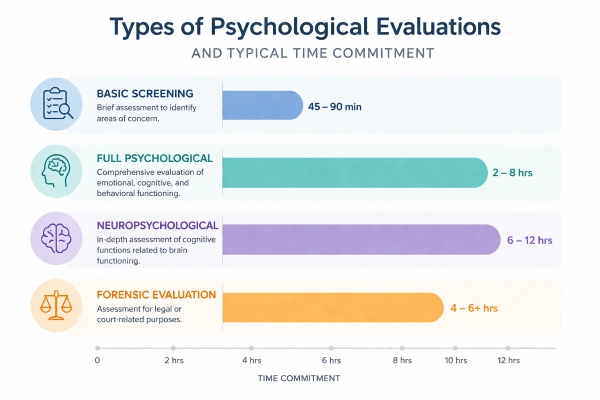
A psychological evaluation typically takes between 1 and 8 hours, depending on the type of assessment. A basic diagnostic screening runs 45 to 90 minutes in a single session. A full psychological battery can stretch across 2 to 8 hours, sometimes split over multiple days. Neuropsychological evaluations, which test memory, attention, and cognitive function, often require 6 to 12 hours of total testing time.
Most people asking this question are worried about sitting in a psychologist’s office all day. Fair concern. But the bigger issue most articles skip is that face-to-face testing is only part of the timeline. Scoring, interpretation, and clinical assessment report writing can double the hours your psychologist spends on your case. I’ve seen reports take 2 to 6 weeks after testing to reach the patient.
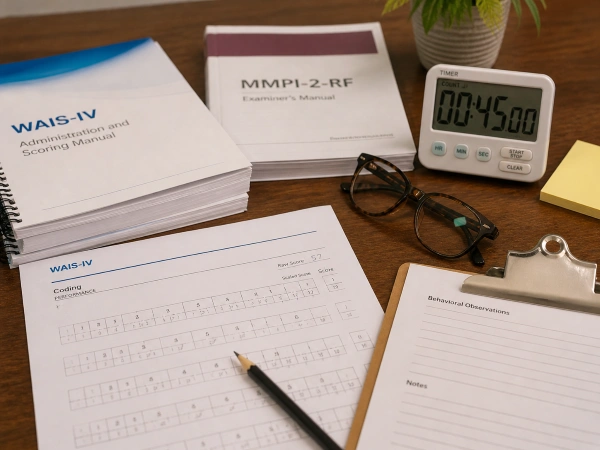
A psychological evaluation is a structured assessment conducted by a licensed psychologist to measure cognitive abilities, emotional functioning, personality traits, and behavioral patterns. It typically involves a clinical interview, standardized testing, and a written report with diagnosis and treatment recommendations.
What Is a Psychological Evaluation?
A psychological evaluation is a formal process where a licensed psychologist (PhD or PsyD) uses interviews, standardized tests, and clinical judgment to answer a specific question about your mental health. That question might be “does this person meet criteria for ADHD?” or “what is causing this child’s academic struggles?”
The process has three phases: a clinical interview to gather your history and symptoms, standardized testing (personality inventories, cognitive tests, achievement measures), and a written report with diagnosis and recommendations.
One thing people get wrong: a 30-minute intake with a therapist is not a psychological evaluation. That’s a screening. A full clinical psychological evaluation includes hours of formal testing and produces a detailed written report. The APA’s assessment guidelines (still the primary standard in 2026) don’t prescribe time, but shortcuts aren’t an option.
What Affects How Long a Psychological Evaluation Takes?
Three factors drive duration, and they interact in ways that make “it depends” the honest answer (even though nobody wants to hear it).
The type of evaluation matters most. A basic diagnostic evaluation for depression or anxiety wraps up in 45 to 90 minutes. A psychoeducational evaluation runs 3 to 6 hours. A neuropsychological evaluation can require 6 to 12 hours across multiple sessions. Court-ordered forensic evaluations run 4 to 6 hours minimum, plus collateral interviews.
| Type of Evaluation | Typical Duration | Cost Without Insurance | Sessions |
|---|---|---|---|
| Basic diagnostic/screening | 45-90 minutes | $300-$1,500 | 1 |
| Full psychological | 2-8 hours | $1,500-$3,500 | 1-2 |
| Neuropsychological | 6-12+ hours | $2,000-$5,000+ | 2-3 |
| Forensic/court-ordered | 4-6+ hours | $2,000-$6,000 | 2-3 |
- Patient age changes everything. A 7-year-old can’t focus on test after test for 4 hours. Fatigue tanks test validity, so most psychologists split pediatric evaluations across two or three shorter sessions. Even with adults, sessions over 4 hours produce less reliable results.
- Complexity adds time. A simple ADHD referral requires fewer tests than someone with overlapping symptoms across multiple conditions.

Common Reasons You May Need a Psychological Evaluation
- Diagnostic clarification is the most common reason. Your doctor or therapist suspects ADHD, autism, or a learning disability, and they need formal testing to confirm. Self-diagnosis doesn’t cut it when you need accommodations or a treatment plan that works. HRSA’s 2025 workforce report projects a shortage of up to 152,520 psychologist full-time equivalents by 2038. Wait times are only getting longer.
- Employment evaluations are required in law enforcement, aviation, and military service. They’re typically shorter (1 to 3 hours) and focused on specific fitness-for-duty criteria.
- Legal and court-ordered evaluations involve higher documentation standards. A judge might order one during custody disputes, criminal proceedings, or competency hearings. These take longer because the report must meet legal evidentiary standards.
- Educational evaluations identify why a child is struggling academically. Schools offer their own assessments, but private psychoeducational testing is often more thorough.
How to Prepare for Your Psychological Evaluation
Preparation won’t change the outcome of your evaluation, but it will make the process smoother and reduce wasted time.
- Call ahead and ask specific questions. Don’t just confirm the time. Ask: “How many hours should I plan for?” “Which specific tests will you use?” “How many weeks until I get the report?” Those last two questions are the ones experienced psychology practices hear the least, and they matter the most.
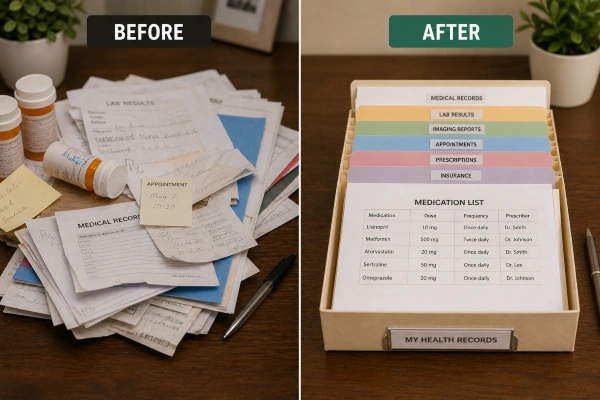
- Bring documentation. Prior medical records, a medication list, previous evaluation reports, and (for legal evaluations) court documents. Old testing reports still help. They give your evaluator a baseline.
- Sleep and eat normally. Cognitive tests measure processing speed, working memory, and attention. If you pulled an all-nighter or skipped breakfast, your scores won’t reflect your actual abilities. Bring a snack for longer evaluations.
- Be honest. Validity scales built into most psychological tests flag inconsistent responses and exaggeration. Trying to game the results backfires. Your psychologist will note it in the report.
The Real Value of a Psychological Evaluation
Psychological evaluations aren’t cheap, and they aren’t quick. So why bother?
A psychological test administered by a licensed psychologist produces a specific diagnosis, not a hunch. That diagnosis opens doors to targeted treatment, school accommodations, workplace protections, and insurance coverage for therapy.
The most expensive mistake I see is people skipping the full evaluation because they assume insurance covers it. Most plans cover the diagnostic interview but cap or exclude testing batteries. Out-of-pocket for a full evaluation can reach $3,500 or more. Neuropsych testing can top $5,000. Check your coverage before you book.
An incomplete evaluation leads to an incomplete diagnosis, which leads to guesswork treatment. People spend more on years of trial-and-error therapy than they would on one proper evaluation from a team that gets it right the first time.
Psychological evaluations aren’t permanent stamps. For school and employment purposes, most are considered current for 6 to 12 months. Stable adult diagnoses may hold longer. But if symptoms shift or treatment stalls, a follow-up evaluation recalibrates the approach.
FAQs
How long does a psychological evaluation take?
A basic diagnostic assessment takes 1 to 3 hours. Full batteries run 2 to 8 hours, and neuropsychological evaluations can require 6 to 12 hours split across multiple days. Scoring, interpretation, and report writing add another 2 to 6 weeks before you receive results.
How much does a psychological evaluation cost without insurance?
Costs range from $300 to $1,500 for basic diagnostic evaluations, $1,500 to $3,500 for full assessments, and $2,000 to $5,000+ for neuropsychological testing. Medicare covers the diagnostic interview (CPT 90791) at roughly $166 to $173 in 2026, but full testing batteries often need separate authorization.
Can a psychological evaluation be completed in one day?
Basic evaluations (1 to 2 hours) can finish in a single session. Full evaluations are often split across multiple appointments to prevent fatigue, which distorts test results. If your testing block exceeds 4 hours, most psychologists will recommend breaking it up.
What is the difference between a psychological evaluation and a psychiatric evaluation?
A psychological evaluation is conducted by a psychologist (PhD or PsyD) and focuses on standardized testing and behavioral analysis. A psychiatric evaluation is conducted by a psychiatrist (MD or DO) and focuses on medication management and medical causes. Both initial sessions run 60 to 90 minutes, but psychological evaluations involve more testing hours.
Does insurance cover a psychological evaluation?
Rarely in full. Most plans cover the initial diagnostic interview but cap or exclude extended testing batteries. Always confirm coverage before scheduling, and ask which CPT codes your provider plans to bill so you can verify benefits.
How long are psychological evaluation results valid?
No universal expiration date exists. For school accommodations and employment assessments, evaluations are typically current for 6 to 12 months. Stable adult diagnoses may not need re-evaluation for several years unless symptoms change.
How do I prepare for a psychological evaluation?
Bring prior medical records, a current medication list, and any previous evaluation reports. Sleep well, eat before your appointment, and dress comfortably. Ask your psychologist which tests they’ll use and when you’ll receive the report. Give truthful answers. Validity scales in most tests flag inconsistent or exaggerated responses.

Dr. Cathy Colet, Psy.D., is a Licensed Clinical and Forensic Psychologist and founder of FC PsychExperts in Jupiter, Florida. She provides expert witness testimony across criminal, family, and immigration law, with advanced training in competency evaluations, criminal responsibility, child custody assessments, and VAWA hardship waivers.