

How Much Does A Psychoeducational Evaluation Cost?
Written By: Michael Vale, Content Writer
Medically Reviewed By: Dr. Cathy Colet, Psy.D., Licensed Psychologist
Last Reviewed: April 16, 2026
A psychoeducational evaluation is a structured assessment conducted by a licensed psychologist to measure how a person thinks, learns, and processes information. It identifies learning disabilities, ADHD, executive functioning gaps, and emotional factors that affect academic performance. The evaluation typically includes cognitive (IQ) testing, academic achievement tests in reading, writing, and math, and behavioral or emotional questionnaires. Results are compiled into a written report with specific recommendations for school accommodations, therapy, or intervention strategies.
If your child is struggling in school and you can’t figure out why, this is probably the most direct path to an answer. I’ve reviewed hundreds of these reports over the years, and the difference between a family operating on guesswork and one holding a solid evaluation is night and day. The report doesn’t just name the problem. It tells you exactly what to do about it.
This guide breaks down what goes into a psychoeducational evaluation, what affects pricing, whether insurance will cover it, and how to pick a provider who won’t waste your time or money.
What Factors Affect the Price of a Psychoeducational Evaluation?
Several variables shift the price tag on a psychoeducational evaluation. Not all of them are obvious, and providers don’t always spell them out upfront. Here’s what actually moves the needle.
Geography and Local Demand
Where you live has a direct impact on what you’ll pay. Providers in major metro areas charge more because their overhead is higher (office rent, staff, insurance) and because demand outpaces supply. A family in a mid-size Southern city will almost always pay less than a family in New York or Los Angeles for the same battery of tests.
But here’s the part nobody talks about. Rural areas aren’t automatically cheaper. In some regions, there are so few qualified evaluators that the limited supply drives prices up just as much as big-city demand does. I’ve seen families drive two hours each way for appointments because the closest qualified psychologist was in another county. That travel time adds real cost, even if the sticker price looks lower.
Who Conducts the Testing
It matters a lot. And this is where families make the most expensive mistake in the entire process.
A licensed clinical or neuropsychologist with years of testing experience will charge more than a general mental health practitioner offering a basic screening. But the gap in quality between those two reports is enormous. A well-trained evaluator selects the right test battery for your child’s specific concerns, interprets the scores in context (not just reading numbers off a page), and writes recommendations that schools actually act on.
School-based evaluators offer testing at no cost through the public school system. That sounds great on paper. In practice, those evaluations are often narrow in scope, limited to determining whether a child qualifies for special education services, and completed months after the initial request. The Individuals with Disabilities Education Act (IDEA) requires schools to identify and evaluate children with suspected disabilities. But “required” and “thorough” aren’t the same thing.
I’ve seen school evaluations miss ADHD diagnoses because the testing battery didn’t include attention measures. I’ve seen them miss dyslexia because phonological processing tests weren’t part of the protocol. If your child’s struggles are complex (and most are, or you wouldn’t be seeking an evaluation), a school-only assessment probably won’t give you the full picture.
Full Evaluation vs. Targeted Screening
A full psychoeducational evaluation covers multiple domains: cognitive ability, academic achievement, attention and executive functioning, memory, and emotional or behavioral health. That’s 15–30 hours of professional work when you add up the clinical interview, testing sessions, scoring, report writing, and a feedback meeting. According to the APA’s 2024 billing and coding guide, psychological testing is billed using CPT codes 96130 and 96131, which cover evaluation and additional testing hours, respectively.
A targeted screening, on the other hand, might focus on a single concern like ADHD or reading difficulties. It’s faster and cheaper. But it carries a real risk. If the evaluator only screens for one thing and your child actually has two or three overlapping conditions (which is common), you’ve paid for an incomplete answer, and you may end up paying again for a broader evaluation later.
My general advice: if you’re going to do this, do it right the first time. A full evaluation costs more upfront but almost always saves money and time over the long run.

What Happens After the Testing Session?
The testing itself is only part of what you’re paying for. A good psychoeducational evaluation also includes a detailed written report (usually 15–30 pages), a follow-up feedback session where the psychologist walks you through the findings, and specific recommendations for school accommodations or therapy.
Some providers go further. They’ll attend IEP or 504 Plan meetings with you, consult with your child’s teachers, or provide school advocacy services. These extras add to the price, but if you’re fighting for accommodations, having the evaluator in the room can be the difference between getting them and getting a polite “no.”
Reports vary wildly in quality. I’ve reviewed reports that were essentially a printout of test scores with a one-paragraph summary. I’ve also reviewed reports that laid out a clear roadmap for the next two years of intervention. Ask to see a sample report before you commit to a provider. If it looks thin, keep looking.

What Does a Psychoeducational Evaluation Actually Include?
A standard psychoeducational evaluation involves several components, and understanding what’s in the box helps you judge whether you’re getting your money’s worth.
The process usually starts with a clinical interview. The psychologist meets with you (and your child, if age-appropriate) to learn about developmental history, school performance, family background, and the specific concerns that brought you in. This isn’t a formality. A skilled evaluator gathers critical context here that shapes which tests they choose.
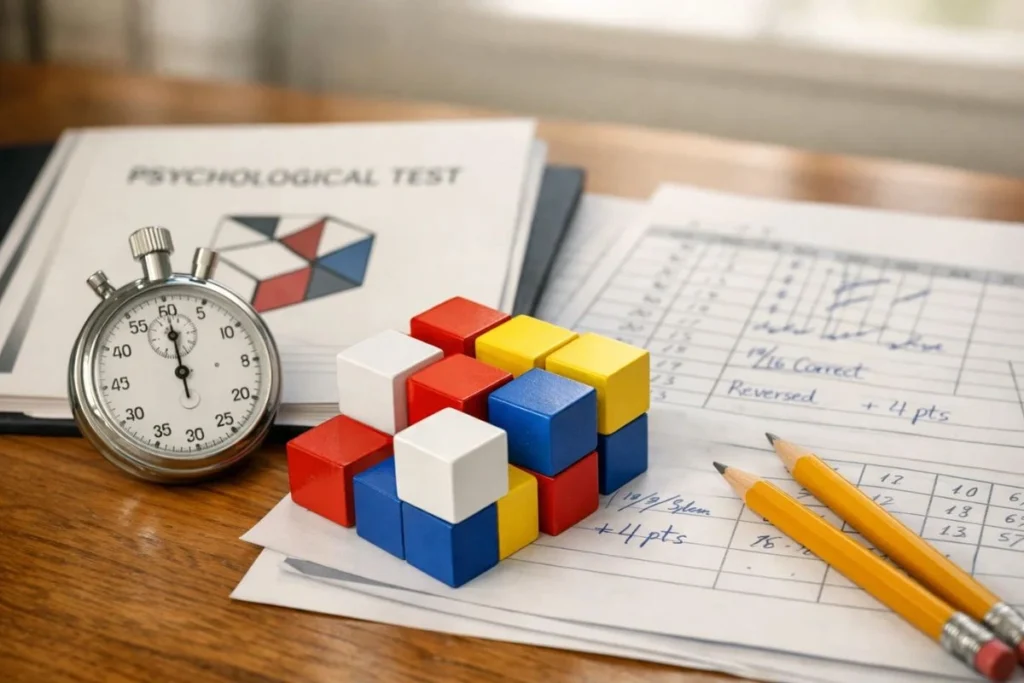
Next come the testing sessions, which typically span two to four hours and may be spread across multiple appointments. Common instruments include the WISC-V (a widely used cognitive assessment for children), the WIAT-4 for academic achievement, and tools like the BRIEF-2 or Conners-4 for executive functioning and attention. These test kits aren’t cheap for the evaluator either, running hundreds of dollars per kit, and they must be updated regularly to meet APA testing standards.
After testing, the psychologist scores everything, interprets the results, and writes the report. This is the most time-intensive part. A thorough report doesn’t just list scores. It explains what the scores mean for your child’s day-to-day learning and lays out a plan. The Bureau of Labor Statistics reports that the median annual wage for psychologists hit $94,310 as of May 2024, and the profession is projected to grow 6% through 2034. That demand for qualified professionals is part of why evaluations aren’t cheap.
The final step is a feedback session. You sit down with the evaluator, review the findings, ask questions, and discuss next steps. Good evaluators make this feel like a conversation, not a lecture.
Will Insurance Cover a Psychoeducational Evaluation?
Probably not in full. And I want to be direct about this because the vague “check with your provider” advice most articles give doesn’t prepare families for reality.
Most insurance plans treat psychoeducational evaluations as educational rather than medical, which means they’re excluded from coverage. Some plans will reimburse for the diagnostic components, like an ADHD or anxiety diagnosis, but won’t cover the academic achievement testing or the written report. Medicare’s 2026 reimbursement for a psychological diagnostic evaluation (CPT code 90791) sits well below what most private-practice psychologists charge for the same service. The gap between what insurance reimburses and what the evaluation actually costs is significant.
Here’s what you should do. Call your insurance company before you schedule anything and ask three specific questions: Does my plan cover psychological testing under CPT codes 96130 and 96131? Is there a cap on the number of testing hours covered? Does coverage require a referral or prior authorization?
Get the answers in writing. Don’t rely on a phone conversation.
If your plan doesn’t cover testing, ask the evaluator about superbills (an itemized receipt you submit for potential reimbursement), payment plans, or sliding-scale arrangements. Some providers offer these. Many don’t advertise them.

Are Free or Low-Cost Psychoeducational Evaluations Worth Pursuing?
Yes, with caveats.
- Public school evaluations are free under IDEA. If you suspect your child has a disability, you can request an evaluation in writing from your school district. They’re legally required to respond. The upside is zero cost. The downside is limited scope, long wait times (sometimes months), and the fact that school evaluations are designed to determine eligibility for services, not to give you a complete learning profile.
- University training clinics are another option. Many psychology doctoral programs run clinics where graduate students conduct evaluations under supervision. Pricing is usually on a sliding scale. The quality can be surprisingly good, because supervisors review every detail. The trade-off is speed. These clinics often have long waitlists, and the evaluation timeline may stretch out due to the academic calendar.
- Nonprofit and community programs exist in some areas, though availability varies widely by region. Some offer financial assistance or reduced fees based on income.
Here’s my contrarian take on this. Free isn’t always a bargain. If you wait four months for a school evaluation that only checks two boxes, and then need to pay out of pocket for a private evaluation anyway, you’ve lost four months of intervention time for your child. That’s four months where the right support could have been in place. For families who can manage the upfront investment, a private evaluation done right the first time often costs less in total than the free-then-redo path.

How Do You Choose the Right Evaluator?
Picking the right person matters more than picking the cheapest option. A few things to look for.
- First, check credentials. You want a licensed psychologist with specific training in psychoeducational assessment. Board certification in clinical or school psychology is a strong signal. If there’s any chance the evaluation will be used in a legal context (custody cases, disability claims, school disputes), you need someone with forensic psychology experience. A report that doesn’t meet legal admissibility standards is money wasted.
- Second, ask about their testing battery. A good evaluator doesn’t run the same set of tests on every child. They tailor the battery based on the referral question. If a provider tells you every evaluation includes the same five tests regardless of concern, that’s a red flag.
- Third, ask to see a sample report. This tells you more than any sales pitch. Is it detailed? Does it include specific, actionable recommendations? Or is it a form letter with scores plugged in?
- Fourth, ask about turnaround time. The industry standard for a completed report is four to eight weeks after the final testing session. Some providers offer expedited timelines for an extra fee. If you’re working against a school deadline or legal timeline, this matters.
- Finally, ask about follow-up. The best evaluators don’t hand you a report and disappear. They’ll answer questions after the feedback session, consult with your child’s school team, and sometimes attend IEP meetings. That ongoing support can be just as valuable as the report itself.
A psychoeducational evaluation is one of the most useful tools a family can invest in when a child struggles academically. It replaces guessing with data, and it gives parents, teachers, and therapists a shared roadmap. If you’re considering an evaluation, partnering with professionals who understand your family’s needs makes the process smoother from start to finish. Don’t wait until the struggles pile up. The earlier you test, the earlier the right support kicks in.
Frequently Asked Questions
What is a psychoeducational evaluation used for?
A psychoeducational evaluation is used to identify learning disabilities, ADHD, executive functioning challenges, and emotional factors that affect academic performance. The results produce a detailed report with specific recommendations for school accommodations, therapy, or targeted interventions. Schools, parents, and therapists use these reports to build a support plan tailored to the individual.
How long does a psychoeducational evaluation take from start to finish?
The full process typically takes four to eight weeks. Testing sessions run two to four hours and may happen across multiple appointments. After testing, the psychologist needs time for scoring, interpretation, and report writing. Some providers offer expedited timelines for an additional fee, which can shorten the process to two to three weeks.
What’s the difference between a psychoeducational evaluation and a neuropsychological evaluation?
A psychoeducational evaluation focuses on cognitive ability, academic achievement, and factors affecting school performance. A neuropsychological evaluation goes deeper into brain-based functions like memory, language, visual-spatial processing, and motor skills. Neuropsychological evaluations are broader and typically take longer. For most school-related concerns, a psychoeducational evaluation covers what you need.
Does my child need a psychoeducational evaluation for an IEP or 504 Plan?
Not always, but it helps significantly. Schools can use their own evaluations to determine eligibility for special education under IDEA. However, a private psychoeducational evaluation often provides more detailed findings and stronger recommendations, which gives parents better leverage in IEP or 504 meetings. Under federal law, schools must consider outside evaluations submitted by parents.
At what age should a child get a psychoeducational evaluation?
Most psychoeducational evaluations are conducted on children ages six and older, when academic skills are developed enough to test reliably. Some components, like cognitive and behavioral assessments, can be done as early as age four or five. If your child is struggling with early reading, writing, or attention before first grade, an early evaluation can catch problems before they compound.
Can adults get a psychoeducational evaluation?
Yes. Adults seek psychoeducational evaluations for college accommodations, workplace challenges, or to finally understand learning difficulties they’ve carried since childhood. The BLS projects 6% job growth for psychologists through 2034, partly driven by rising demand for adult evaluations as awareness of conditions like ADHD in adults increases.
Will a school accept results from a private psychoeducational evaluation?
Federal law requires schools to consider independent evaluations, but “consider” doesn’t mean “accept.” Some districts push back on outside reports, especially if the findings conflict with their own assessment. Having a detailed, well-written report from a credentialed evaluator makes it harder for a school to dismiss the findings. If the school disagrees, parents have the right to request an independent educational evaluation at public expense.

Dr. Cathy Colet, Psy.D., is a Licensed Clinical and Forensic Psychologist and founder of FC PsychExperts in Jupiter, Florida. She provides expert witness testimony across criminal, family, and immigration law, with advanced training in competency evaluations, criminal responsibility, child custody assessments, and VAWA hardship waivers.