
No forensic psychology office operates inside Belle Glade. Evaluations for Glades-region cases run through the 15th Judicial Circuit, so the real decision is between a court-appointed evaluator and a privately retained psychologist based elsewhere in Palm Beach County. FC PsychExperts handles the private side, with reports written for Florida’s Daubert standard and psychologists who have testified in five Florida circuits.
The county's own rules treat Belle Glade as a place apart
The clearest sign of how far Belle Glade sits from the county’s forensic infrastructure is in a court order. The 15th Circuit’s Administrative Order 2.601 names the Belle Glade jail facility as its own category, set apart from the coastal facilities, because an evaluator has to travel west to reach it. The court wrote the Glades’ isolation into its own rules.
Belle Glade is a farming community on the southeastern shore of Lake Okeechobee, about 40 miles west of the West Palm Beach courthouse. No dedicated forensic psychology practice keeps an office there.
So for a Glades-region matter, you are choosing between two routes: a court-appointed evaluator through the county system, or a psychologist you retain directly. That choice matters far more than any street address, because a Florida judge decides what testimony reaches a jury, and the ruling turns on method, not location. The sections below cover those two routes, the 2025 change to who can be appointed, and a five-question test for picking between them.
Court-appointed and private are different tools
A court-appointed evaluation and a privately retained one are built for different jobs, and the right one depends on what your case needs rather than which is easier to start.
The two routes differ on who sets them in motion, who picks the evaluator, and what the psychologist is there to do. Most pages aimed at this area blur them together. They are not the same.
Court-appointed: A neutral examiner the court selects
A judge signs an order first. The circuit appoints an evaluator from its own approved list, often by rotation, and the parties get little say in who is chosen. The work is built around a neutral report to the court, which carries a stronger presumption of impartiality. This route exists for court-ordered questions such as competency to proceed.
Privately retained: An evaluator you choose and direct
An attorney or party engages the psychologist directly, with no court order needed to begin. You choose who does the work, you set the schedule against your court dates, and the same psychologist can review an opposing expert’s report, help frame deposition questions, and testify. This route fits when you need control and continuity from one person.
FC PsychExperts works on the private side. Which route fits a given matter is the subject of the Glades Routing Test further down. The next section covers a 2025 change to who a court is even allowed to appoint.
Florida narrowed who can sit in the court-appointed chair
In 2025, Florida changed who a court may appoint to evaluate competency and sanity, and what training that person must hold.
House Bill 1091, enacted as Chapter 2025-143 and effective July 1, 2025, amended Chapter 916 of the Florida Statutes. An expert appointed by a court to evaluate adult competency to proceed, sanity at the time of an offense, involuntary placement, or treatment must now be a psychiatrist, a licensed psychologist, or a physician. The state-approved training those evaluators complete has to cover competency restoration, evidence-based practice, and least-restrictive treatment options.
The Department of Children and Families keeps the approved list and sends an updated version to each circuit’s chief judge every year, the 15th included. The practical effect for a Glades matter is direct: if your case could run through the court-appointed route, both the pool of qualified evaluators and the training behind them shifted in 2025. A privately retained psychologist gives you a say in who does the work; a court-appointed one carries a stronger presumption of neutrality and less choice. You can read the amended chapter on the Florida Senate statutes site.
The Glades Routing Test
Before you pick between a court-appointed evaluator and a private one for a western-county case, run these five questions. We use the same five to give an attorney a straight read on which route fits, even when the answer is the county office and not us.
Who has to start it
A court-appointed evaluation needs a judge’s order before anything happens. Private retention an attorney can arrange directly, on your own timeline. That trigger alone decides the route for many cases: with no order signed, the court pathway is not open yet, and a waiting case may call for private retention now.
Neutrality versus control
A court appointment carries a stronger presumption of neutrality and gives the parties little say in who is chosen. A psychologist you retain is one you select, and the same person can review an opposing expert’s report, help frame deposition questions, and testify. Different cases need different things here.
Travel and jail logistics
In-person interviews and standardized testing usually cannot be done fully remotely. If the person lives in the Glades or is held at the Belle Glade jail, someone travels. The court’s own order names the Belle Glade jail as a distinct category, so ask any private expert how often they actually drive west and how they run a jail evaluation.
Language and cultural fit
Ask whether the evaluator works in Spanish or Haitian Creole, or coordinates certified interpreters, and whether the tests they use suit the person being examined. In this community that is a question about whether the report holds up, not a courtesy. The next section explains why.
Timeline against your court date
Ask for the time from complete records to final report in writing, then schedule early. A rushed records review or a compressed testing window is where reports turn weak and where cross-examination finds room to work.
In Belle Glade, language and culture shape the findings, not only the intake
Belle Glade is one of the most diverse communities in Palm Beach County, and a forensic report that ignores that is easier to challenge under Daubert.
About 56% of residents are Black or African American and about 31% are Hispanic or Latino, with a large Haitian population across the surrounding farming region and Haitian Creole widely spoken at home (U.S. Census Bureau). The court already works in three languages: its standard notices appear in English, Spanish, and Haitian Creole.
For an evaluation, this reaches the findings themselves. A test normed on one population can misread another. An interview run through an untrained interpreter can distort what a person actually said. First language, education, and acculturation all move scores on the instruments these cases rely on. Under Daubert, a Florida judge weighs whether the method was applied reliably to the specific person in front of the examiner, so an evaluation that skips language and cultural context invites a motion to exclude. We coordinate certified Spanish and Haitian Creole interpreters and choose instruments with the examinee’s background in mind.
Evidence That Quantifies Psychological Harm in Civil Claims
Civil litigation requires evidence that translates psychological harm into terms courts can measure. FC PsychExperts provides personal injury evaluations, forensic neuropsychological assessments, guardianship determinations, and independent medical examinations that produce the quantifiable evidence Plantation civil litigators need to build or defend damage claims.
A personal injury psychological evaluation produces evidence documenting the emotional and cognitive aftermath of an accident, workplace incident, or other trauma. The evidence maps functional limitations, ongoing treatment needs, diminished earning capacity, and long-term prognosis. Plantation’s healthcare corridor and corporate park generate workplace injury and employment-related cases where this evidence directly affects settlement valuations and trial outcomes. Dr. Colet’s direct experience in Level 1 Trauma Centers with trauma patients and families shapes how FC PsychExperts structures this evidence.
Dr. Miller’s role as a forensic neuropsychologist produces evidence no other Broward County forensic practice generates. Neuropsychological evaluations measure cognitive functioning after brain injuries, strokes, or neurodegenerative conditions. In litigation, this evidence quantifies how a traumatic brain injury affects a plaintiff’s daily functioning and future capacity. Independent medical examination (IME) referrals from insurance carriers and defense attorneys benefit from Dr. Miller’s dual forensic and clinical neuropsychological training.
Guardianship evaluations produce evidence about whether an individual retains the mental competency to manage personal and financial affairs. FC PsychExperts also conducts civil commitment evaluations and mental competency examinations for wills, powers of attorney, and trusts.
The Evaluations we Handle for Glades Cases
FC PsychExperts conducts forensic evaluations across criminal, civil, family, and immigration matters, each built around the specific legal question a court has to answer.
Criminal
Competency to proceed, criminal responsibility and sanity, capacity to waive Miranda rights, violence risk assessment, psychosexual and sexually violent predator evaluations, and mitigation in capital and non-capital sentencing.
Civil and personal injury
Emotional and psychological injury evaluations, independent medical examinations, and forensic neuropsychological evaluations for traumatic brain injury and cognitive decline. See our personal and emotional injury work.
Family and probate
Guardianship and capacity evaluations, competency for wills and powers of attorney, civil commitment evaluations, and assessments centered on the best interest of the child.
Immigration and specialized
Hardship evaluations for waivers, asylum, and VAWA petitions, plus psychological autopsies and adoption fitness assessments. See our immigration evaluations and the full range of forensic evaluations.
What the Work Looks Like, and How Long it Takes
A forensic evaluation runs in four stages: defining the referral question, reviewing records, testing and interviews, and the written report.
1. Define the referral question
The attorney or court sets the exact legal issue the evaluation must answer. That single decision drives which instruments fit, how wide the record review goes, and how the assessment is designed.
2. Review the records
Medical files, legal filings, prior reports, school and employment history, and collateral contacts are read before the person is interviewed, not after.
3. Interview and test
A structured clinical interview and validated testing matched to the legal question, with a qualified interpreter when language calls for one. Where cognition is at issue, neuropsychological instruments add detail standard batteries miss.
4. Write the report and testify
Every source is pulled into one report written for attorneys, judges, and opposing experts, with each conclusion tied to its evidence. The psychologist then prepares with the retaining attorney and appears for deposition or trial when the case calls for it.
On timing, direct assessment commonly runs 4 to 8 hours, often split across two to four sessions. The full cycle of records review, testing, scoring, and report writing usually takes several weeks for complex civil and custody matters, while focused competency screens are shorter. When the person is in the Glades or held at the Belle Glade jail, we build the travel and any interpreter into the schedule from the first call. Where a matter and the court allow it, parts of the work can run through secure telehealth, though the in-person testing usually cannot.
Who Does The Work
FC PsychExperts pairs psychologists whose specializations cover each other, so the evaluator is matched to the legal question rather than the other way around.
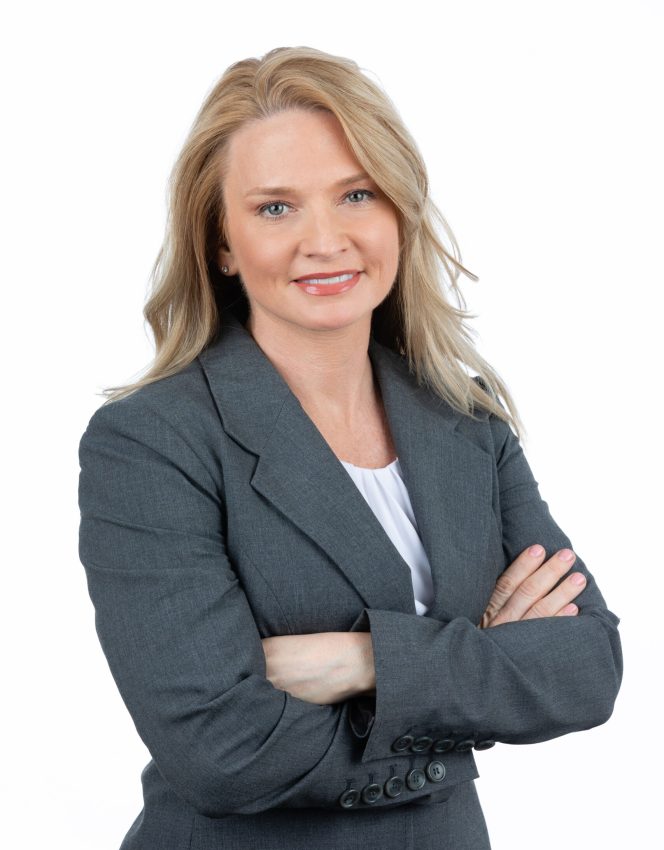
Dr. Cathy Colet
Forensic PsychologistDr. Cathy Colet is a Licensed Clinical and Forensic Psychologist and founder of Forensic and Clinical PsychExperts, LLC.
Read More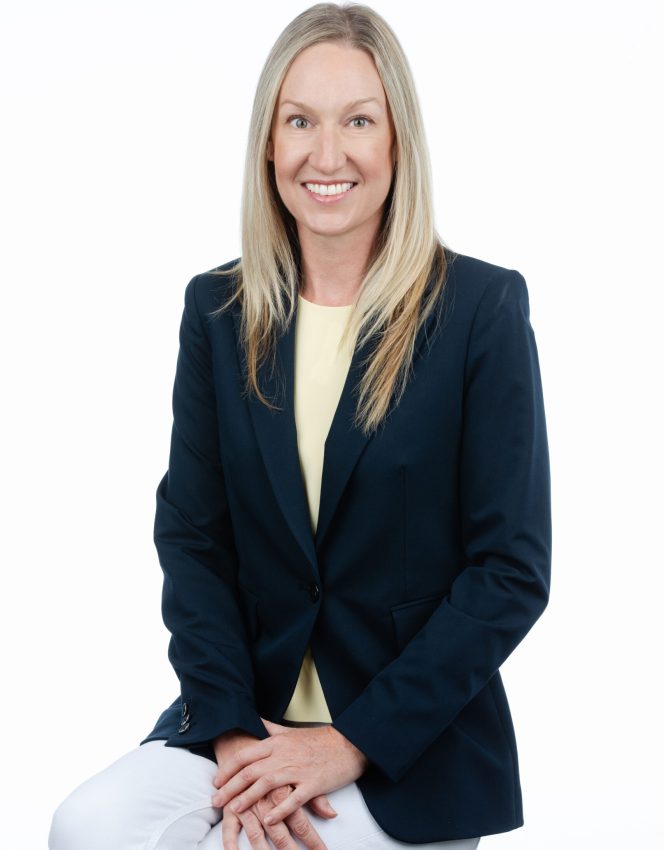
Dr. Lauren Miller
Clinical and Forensic NeuropsychologistDr. Miller has nearly 20 years of experience as a clinician, consultant, lecturer, and writer.
Read More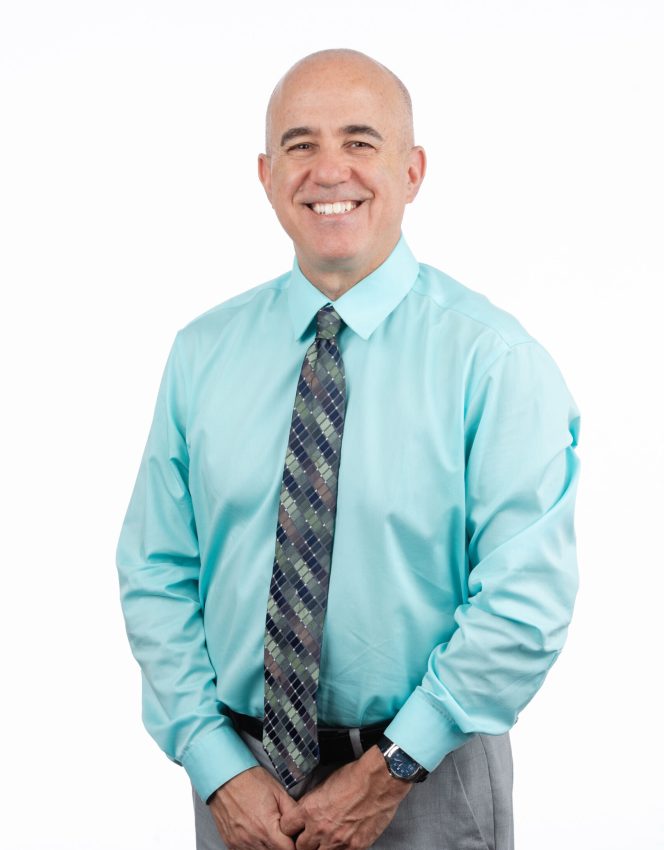
Dr. Matthew J. Jalazo
Forensic PsychologistDr. Matthew J. Jalazo is a licensed psychologist who has practiced forensic psychology on a full-time basis for the last fifteen years.
Read More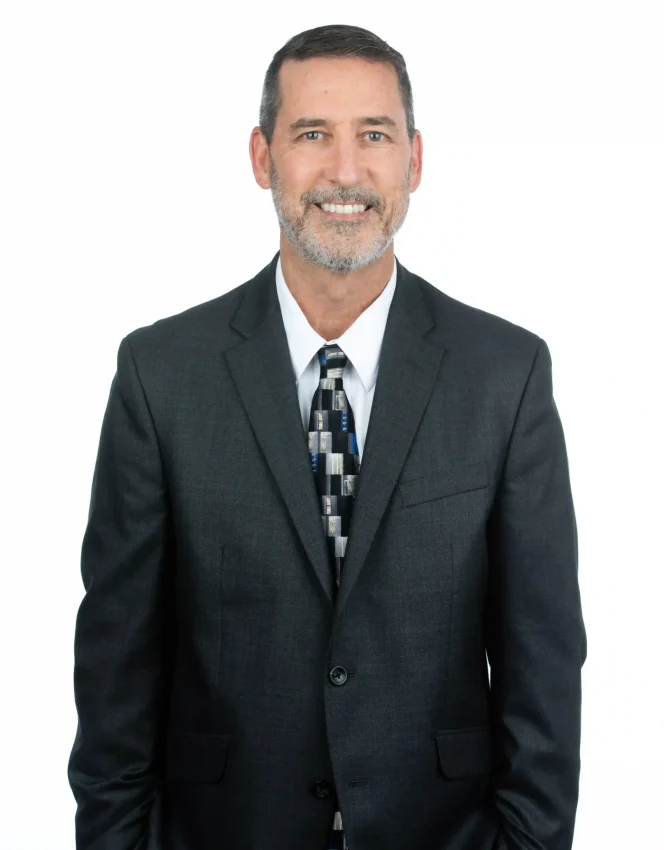
Dr. Christopher J. Beltran
Forensic PsychologistDr. Beltran is a Licensed Forensic Psychologist with over twenty-five years of experience in criminal and family law
Read MoreServing Belle Glade, the Glades, and the 15th Circuit cess
FC PsychExperts serves Belle Glade and the wider Glades, including Pahokee and South Bay, along with the rest of the 15th Judicial Circuit.
Our offices sit on the coast, in Jupiter to the north and Fort Lauderdale to the south, and we travel west for Glades matters. Where a case and the court allow it, we coordinate parts of an evaluation through secure telehealth, and we conduct facility-based assessments when a case calls for it. The standards do not change with the address. The same validated methods we have used in courtrooms across five Florida circuits apply to a case out of Belle Glade.
If the matter is court-ordered, the county runs its own pathway. A judge signs an order first, after which scheduling goes through the Palm Beach County court psychology system; the county lists its Justice Services forensic psychology office at (561) 355-2108, and details are on the county justice services page. If you want control over the evaluator and direct coordination with your litigation schedule, that is where private retention fits.
Frequently Asked Questions
Is there a forensic psychologist with an office in Belle Glade?
No forensic psychology practice keeps an office inside Belle Glade. Most local directory listings are general therapists rather than forensic evaluators. Forensic evaluations for Belle Glade cases are handled either through the 15th Circuit’s court-appointed system or by a private psychologist based elsewhere in Palm Beach County who travels for the work. The deciding factor is the evaluator’s method and testimony record, not the distance to the courthouse.
Court-appointed or privately retained, which fits a Glades case?
A court-appointed evaluator comes through the county after a judge signs an order and carries a stronger presumption of neutrality, with little choice for the parties in who is named. A privately retained psychologist is one you select, coordinate with your court dates, and can also use to review an opposing report and testify. Run the five questions in the Glades Routing Test above to decide.
Court-appointed or privately retained, which fits a Glades case?
A court-appointed evaluator comes through the county after a judge signs an order and carries a stronger presumption of neutrality, with little choice for the parties in who is named. A privately retained psychologist is one you select, coordinate with your court dates, and can also use to review an opposing report and testify. Run the five questions in the Glades Routing Test above to decide.
Can the same psychologist review the other side’s report and testify?
On the private side, yes. One advantage of retaining your own evaluator is continuity: the same psychologist who conducts the evaluation can also analyze an opposing expert’s report, identify weak points in its methodology, help frame deposition questions, and appear at trial. A court-appointed evaluator, by contrast, is there to give the court a neutral opinion, not to support one side.
Do you handle evaluations at the Belle Glade jail or out in the Glades?
Yes. In-person interviews and standardized testing usually cannot be done fully remotely, so when a person lives in the Glades or is held at the Belle Glade jail facility, the evaluator travels there. We build that travel and any interpreter into the schedule from the start. The court’s own administrative order names the Belle Glade jail as a distinct category, which reflects the same travel reality.
Can the evaluation be done in Spanish or Haitian Creole?
Yes. Belle Glade has large Hispanic and Haitian communities, and the court itself publishes materials in English, Spanish, and Haitian Creole. We coordinate certified Spanish and Haitian Creole interpreters and select instruments suited to the person being examined. This is a methodology issue: an evaluation that ignores language and culture is easier to challenge under the Daubert standard.
Did Florida change the rules for forensic evaluators in 2025?
Yes. House Bill 1091, enacted as Chapter 2025-143 and effective July 1, 2025, amended Chapter 916. A court-appointed expert in adult proceedings such as competency or sanity must be a psychiatrist, a licensed psychologist, or a physician, and the state-approved training those evaluators complete now has to cover competency restoration, evidence-based practice, and least-restrictive treatment options.
How do I check an evaluator’s track record before retaining one?
Reasonable due diligence in a smaller legal community includes asking how many evaluations the person has done in the 15th Circuit specifically, what kinds of matters, whether they have completed the circuit’s expert training and appear on its approved list, and how their method holds up to a Daubert challenge. You can verify a Florida license directly through the Florida Board of Psychology. Asking these questions up front is fair and expected.
How long does a forensic psychological evaluation take?
Direct assessment commonly runs 4 to 8 hours, often spread across two to four sessions. The full cycle of records review, testing, scoring, and report writing usually takes several weeks for complex civil and custody matters. Focused competency screens are shorter. Scheduling early around a court date protects the thoroughness of each stage.