

“Hiring Licensed Psychologists – Contact Us Today”

Court-ready psychological evaluations and expert testimony for attorneys, courts, and individuals across the 15th Judicial Circuit. Independent findings, built to Florida’s Daubert standard, from a Palm Beach County practice that has testified in five Florida circuits since 2008.

Is there a Forensic Psychologist in Juno Beach?

No forensic psychologist keeps an office in Juno Beach itself. It is a small coastal town, and the nearest specialists sit minutes away in Jupiter, just north along US-1. Most directory pages list “Palm Beach County” options without ever telling you that.

So for anyone searching this, there are two real routes. You travel a few minutes north to a Jupiter practice, or you go through the county court process when a judge has ordered the evaluation. This page maps both, plainly, before it explains anything else.

FC PsychExperts is one of those nearby options. The Jupiter office sits near the Donald Ross Road corridor that links Jupiter and Juno Beach, close enough that travel is rarely the deciding factor in the choice.

What should decide the choice is fit: whether the evaluator does forensic work as a specialty, whether they have handled your exact evaluation type recently, and whether they have testified in the 15th Judicial Circuit and held up under cross-examination. Distance is the easy part near Juno Beach. The rest of this page is about the part that actually matters.

Court-ordered or Privately retained?

A forensic evaluation in Palm Beach County reaches you one of two ways. A judge orders one through the 15th Judicial Circuit, or an attorney retains a private expert directly. Which path applies decides who chooses the evaluator and how much control you have over the work.

Path 1 : The 15th Circuit appoints


When a Palm Beach County judge orders an evaluation, the Circuit Court appoints the evaluator. In criminal competency matters, court-appointed evaluators work under Florida Statute 916.111 and Rules 3.210 and 3.216 of the Florida Rules of Criminal Procedure, which set uniform criteria for the exam. The circuit’s court psychology unit operates from the Palm Beach County Main Courthouse on North Dixie Highway in West Palm Beach.

  • The court, not the party, selects or approves the evaluator
  • Common in competency, restoration, juvenile, and risk matters
  • The court sets the terms and taxes them to the parties

Path 2 : An Attorney Engages Directly


A party or attorney retains a private forensic psychologist when the case calls for a specific methodology, a second opinion, or more control over the expert. In adversarial matters, both sides often bring their own evaluator, and the court weighs the competing findings.

  • Defense work, second opinions, and high-conflict custody disputes
  • The party chooses the evaluator and the scope of the question
  • A legal service, not treatment, so health insurance does not apply

The distinction matters more than most pages admit. If your matter is court-ordered, start with the court process. If you can retain your own expert, the choice of evaluator is yours, and the rest of this page is written to help you make it well. When a court has appointed an evaluator and a party still wants an independent read, an attorney can usually arrange one. Ask yours. You can read more about the circuit on the 15th Judicial Circuit site.


Forensic Psychologist or Licensed Psychologist?

Florida has no separate license for forensic psychology. Any psychologist with a Florida license can accept a legal referral and call the work forensic. What separates a real specialist from a general clinician who added the label is training, a track record with your exact evaluation type, and testimony that has held up under cross-examination.

What a Florida license actually requires

To hold the license, a psychologist completes a doctoral degree from an APA-accredited program, 4,000 hours of supervised experience split between a doctoral internship and a postdoctoral year, and passing scores on the national EPPP and the Florida Laws and Rules examination. That is the floor for any licensed psychologist in the state. None of it is specific to court work.

So the license tells you someone is a psychologist. It does not tell you they are a forensic one. The questions in the next section close that gap.

Board certification, the voluntary gold standard

The strongest forensic credential is board certification through the American Board of Forensic Psychology under the American Board of Professional Psychology. It is one of only two forensic specialty certifications recognized in the APA directory, and it ends in a three-hour oral examination by three board-certified forensic psychologists. Some courts treat it as the standard of competence in the field.

It is also rare. Only about three to five percent of licensed psychologists hold any ABPP certification, so its absence is common and not a disqualifier. Treat it as a strong signal when present, and lean on case-type experience either way.

The 6-Point Evaluator Screen

Before you retain anyone, including this practice, run the evaluator through six questions. We built this screen from the gaps that trip up attorneys most often, drawn from how forensic referrals actually go wrong.

What share of your practice is forensic, not general clinical?”

A practitioner who spends most of their week in treatment will think like a treater on the stand. Higher forensic share usually means sharper habits around impartiality and documentation.

How many evaluations of this exact type have you completed in the last two to three years?”

Competency, parental capacity, and psychosexual evaluations are different crafts. Recent volume in your specific type matters more than a long generic resume.

Have you testified in the 15th Judicial Circuit, and held up under cross-examination there?”

A report only helps if its author can defend it. Ask for the circuits and the case types, not just a yes.

What post-doctoral forensic training or supervision do you hold beyond the license?”

Because Florida has no forensic license, formal forensic training, fellowships, or board certification are how you tell depth from a directory tag.

Which professional bodies tied to this case type do you belong to?”

ATSA for psychosexual and sex-offender matters, AFCC for family and custody work. Membership in the body that governs your case type is a quiet but real signal.

Can you provide redacted sample reports or attorney references for similar cases?”

A specialist can show you a redacted report and point to attorneys who have used them. Hesitation here is worth noticing.

Red flags this screen surfaces

  • Vague answers about forensic-specific training
  • No experience with your exact evaluation type
  • Treating a forensic report like extended therapy notes
  • Reluctance to share a redacted sample or references
  • No circuit testimony, or none they will name
  • A diagnosis offered with no tie to the legal question
woman reading the assessments

Evaluations by Case Type

Criminal

Mental state, risk, and responsibility


When a Palm Beach County judge orders an evaluation, the Circuit Court appoints the evaluator. In criminal competency matters, court-appointed evaluators work under Florida Statute 916.111 and Rules 3.210 and 3.216 of the Florida Rules of Criminal Procedure, which set uniform criteria for the exam. The circuit’s court psychology unit operates from the Palm Beach County Main Courthouse on North Dixie Highway in West Palm Beach.

Family & Custody

Best interests, held to evidence


Family work carries a different duty: the evaluator answers to the best interests of the children, not to either parent. In high-conflict matters where both sides retain experts, the court needs an independent parental-capacity read it can trust, with the assessment procedures and the basis for each recommendation set out plainly.

Civil

Psychological injury, measured


In civil court the question is causation and degree. A report has to separate pre-existing conditions from the event in dispute and connect symptoms to the legal claim. For cognitive complaints after a head injury, Dr. Lauren Miller’s neuropsychological testing measures memory, attention, executive function, and processing speed with the precision a general impression cannot reach.

Immigration & Juvenile

Hardship, asylum, and minors


Immigration reports document psychological hardship for waiver and asylum petitions in terms a judge and USCIS officer can weigh. Juvenile work uses age-appropriate instruments and an understanding of adolescent development that adult evaluation does not require.

Florida's Daubert Standard decides whether your report survives

Since May 2019, Florida courts judge expert testimony by the Daubert standard. A report is admissible only if it rests on sufficient facts, reliable methods, and a sound application of those methods, with the judge acting as gatekeeper. A diagnosis on its own does not clear that bar.

For years Florida used the older Frye test, which asked only whether a technique was generally accepted. In 2018 the state’s high court reaffirmed Frye, then reversed course in 2019 and adopted Daubert, bringing Florida in line with the federal courts and most other states.

The practical effect is direct. Under Daubert, opposing counsel can challenge the reliability of an instrument, the data behind an opinion, and the way the method was applied to the facts. Validated instruments, documented collateral review, and a clear line from data to conclusion are what let a report withstand that challenge.

Every FC PsychExperts report is prepared with that gatekeeping test in mind: the instruments named, the records listed, the clinical observations recorded, and each conclusion tied to the legal question and its factual basis. The goal is a report that reads the same on direct and on cross.

Admissibility is always the court’s call. What an evaluator controls is whether the work gives the court a reliable basis to admit it. That is the standard the practice builds to on every file.

What an Attorney Receives

A finished report is built to be read by a judge and tested by opposing counsel. Every FC PsychExperts report carries the same parts, in the same order.

Referral question

The exact legal question the evaluation was retained to answer, stated up front so the scope is unambiguous.

Methods & instruments

Every test and procedure used, named, so the reliability of each can be examined on its own terms.

Collateral reviewed

The medical records, legal documents, and prior reports examined to place the findings in context.

Clinical findings

What the interview, testing, and observations showed, reported without reaching past the data.

Opinion to legal question

Each conclusion connected directly to the referral question, with the factual basis for it on the page.

Limits & bases

The bounds of the opinion and what would change it, stated plainly so the report holds up under cross.

Get Expert Support Today

    The Forensic Psychologists at FC PsychExperts

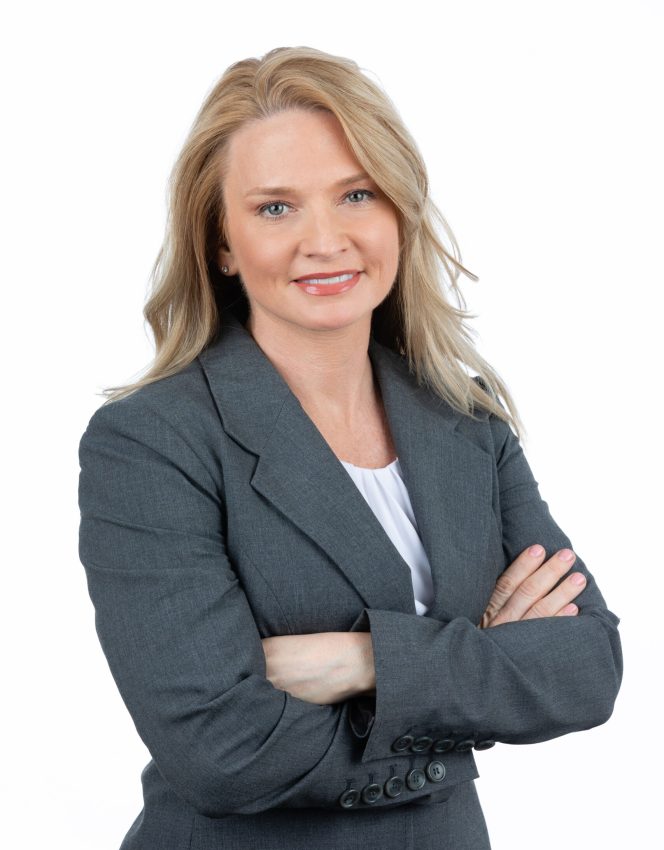
    cathy colet
    Dr. Cathy Colet
    Forensic Psychologist

    Dr. Cathy Colet is a Licensed Clinical and Forensic Psychologist and founder of Forensic and Clinical PsychExperts, LLC.

    Read More
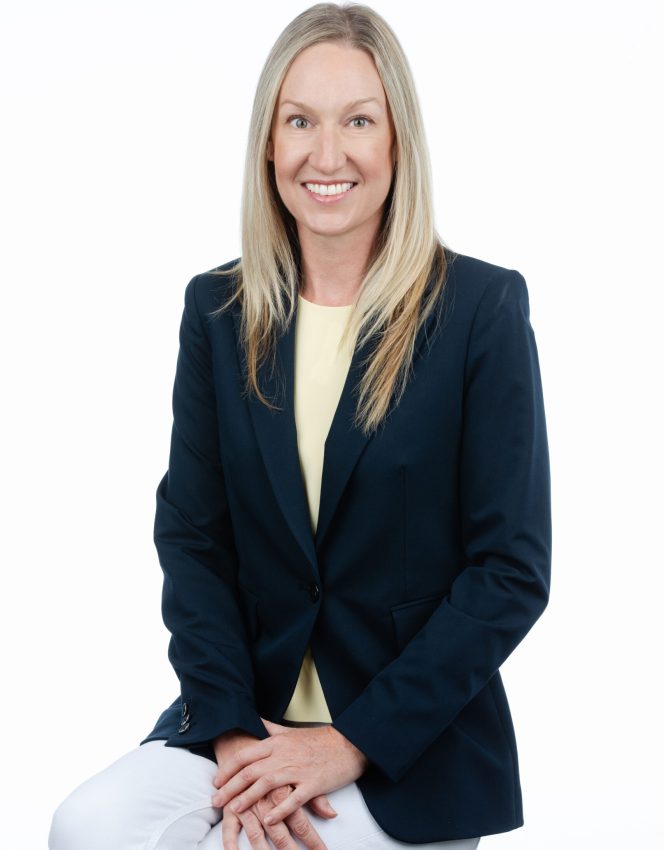
    Dr. Lauren Miller
    Dr. Lauren Miller
    Clinical and Forensic Neuropsychologist

    Dr. Miller has nearly 20 years of experience as a clinician, consultant, lecturer, and writer.

    Read More
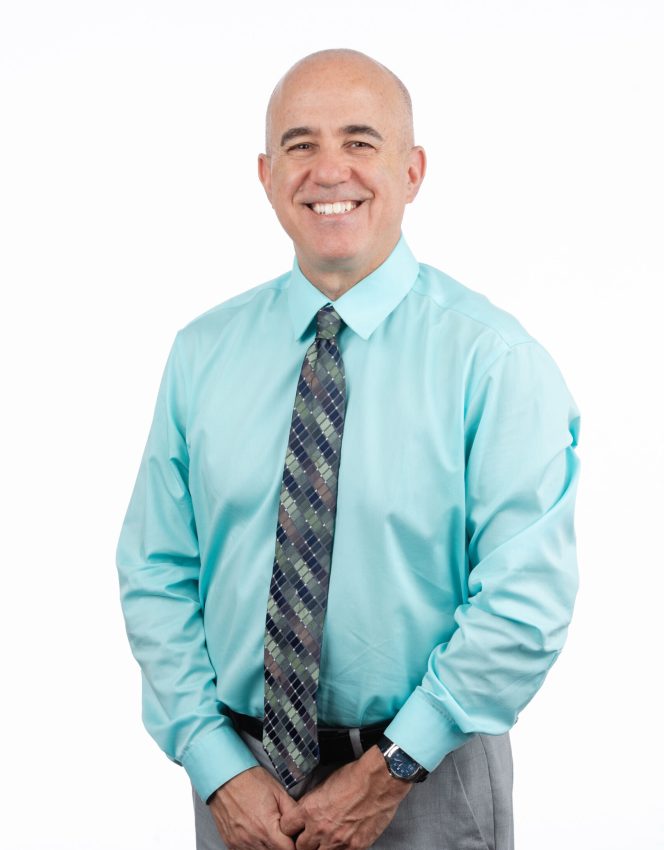
    Dr. Matthew J. Jalazo
    Dr. Matthew J. Jalazo
    Forensic Psychologist

    Dr. Matthew J. Jalazo is a licensed psychologist who has practiced forensic psychology on a full-time basis for the last fifteen years.

    Read More
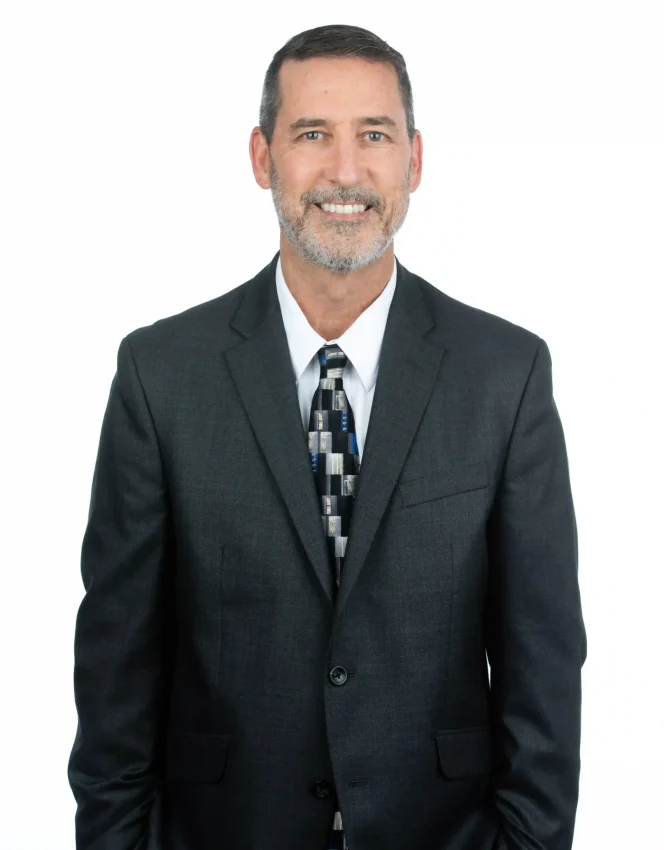
    Dr. Christopher Beltran who is a Licensed Clinical and Forensic Psychologist
    Dr. Christopher J. Beltran
    Forensic Psychologist

    Dr. Beltran is a Licensed Forensic Psychologist with over twenty-five years of experience in criminal and family law

    Read More

    Serving Juno Beach

    FC PsychExperts serves attorneys, courts, and individuals across Juno Beach and Palm Beach County from a Jupiter office on Jupiter Lakes Blvd, minutes north of Juno Beach near the Donald Ross Road corridor. Palm Beach County sits in Florida’s 15th Judicial Circuit, with criminal, civil, family, juvenile, and probate matters heard at the Circuit Court level, and competency and mental-health matters handled through the Palm Beach County Main Courthouse in West Palm Beach. The team knows what 15th Circuit judges expect from a forensic report and from the expert who has to defend it.

    A second office at 1451 W. Cypress Creek Road in Fort Lauderdale covers Broward County and the 17th Judicial Circuit.

    Frequently Asked Questions

    Is there a forensic psychologist located in Juno Beach?

    No forensic psychologist keeps an office in Juno Beach itself. It is a small coastal town, and the nearest specialists sit minutes away in Jupiter, just north along US-1. In practice you either travel a few minutes north to a Jupiter practice or go through the county court process when a judge has ordered the evaluation.

    If a Palm Beach County judge orders an evaluation, can I request my own private expert instead?

    Often, yes. In adversarial matters, parties frequently retain their own expert in addition to or instead of relying only on a court-appointed evaluator. Whether you can do so in your case depends on the matter and the judge, so your attorney is the right person to advise.

    Does health insurance cover a forensic psychological evaluation?

    No. A forensic evaluation is a legal service rather than treatment, so health insurance does not cover it. Court-ordered evaluations follow the court’s own process, where the judge sets the terms and taxes them to the parties.

    How long does a forensic evaluation take?

    Most evaluations run several weeks from referral to report. The work includes records review, clinical interviews, standardized testing, and report writing. Court timelines and case complexity move that window in either direction.

    How is a forensic psychologist different from a clinical psychologist?

    The difference is purpose. A clinical psychologist treats a patient and advocates for that patient’s wellbeing. A forensic psychologist answers a legal question for the court and reports impartial findings, using validated instruments and documenting the factual basis for every conclusion.

    Will the report hold up under Florida’s admissibility standard?

    Florida has applied the Daubert standard since May 2019. A report is built to that standard when it rests on sufficient facts, reliable methods, and a sound application of those methods. FC PsychExperts prepares every report with that gatekeeping test in mind, though admissibility is always decided by the court.

    Which courthouse handles Juno Beach matters?

    Juno Beach sits in Florida’s 15th Judicial Circuit, which serves all of Palm Beach County. Circuit matters are heard in West Palm Beach, and the circuit’s court psychology unit operates from the Palm Beach County Main Courthouse on North Dixie Highway.

    Discuss your Matter with a Forensic Specialist

    Whether your evaluation is court-ordered or privately retained, a short consultation clarifies the question, the scope, and the right evaluator for the case.