

Immigration Evaluations For Non-English Speakers: What Attorneys Should Demand
Written By: Michael Vale, Content Writer
Medically Reviewed By: Dr. Cathy Colet, Psy.D., Licensed Psychologist
Last Reviewed: August 13, 2026
An immigration evaluation for non-English speakers is only as strong as the language method behind it. If your client can’t be interviewed comfortably in English, the psychologist has two defensible options: a clinician fluent in the client’s language, or a trained professional interpreter working in consecutive mode. Both can produce a report that holds. A cousin translating in the waiting room cannot. For an extreme-hardship waiver, VAWA petition, U visa, or asylum case, that single choice shapes whether the findings survive cross-examination and USCIS scrutiny. Our four forensic psychologists have testified in more than 1,000 cases across Florida courts since 2007, and we build language handling into the file from the first call.
This guide is written for the attorney who has to submit the report, not just read it.

When to Bring In a Forensic Neuropsychologistwhat Is an Immigration Evaluation for a Non-English Speaker?
It is a forensic mental health assessment conducted in the person’s primary language, either by a bilingual psychologist or through a professional interpreter, that documents psychological symptoms tied to an immigration claim such as extreme hardship, VAWA, a U or T visa, asylum, or cancellation of removal. The findings go into a report an attorney can file as evidence and a psychologist can defend under oath.
The language piece matters more here than in almost any other evaluation, because the entire report rests on the client’s own account of fear, abuse, or trauma. If that account is filtered through a weak interpreter, the clinical picture bends with it. That is why our immigration psychological evaluations treat language as a methodology decision, made before the client walks in.
Bilingual Evaluator Versus Professional Interpreter
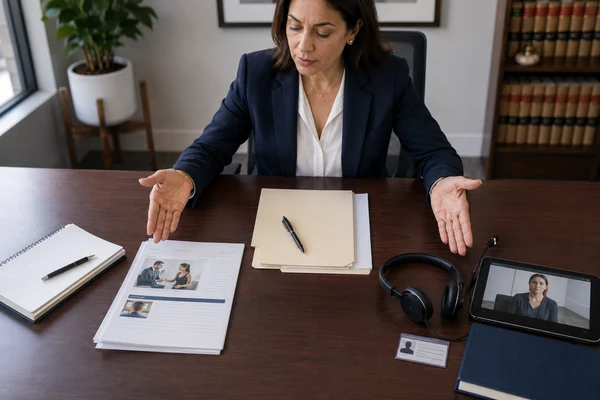
Both can be defensible. The right choice depends on the language, the case type, and whether a qualified clinician speaks the language at a clinical level, not a conversational one. A bilingual psychologist removes a layer of relay and reads tone, hesitation, and idiom directly. A trained interpreter is the standard when no clinician speaks the language, which covers most cases outside Spanish.
Here is how the common options compare on the one axis attorneys care about, whether the report holds up.
| Approach | How it works | Court-defensibility risk | Best fit |
|---|---|---|---|
| Bilingual forensic psychologist | Clinician evaluates directly in the client’s language | Low, when fluency is documented | A clinician speaks the language at a clinical level |
| Trained professional interpreter, consecutive | Neutral third party interprets every utterance in turn | Low, when credentials and method are documented | Less common languages, or when no clinician is fluent |
| Phone or video interpreter | Remote professional interprets by phone or video | Moderate, harder to read affect, tech can fail | Detention access, rural counties, tight timelines |
| Family member or friend, ad hoc | Untrained relative translates | High, confidentiality and accuracy failures | Never, for a forensic report |

Should a Family Member Ever Interpret?
No, not for an evaluation headed into an immigration file. The accuracy cost is measurable. A 2012 study in Annals of Emergency Medicine found ad hoc interpreters, meaning family or friends, made errors of potential clinical consequence at nearly twice the rate of trained professionals, 22 percent versus 12 percent, with untrained help barely better than no interpreter at all.
The clinical risk is only half of it. In a VAWA case, the abuser is sometimes the only English speaker in the household. In a hardship case, a child gets asked to interpret a parent’s suicidal thinking. Both wreck confidentiality and both hand opposing counsel an easy line of attack. The national standards for interpreters in health care exist for exactly this reason.
Can Psychological Tests Hold Up in Another Language?
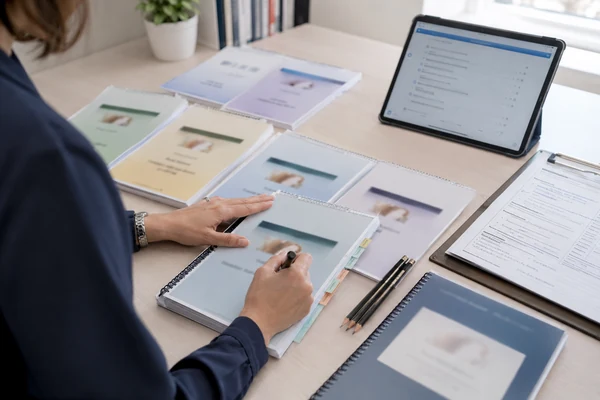
Only when the instrument is validated in that language and the report says so plainly. This is where most language-barrier evaluations quietly fall apart. Many symptom measures have properly validated Spanish versions. Many other tests, in many other languages, do not, and giving an English test through live interpretation changes the standardized conditions the test’s norms were built on.
A defensible report names the tests, states the language each was given in, and flags any instrument that lacked a validated translation as a limitation. The guidelines for translating tests from the International Test Commission set the bar. Skip that step and you have handed the other side a reason to move the report out, the same way forensic evaluations get excluded when the methodology reads thinner than the conclusions.
How a Language Barrier Gets a Report Challenged in Court
Opposing counsel rarely attacks the diagnosis first. They attack the language method, because it is easier and it taints everything downstream. The predictable openings: the interpreter’s qualifications were never documented, an ad hoc interpreter was used, tests were administered in English with no caveat, or the interpreter summarized instead of interpreting every word. Peer-reviewed guidance on using an interpreter in forensic interviews flags the same weak points.
We write with that scrutiny in mind because we live in it. Across the 1st, 2nd, 15th, 17th, 19th, and 20th judicial circuits, our reports get read by attorneys whose job is to find the soft spot. One of our neuropsychologists, Dr. Lauren Miller, also holds a law degree, which sharpens how the team writes for admissibility rather than for the chart.
What Attorneys Should Demand in the Report
A defensible language-barrier report names its own method instead of hiding it. Before you file, check that the report states:
- The interpreter’s name, language pair, and credentials, or the evaluator’s documented clinical fluency.
- That interpretation was consecutive, utterance by utterance, noted in the methods section.
- Which tests were used, in which language, and whether a validated translation existed.
- A limitations paragraph that addresses language and culture head on.
- A mental status exam read with language in mind, so a pause for interpretation or an unfamiliar idiom is not misrecorded as flat affect or evasiveness.
If any of those is missing, ask for it before submission. It is far cheaper to fix on the page than on the stand.
Evaluating Clients Held in ICE Detention
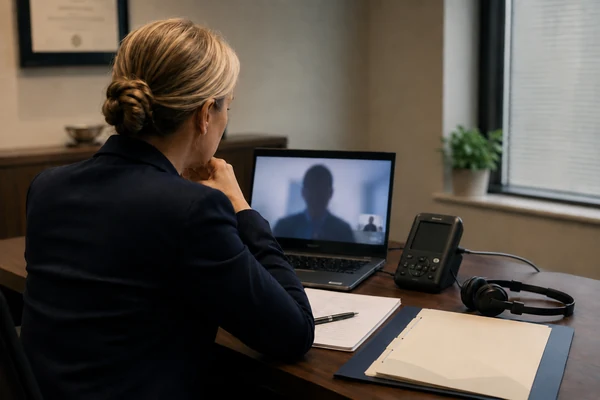
Language-barrier evaluations often happen where access is hardest, inside detention. Our psychologists have conducted evaluations in ICE detention, county jails, and state and federal correctional facilities across Florida, which is its own logistical problem when an interpreter has to be scheduled into a secure facility. In many settings a vetted video interpreter is the only workable option, and the report should say so and explain why. Preparing the client for that setting is part of the work, not an afterthought.
Where Language Access Stands
Across immigration case types, from extreme-hardship waivers and VAWA petitions to U and T visas, asylum, and cancellation of removal, the report rests on a non-English-speaking client’s own words, and reviewers scrutinize how those words were captured. Language access is largely the applicant’s own responsibility now. Since September 13, 2023, for example, affirmative asylum applicants must bring their own interpreter to the USCIS interview, and USCIS provides none except sign language.
Spanish is by far the most common language in immigration cases, but the harder ones are the less common languages, where a single misused word travels straight into the record. The evaluation is where an attorney still controls how language is handled. Use that control.
The language question is not a logistics footnote. Skilled opposing counsel probes it first, because if the words are in doubt, everything built on them is too. Document the method, and a non-English-speaking client’s immigration evaluation carries the same weight as any other. When you’re ready, you can request a retainer agreement and we’ll scope the language plan before we schedule.
Frequently asked questions
Do immigration evaluations for non-English speakers have to be in the client’s native language?
In practice, yes. The evaluation should be conducted either by a bilingual psychologist or through a professional interpreter, because the report is built on the client’s own account. Since September 2023, USCIS also requires affirmative asylum applicants to bring their own interpreter to the asylum interview, so language planning runs through the whole case.
Can a family member interpret during an immigration psychological evaluation?
No. A 2012 Annals of Emergency Medicine study found untrained interpreters made errors of clinical consequence at 22 percent versus 12 percent for professionals. Family members also break confidentiality and create role conflicts, which opposing counsel can exploit.
Are translated psychological tests valid for non-English speakers?
Only when the specific test has a validated translation and the report documents it. An English test delivered through interpretation changes the standardized conditions and must be flagged as a limitation, or it becomes a target on cross-examination.
Is a bilingual psychologist better than an interpreter?
It depends on the language and the case. A bilingual evaluator removes a relay step and reads affect directly, while a trained interpreter is the standard when no clinician speaks the language. Both are defensible when the method is documented.
Can the evaluation happen if my client is in ICE detention?
Yes. Our psychologists conduct evaluations in ICE detention, jails, and correctional facilities across Florida. Interpreter access in secure settings usually means a vetted video interpreter, which the report should note and explain.
How much longer does an interpreted evaluation take?
Our standard evaluation runs about 10 hours of professional time. Working through an interpreter adds to the interview portion.

Dr. Cathy Colet, Psy.D., is a Licensed Clinical and Forensic Psychologist and founder of FC PsychExperts in Jupiter, Florida. She provides expert witness testimony across criminal, family, and immigration law, with advanced training in competency evaluations, criminal responsibility, child custody assessments, and VAWA hardship waivers.