
What Is The Real Value Of A Forensic Psychologist?
Written By: Michael Vale, Content Writer
Medically Reviewed By: Dr. Cathy Colet, Psy.D., Licensed Psychologist
Last Reviewed: June 14, 2026
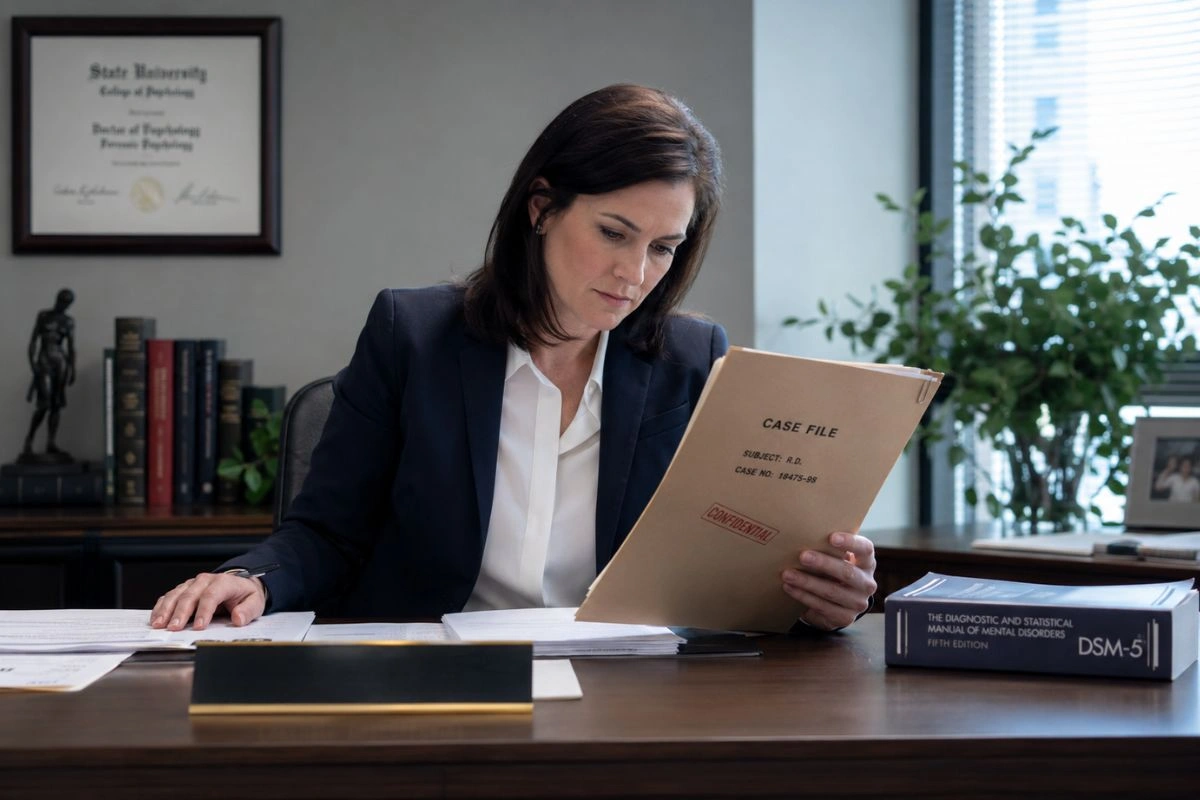
A forensic psychologist’s value comes down to one thing. They give a court better information for a high-stakes decision. They study a person’s mental state, run standardized tests, then explain what the results mean for the legal question at hand. In a custody fight, a competency hearing, or an injury claim, that opinion can shape what a judge decides.
The title by itself tells you almost nothing. A license to practice psychology does not make someone ready for court. The real value sits in the training, the methods, and whether the work survives when an opposing lawyer tries to pull it apart.
A forensic psychologist is a licensed psychologist with extra training in how psychology applies to legal questions. They assess matters like competency to stand trial, mental state, and risk of harm, then present their findings to courts, attorneys, and juries using standardized tests and accepted scientific methods.
What A Forensic Psychologist Actually Adds To A Case
They turn a fuzzy question into a documented, testable answer. “Is this person competent?” or “How much did the crash affect her thinking?” becomes something measured, not guessed.
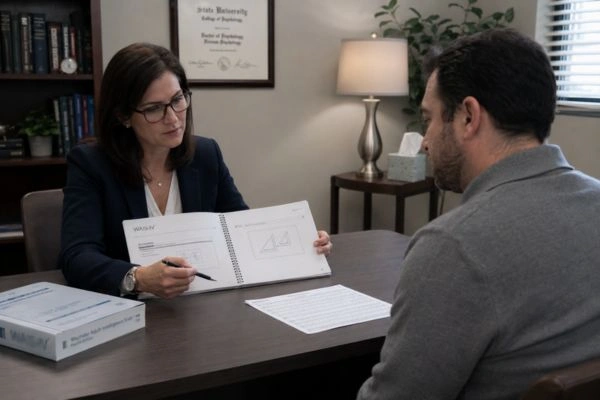
Most of that value lives in objective testing. A skilled evaluator uses standardized tools to measure memory, attention, mood, and effort, then ties the scores back to the legal issue. That gives attorneys far more than an opinion. It gives them data they can defend.
In criminal matters, the work might be a competency opinion or one of the violence risk assessments that help a court weigh release. In civil matters, it might mean showing how an injury changed the way someone thinks and functions. Different questions, same engine: test, document, explain.
Can A Forensic Psychologist Tell If Someone Is Lying?
No. This is the most common myth about the field, and the popular framing of it gets the answer backward.
A forensic psychologist does not decide who is telling the truth. That call belongs to the judge or the jury. What a good evaluator can do is test for effort and symptom validity. In plain terms, they use measures that flag when results look exaggerated or faked. They report what the data show and stop there. Anyone who promises to “prove” a person is lying is overselling, and the ethics rules in the field warn against that exact move.

How A Forensic Psychologist Differs From A Forensic Psychiatrist
The short version: a psychiatrist is a medical doctor, and a psychologist specializes in testing and assessment. Neither one is better. They add value in different ways.
A forensic psychiatrist is a medical doctor, so a forensic psychiatrist’s role centers on diagnosis tied to medication and physical illness. A forensic psychologist’s strength is measurement, using validated tests to map how a mind is working. Many strong cases use both.
| Forensic psychologist | Forensic psychiatrist | |
| Background | Doctoral degree in psychology | Medical degree (MD or DO) |
| Main strength | Psychological and cognitive testing | Medical and medication questions |
| Common tools | Standardized cognitive and personality tests | Clinical exams and medication review |
| Can prescribe medication | No, in most settings | Yes |
| Best fit | Competency, risk, cognitive effects, custody | Diagnosis tied to medication or illness |
Actually, framing it as a contest misses the point. The better question is which type of expertise your specific legal question needs.

The Biggest Mistake People Make When Hiring An Expert
Assuming any licensed psychologist can do forensic work. They can’t, at least not well.
Forensic work is its own skill set. It takes training in legal standards, real practice writing reports for court, and experience holding up under cross-examination. A clinician can be wonderful in a therapy room and still hand over a report that gets excluded. That gap is exactly how forensic psychologists differ from general clinicians, and it’s why board certification through the American Board of Forensic Psychology carries weight.
We see the pattern often. An attorney hires a familiar name, the report lacks forensic rigor, the other side moves to strike it, and the case loses ground it can’t win back.
Will The Testimony Hold Up In Court?
Only if the methods are sound. Florida courts apply a reliability test before an expert can testify, and a polished resume will not rescue weak science.
Under Florida’s evidence rules, an expert opinion is allowed only when three things are true. It rests on enough facts or data. It uses reliable principles and methods. And those methods are applied correctly to the facts of the case. That standard is the real source of a forensic psychologist’s value. When the work is built to pass it, the testimony stands. When it isn’t, a single hearing can throw the whole opinion out.
What Changed For Florida Forensic Evaluators In 2026
The bar went up. Florida tightened the rules for court-appointed evaluators, and the change matters for anyone choosing one.
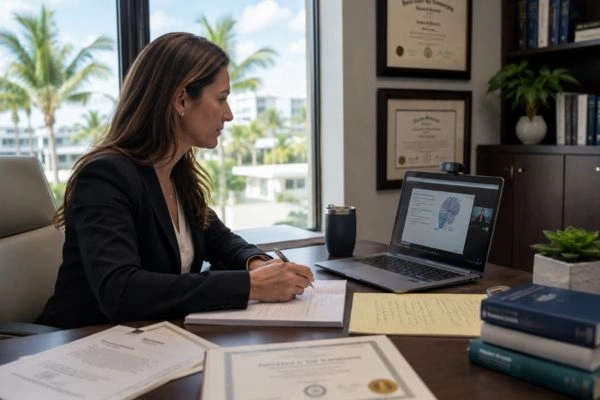
Evaluators who were on the state’s list as of July 2024 must finish annual forensic evaluator training by July 1, 2026, or come off the approved list. The required training now covers competency restoration, evidence-based practice, and least-restrictive treatment options. The need for this expertise is climbing too. Federal labor data projects psychologist jobs to grow 6 percent from 2024 to 2034, faster than the average job, with about 12,900 openings a year. For people picking an expert, the new rule is a quiet win. Ongoing competence is now a floor for court work in the state, not a bonus.
Where Forensic Psychologists Add Value Beyond Criminal Court
Far more than crime shows suggest. The popular picture treats forensic psychology as a criminal-court job, and that picture is too small.
A large share of the work is civil. These experts evaluate parents in custody and visitation disputes. They measure how an injury affects thinking and memory in personal injury and other medico-legal cases. They assess disability claims and fitness for duty. In South Florida, where many cases involve more than one language, cultural and language fit can decide how accurate an evaluation really is. A practice such as FC Psych Experts works across both criminal and civil matters, which is much closer to what the field looks like day to day.
How To Choose A Forensic Psychologist Who’s Worth It
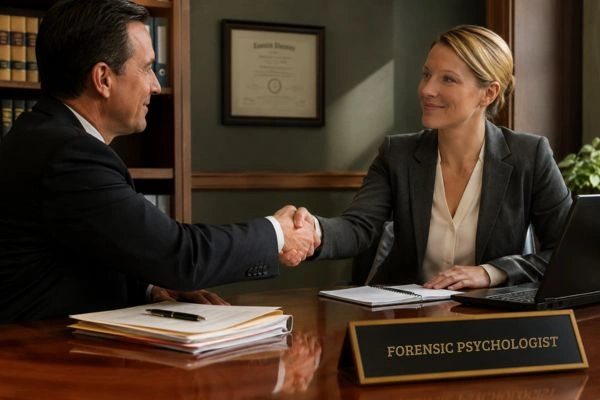
Start with the question your case turns on, then find the expertise that matches it. Ask about forensic training, not only a license. Ask how many cases like yours the expert has handled. Ask how the opinion will hold up if it gets challenged. That kind of clear, well-researched guidance is what you get when subject knowledge meets an experienced team that understands how people actually search for answers. Match the right specialist to the right question, and a forensic psychologist becomes one of the strongest parts of a case. Skip that step, and the same title can quietly turn into a liability.
Frequently Asked Questions
What does a forensic psychologist do?
A forensic psychologist applies psychological testing and assessment to legal questions. They evaluate matters like competency to stand trial, mental state, and risk, then explain the findings to courts and attorneys. Their opinions rest on standardized tests and accepted scientific methods, not personal hunches.
What is the difference between a forensic psychologist and a forensic psychiatrist?
A forensic psychiatrist is a medical doctor who can address diagnosis and medication, while a forensic psychologist specializes in psychological and cognitive testing. Neither one is superior. The right choice depends on whether your legal question is mainly medical or mainly about measuring how a person thinks and functions.
Can a forensic psychologist tell if someone is lying?
No. A forensic psychologist does not decide who is telling the truth, since that judgment belongs to the judge or jury. They can test for effort and symptom validity, which flags results that look exaggerated or faked, and then report what the data show.
What qualifications should a forensic psychologist have?
Look for a licensed psychologist with specialized forensic training, court experience, and ideally board certification through the American Board of Forensic Psychology. In Florida, court-appointed evaluators must also complete state-approved initial and annual training, with a July 1, 2026 deadline for existing evaluators to finish their annual update.
Is a forensic psychologist’s testimony admissible in court?
It can be, but it must meet a reliability standard. Under Florida’s evidence code, an expert opinion is admissible only if it is based on sufficient facts or data, uses reliable methods, and applies those methods correctly to the case. Opinions built on weak methods are often challenged and thrown out.
Do forensic psychologists only work on criminal cases?
No. Much of the work is civil, including custody and visitation evaluations, personal injury and medico-legal assessments, disability claims, and fitness-for-duty reviews. Demand across the field is rising, with federal data projecting 6 percent growth in psychologist jobs from 2024 to 2034.
```html
Dr. Cathy Colet, Psy.D., is a Licensed Clinical and Forensic Psychologist and founder of FC PsychExperts in Jupiter, Florida. She provides expert witness testimony across criminal, family, and immigration law, with advanced training in competency evaluations, criminal responsibility, child custody assessments, and VAWA hardship waivers.