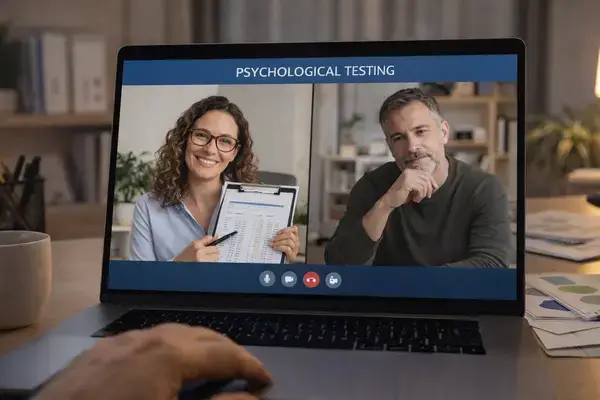
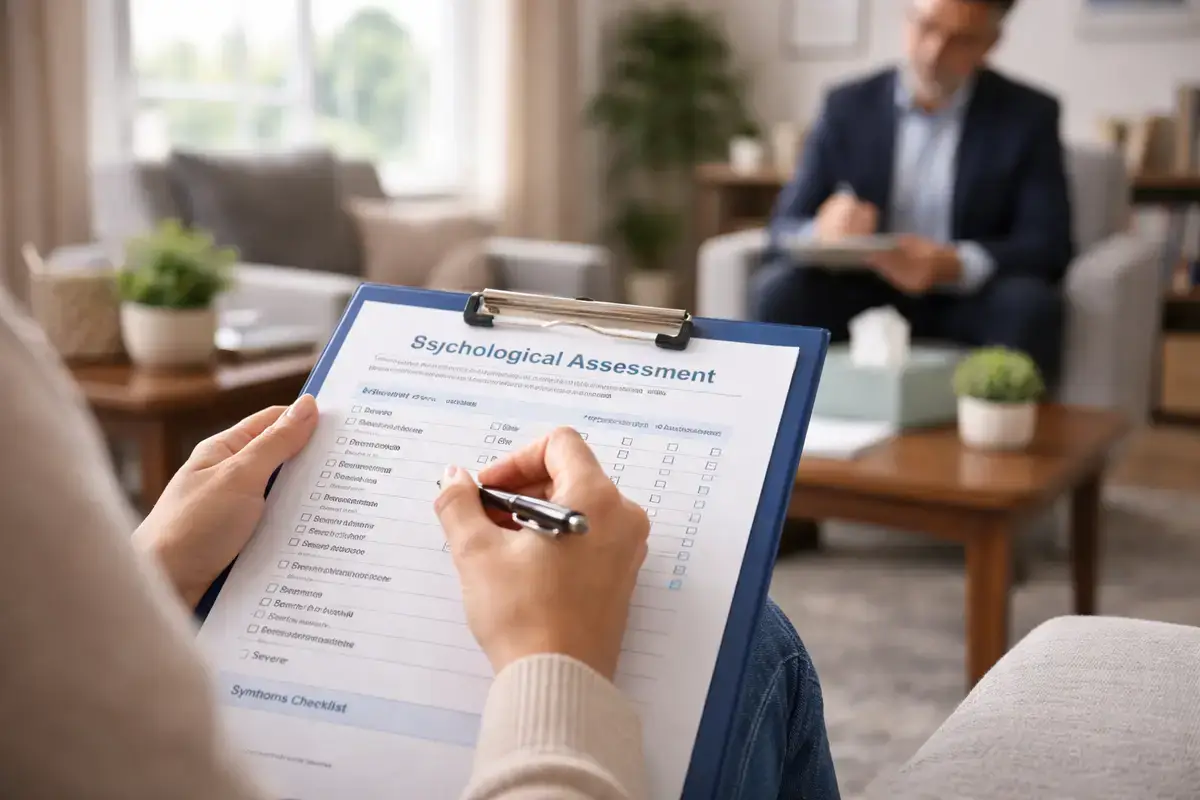
“Hiring Licensed Psychologists – Contact Us Today”
Woman undergoing immigration evaluation process

How To Prepare For An Immigration Evaluation

An immigration evaluation is a comprehensive mental health assessment conducted by a licensed psychologist or clinical professional to document your psychological state, trauma history, and emotional well-being for immigration legal proceedings. This evaluation provides critical evidence supporting applications for asylum, VAWA petitions, extreme hardship waivers, U-visas, and other immigration relief cases.

What to expect: The process typically includes a 2-3 hour clinical interview covering your mental health history, standardized psychological testing (such as trauma screening tools and depression inventories), diagnostic assessment if applicable, and a detailed written report meeting legal standards for immigration submission.

Preparation steps: Before your evaluation, gather documentation of relevant experiences, practice describing traumatic events if applicable, arrange for language interpretation if needed, and implement stress management techniques like deep breathing or mindfulness. Select a clinician with specific immigration evaluation experience, fluency in your preferred language, and demonstrated cultural competence with immigrant communities.

Timeline and outcomes: Most evaluations are completed within 2-4 weeks from initial consultation to final report delivery. The resulting psychological report becomes part of your immigration application package, providing expert evidence that helps immigration authorities understand the mental health factors relevant to your case.

Woman receiving immigration evaluation consultation

Understanding Immigration Evaluations

An immigration evaluation is a thorough mental health assessment conducted by licensed professionals. These evaluations examine an individual’s psychological and emotional state comprehensively. The assessment determines fitness for various immigration-related legal proceedings. Mental health clinicians use standardized methods to ensure accurate results. The process helps immigration authorities make informed decisions about cases.

Purpose of the Assessment

Immigration evaluations serve multiple critical functions in legal proceedings. They document the psychological impact of past trauma or hardship. The assessment provides evidence supporting various immigration applications and petitions. Mental health professionals evaluate current emotional stability and coping mechanisms. These evaluations become essential components of legal case documentation. The findings help demonstrate the need for humanitarian protection or relief. Qualified clinicians present objective psychological evidence to support immigration claims.

Woman taking deep breath before evaluation

How to Prepare Mentally for Your Immigration Evaluation

Before Your Immigration Evaluation

Protecting your mental health matters during the immigration evaluation process. This assessment can create significant stress for many people. Consider adding relaxation techniques to your daily habits. Mindfulness exercises and deep breathing help manage emotional well-being effectively.

Creating a support network provides essential comfort during this journey. Lean on trusted family members and friends who understand your situation. Sharing your thoughts with caring people offers therapeutic relief and reduces isolation. Having someone listen without judgment makes the process more manageable.

Don’t hesitate to contact a mental health professional with questions or concerns. These experts provide valuable guidance about the immigration evaluation process. They offer coping strategies tailored to your specific needs. Professional support helps you navigate emotional challenges with greater confidence. Mental health specialists understand the unique pressures of immigration assessments. Their insights prepare you for what to expect during your evaluation.

After Your Immigration Evaluation

You invested considerable time and energy preparing for this important assessment. Allow yourself to rest once the immigration evaluation concludes. Taking a break helps your mind and body recover fully.

Engage in activities that bring genuine peace and relaxation to your life. Pursue hobbies you enjoy or explore new interests that uplift your mood. Limit exposure to content that triggers stress or anxiety during this period. Reduce time spent watching distressing news or participating in stressful conversations.

Focus on positive and encouraging content that supports your emotional recovery. Prioritize self-care activities that restore your mental balance and energy. Give yourself credit for completing this challenging step in your journey. Remember that rest is productive and necessary for your overall well-being.

Woman receiving professional immigration evaluation

What Happens During an Immigration Evaluation

The evaluation process differs based on individual circumstances and case requirements. Most immigration evaluations follow a standard structure with several key components.

Initial Clinical Interview

A licensed psychologist conducts a thorough clinical interview with the individual. This conversation explores mental health history and current psychological symptoms. The clinician asks about relevant life experiences that impact well-being. Questions focus on understanding how past events affect present functioning. This interview forms the foundation for the entire evaluation process.

Psychological Testing Phase

Standardized psychological tests measure cognitive and emotional functioning objectively. Common assessments include diagnostic instruments that evaluate personality patterns and symptoms. Depression inventories help identify mood-related concerns requiring documentation. Trauma screening tools assess the presence and severity of stress reactions. These tests provide scientific data to support clinical observations. Results offer measurable evidence of psychological conditions affecting the individual.

Clinical Diagnosis Process

The evaluating psychologist reviews all gathered information to form conclusions. When appropriate, a formal psychological diagnosis may be established. The clinician assesses symptom severity and how it impacts daily life. This diagnosis must meet established clinical criteria for validity. Documentation explains how symptoms create genuine distress or functional limitations. The diagnosis connects psychological conditions to immigration circumstances when relevant.

Functional Impact Assessment

The psychologist evaluates how mental health conditions affect daily functioning. This includes assessing work capability, relationship management, and self-care abilities. The evaluation determines whether psychological symptoms create substantial impairment. Clinicians document specific examples of functional limitations in real-world settings. This section demonstrates the practical impact of mental health conditions. Evidence shows how symptoms affect the ability to complete necessary activities.

Comprehensive Written Report

A detailed psychological report summarizes all evaluation findings and conclusions. This document includes test results, clinical observations, and diagnostic impressions. The report explains how psychological factors relate to immigration matters. Written in professional language, it meets legal and clinical standards. This report becomes part of the immigration application or court submission. The document provides immigration authorities with expert psychological evidence for consideration.

Woman researching professional immigration evaluation services

How to Select the Right Professional for Your Immigration Evaluation

Choosing the right clinician for your immigration evaluation directly impacts the quality and accuracy of your assessment. This decision requires careful consideration of several important factors. The professional you select will document your mental health history and current psychological state. Their expertise shapes how effectively your evaluation supports your immigration case.

Consider Language Compatibility

Select a therapist who speaks your preferred language fluently. Communication barriers can prevent you from expressing your experiences fully and accurately. When you speak in your native language, you convey emotional nuances more effectively. This comfort level allows you to share sensitive information without hesitation. Language compatibility ensures nothing gets lost in translation during your assessment. Your clinician should understand cultural contexts that influence your mental health experiences. Feeling understood in your own language creates a foundation for honest dialogue.

Verify Professional Qualifications

Always choose a therapist with specific experience in immigration psychological evaluations. These assessments require specialized knowledge beyond general clinical practice. Look for professionals who understand immigration law requirements and documentation standards. Their expertise ensures your evaluation meets legal criteria for submission. Qualified clinicians know which psychological factors immigration authorities consider most relevant. They can identify and document trauma, hardship, and mental health conditions appropriately. Experience with immigration cases means they anticipate what your application requires.

Prioritize Cultural Competence

Your evaluator should demonstrate a genuine understanding of immigrant experiences and challenges. Cultural competence means recognizing how immigration trauma affects mental health. The right professional approaches your evaluation with empathy rather than judgment. They understand systemic barriers immigrants face and how these create psychological stress. Mental health impacts every aspect of the immigration process, from decision-making to family dynamics. Compassionate clinicians create safe spaces where you feel respected and heard. This understanding allows them to capture your complete psychological profile accurately.

Conclusion

Immigration evaluations represent a crucial step in many legal proceedings, providing professional documentation of your psychological well-being and trauma history. Throughout this process, prioritize your mental health by implementing stress management techniques, building a supportive network, and maintaining open communication with qualified professionals. The comprehensive assessment, including clinical interviews, standardized testing, and detailed reporting, creates essential evidence for your immigration case. Selecting an experienced clinician with appropriate language skills and cultural competence ensures your experiences are documented accurately and compassionately. After completing your evaluation, allow yourself time to recover and engage in restorative self-care activities. Remember that this assessment serves as powerful testimony to your experiences and strengthens your path toward legal relief. With proper preparation and professional guidance, you can navigate this challenging process while protecting your emotional well-being.

FAQs

How long does an immigration evaluation typically take?

Most immigration evaluations require 2-3 hours for the clinical interview and psychological testing. The entire process from initial consultation to receiving your final written report typically takes 2-4 weeks, depending on the clinician’s schedule and the complexity of your case.

Do I need to speak English for my immigration evaluation?

No, you don’t need to speak English. Select a clinician who speaks your preferred language fluently, or arrange for professional interpretation services. Communicating in your native language ensures you express your experiences accurately and capture important emotional nuances.

What documents should I bring to my immigration evaluation?

Bring any documentation related to your experiences, including medical records, police reports, court documents, previous psychological treatment records, and evidence of traumatic events. These materials help the clinician understand your history and provide comprehensive documentation.

Will my immigration evaluation information remain confidential?

Your evaluation is confidential and protected by standard mental health privacy laws. However, the psychological report will be shared with immigration authorities as part of your legal case. Discuss specific confidentiality concerns with your evaluating clinician beforehand.

Can an immigration evaluation guarantee my case will be approved?

No evaluation can guarantee approval, but a thorough psychological assessment provides crucial expert evidence supporting your application. The evaluation documents mental health factors that help immigration authorities understand your circumstances and make informed decisions about your case.

Psychoeducational assessment supporting child development

How Can A Psychoeducational Assessment Benefit My Child?

A psychoeducational assessment is a comprehensive evaluation that measures cognitive abilities, academic skills, and emotional factors affecting learning to identify your child’s specific strengths and challenges. This professional testing process typically involves three stages: an initial consultation with a licensed psychologist to gather background information, standardized testing sessions measuring visual processing, verbal reasoning, and problem-solving abilities, and a detailed results meeting with specific recommendations for home and school support.

The assessment benefits children by:

  • Identifying learning disabilities and ADHD through standardized cognitive and academic testing
  • Creating targeted interventions based on individual learning profiles rather than generic approaches
  • Providing classroom accommodations like extended testing time and specialized instruction
  • Strengthening parent-teacher collaboration through objective data and shared understanding

The evaluation process examines six core areas: cognitive skills (memory, reasoning, problem-solving), academic performance (reading, writing, math), visual-motor coordination (handwriting, copying tasks), language processing (comprehension, expression), and social-emotional factors (anxiety, attention, motivation). Testing typically occurs over several sessions to prevent fatigue, with results delivered in a comprehensive written report containing actionable strategies for supporting your child’s academic growth.

Psychoeducational evaluation helping a child

Understanding Psychoeducational Assessments

A psychoeducational assessment is a comprehensive evaluation examining cognitive, academic, and emotional factors that influence learning. Through this testing process, professionals identify strengths and challenges to develop personalized educational strategies. The evaluation provides detailed insights into how students process information and learn effectively.

How Cognitive Skills Are Measured

Cognitive testing evaluates core mental abilities that support learning and academic success. Professionals assess problem-solving capabilities, memory retention, and logical reasoning during this process. These measurements reveal how students think, process information, and apply knowledge to tasks. Understanding cognitive functioning helps identify specific learning patterns and potential difficulties. Results guide educators in creating instruction methods that match each student’s thinking style.

Evaluating Academic Performance

Academic assessment examines fundamental skills across reading, writing, spelling, and mathematics. Testing reveals current proficiency levels and identifies areas needing additional support or enrichment. Evaluators compare performance to age and grade expectations to determine achievement gaps. This component highlights specific academic strengths students can leverage in their education. Identifying weaknesses early allows for timely intervention and targeted skill development.

Assessing Visual-Motor Coordination

Visual-motor testing determines how effectively students coordinate what they see with physical responses. This skill affects handwriting, copying from boards, organizing written work, and completing timed tasks. Difficulties in this area can impact academic performance despite strong intellectual abilities. Testing helps distinguish between learning challenges and coordination difficulties affecting school performance. Understanding these connections ensures students receive appropriate accommodations and support strategies.

Understanding Speech and Language Processing

Language assessment evaluates how students comprehend spoken information and express their thoughts verbally. Testing examines vocabulary development, sentence structure understanding, and communication effectiveness. Professionals identify whether language difficulties contribute to academic struggles or social challenges. Strong language processing supports reading comprehension, written expression, and classroom participation. Identifying language-based learning differences allows for specialized instruction that builds these essential skills.

Examining Social-Emotional Factors

Social-emotional evaluation explores how feelings, behavior, and relationships impact learning and school success. Assessors consider anxiety, attention, motivation, and self-regulation in the educational context. Emotional factors can either support or hinder academic achievement and classroom engagement. Understanding these influences helps create supportive environments that address the whole student. Comprehensive assessment recognizes that learning happens best when emotional needs are acknowledged and addressed.

Parent discussing child assessment with psychologist

Understanding the Evaluation Process

A psychoeducational assessment follows a structured approach to understand your child’s learning strengths and needs. The process includes multiple stages that work together to create a complete picture. Each step provides valuable information about how your child learns best. This comprehensive approach ensures accurate identification of any learning challenges. The systematic evaluation helps families and educators develop effective support strategies.

1. Meeting with a Professional

The process begins when a licensed psychologist meets with parents to gather essential background information. During this initial meeting, developmental milestones and educational history are discussed in detail. The professional asks about any family patterns related to learning difficulties. This conversation helps establish a foundation for the upcoming evaluation. Parents share observations about their child’s academic performance and learning behaviors. The psychologist uses this information to select appropriate assessment tools. This collaborative discussion typically takes one to two hours to complete.

2. Conducting the Full Evaluation

The assessment uses multiple standardized testing methods to measure cognitive abilities and academic skills accurately. Visual processing tests examine how the child interprets and uses visual information. Verbal reasoning tasks measure language comprehension and expression abilities. Phonological processing assessments evaluate how the child handles sounds in spoken language. Problem-solving activities reveal critical thinking and reasoning capabilities. These varied tests provide insight into different aspects of learning and cognition. The testing process typically occurs over several sessions to prevent fatigue.

3. Sharing Results and Next Steps

After completing all assessments, the psychologist analyzes the data and prepares a detailed written report. Parents and teachers receive this comprehensive document outlining all findings from the evaluation. The report includes specific recommendations tailored to address the child’s unique learning profile. Practical strategies for supporting academic growth are provided for both home and school settings. A feedback meeting allows families to ask questions and clarify any concerns. This session ensures everyone understands the results and how to implement suggested interventions. The psychologist remains available for follow-up consultations as the child progresses.

 Assessment guiding child learning support

How Psychoeducational Assessments Strengthen Your Child’s Learning

Understanding your child’s unique learning profile creates powerful opportunities for growth. When parents and educators unite around detailed assessment insights, children receive truly personalized support. A psychoeducational assessment delivers concrete advantages that transform educational experiences.

Pinpointing Learning Challenges

When children struggle with specific academic tasks, assessment results provide clear answers. The evaluation can identify learning disabilities that affect reading, writing, or mathematics. It can also diagnose ADHD when attention and focus create barriers to learning. These diagnoses remove guesswork and replace confusion with actionable direction. Parents gain clarity about why their child faces certain difficulties. Teachers receive specific information to adjust their instructional approaches effectively.

Creating Targeted Support Strategies

Testing results reveal both strengths and areas needing additional support simultaneously. This balanced perspective allows professionals to design interventions that build on existing capabilities. Children benefit from strategies matched precisely to their learning needs. Rather than generic approaches, families access customized techniques that address specific challenges. The assessment data guides the selection of tools and methods proven effective. Support becomes strategic rather than experimental, saving valuable time and reducing frustration.

Improving Academic Outcomes

The psychoeducational assessment generates specific recommendations that enhance classroom success. Accommodations such as extended testing time help students demonstrate their true knowledge. Specialized instruction targets skill gaps while maintaining grade-level curriculum exposure. Tutoring recommendations focus on areas where intensive support produces maximum benefit. These modifications level the playing field without lowering academic standards. Students gain confidence as appropriate supports remove unnecessary barriers to achievement.

Strengthening Home-School Partnerships

The comprehensive evaluation report serves as a roadmap for collaborative planning. Parents and teachers can reference objective data when making educational decisions together. This shared understanding eliminates conflicting approaches that confuse children. Communication becomes more productive when everyone speaks from the same foundational knowledge. Customized learning plans emerge naturally from frank discussions about assessment findings. The child receives consistent support across all learning environments, amplifying intervention effectiveness.

Conclusion

A psychoeducational assessment provides the clarity and direction needed to unlock your child’s full academic potential. This comprehensive evaluation removes uncertainty by identifying specific learning challenges and revealing cognitive strengths that can be leveraged for success. With detailed insights from standardized testing, parents and educators can replace trial-and-error approaches with evidence-based interventions tailored to your child’s unique needs. The assessment creates a foundation for meaningful collaboration between home and school, ensuring consistent support across all learning environments. Beyond identifying difficulties, this process empowers families with actionable strategies that build confidence and reduce frustration. When children receive accommodations and instruction matched to their learning profile, they experience the success they deserve. Investing in a psychoeducational assessment is investing in your child’s educational future and long-term well-being.

FAQs

At what age should my child be for a psychoeducational assessment?

Children can be assessed as early as age 4, though most evaluations occur between ages 6-16 when academic demands increase. Early assessment helps identify learning differences before frustration develops, while evaluations during middle or high school can reveal challenges that emerge with more complex coursework.

How long does a psychoeducational assessment take?

The complete process typically spans 2-4 weeks from initial consultation to results meeting. Testing sessions usually total 4-8 hours spread across multiple appointments to prevent fatigue. The psychologist then needs additional time to analyze results and prepare a comprehensive written report with recommendations.

Will my child’s school accept the assessment results?

Most schools accept psychoeducational assessments from licensed psychologists when creating Individualized Education Programs (IEPs) or 504 plans. The evaluation should follow current professional standards and include standardized testing. Schools may conduct their own assessments, but private evaluations often provide more comprehensive insights.

How much does a psychoeducational assessment cost?

Assessment costs typically range, depending on the scope of the evaluation and your location. Some insurance plans cover testing when medical necessity is established, particularly for an ADHD diagnosis. Many practices offer payment plans, and some nonprofit organizations provide reduced-cost assessments for qualifying families.

How often should my child be reassessed?

Reevaluation is generally recommended every 3-5 years as children develop and academic demands change. More frequent assessment may be needed if interventions aren’t producing expected results or if new concerns emerge. Regular reassessment ensures support strategies remain aligned with your child’s evolving needs.

Forensic psychologist supporting child custody cases

Why Hire A Forensic Psychologist In A Child Custody Case?

Forensic psychologists conduct court-ordered evaluations in child custody disputes by assessing parent-child relationships, mental health, and parenting capabilities through interviews, psychological testing, and behavioral observations. Their comprehensive reports provide judges with expert recommendations about custody arrangements and visitation schedules that serve children’s best interests.

Key considerations when deciding:

  • Primary benefits: These specialists bring an objective, trained assessment of the child’s psychological needs and family dynamics. Courts heavily weigh their expert evaluations when determining custody arrangements. Their neutral stance helps resolve conflicting parental claims through systematic evaluation rather than allegation.
  • Important limitations: Costs typically range from several thousand dollars for evaluations plus court testimony fees. The process adds 2-6 months to proceedings while assessments are completed. Judges retain final authority and may reach different conclusions despite expert recommendations. When one parent challenges findings, competing expert testimonies can further complicate and extend cases.
  • Best suited for: High-conflict cases involving disputed mental health allegations, complex family dynamics, or significant disagreements about parenting capabilities where objective expert assessment proves essential for court decision-making.

The decision requires balancing the value of specialized psychological insight against financial costs, timeline extensions, and understanding that expert opinions inform but don’t determine judicial outcomes.

Couple forensic psychologist for custody

What Does a Forensic Psychologist Do?

A forensic psychologist applies specialized psychology knowledge to evaluate family situations involving children. These professionals assess the mental health and capabilities of parents and children during disputes. Their expert evaluations help determine custody arrangements and visitation schedules that serve children’s best interests. They provide crucial recommendations about parenting time and child support matters. Their role centers on protecting child welfare through comprehensive psychological assessment.

These specialists conduct thorough evaluations using multiple assessment methods and professional tools. They interview parents and children to understand family dynamics and individual needs. Psychological testing reveals the mental health status and parenting capabilities of all parties involved. Direct observations provide insights into parent-child interactions and relationship quality. They may gather additional information from teachers, doctors, or other relevant parties. This comprehensive approach ensures accurate evaluation of each family’s unique situation.

The evaluation process examines numerous factors affecting child welfare and family functioning. Forensic psychologists assess the quality and strength of parent-child relationships in each household. They evaluate each parent’s capacity to meet children’s emotional and physical requirements. The child’s developmental stage and expressed preferences receive careful consideration during assessments. Any history of neglect or harmful treatment undergoes thorough investigation and documentation. Parent mental health stability and overall functioning are carefully examined and documented. The potential effects of different custody arrangements on children are analyzed systematically. These professionals consider how proposed changes might impact child development and well-being.

Benefits of Working with a Forensic Psychologist

Forensic psychologists bring specialized training in evaluating children’s psychological and emotional needs. They assess mental health functioning in both parents and children throughout custody proceedings. Their professional evaluations provide detailed insights into what children need for healthy development. Courts rely on these expert assessments to make informed decisions about custody arrangements. Recommendations for parenting schedules reflect a deep understanding of child psychology and development. These professionals help ensure custody decisions prioritize children’s emotional and psychological well-being. Their expertise guides the creation of arrangements that support healthy family relationships.

These specialists approach every case with professional neutrality and trained objectivity. They evaluate all relevant information and evidence without favoring either parent. Their assessments consider multiple perspectives and sources of information about family functioning. Professional training ensures accurate reporting of psychological findings to the court system. This objectivity proves especially valuable when parents make conflicting claims about each other. Independent expert assessment helps courts distinguish facts from allegations in disputed matters. Their methodical evaluation process reduces bias and promotes fair outcomes for families. The forensic psychologist’s neutral stance helps courts receive reliable information for decision-making.

Forensic psychologist evaluating couple for custody

Understanding When a Forensic Psychologist May Not Be the Right Choice

Hiring a forensic psychologist involves several important considerations that require careful evaluation. Understanding both advantages and limitations helps families make informed decisions during challenging legal situations. It is also important to assess the professional’s experience with similar cases, familiarity with court procedures, and ability to communicate findings clearly to legal professionals. Taking the time to review credentials and expectations can help ensure the evaluation supports the specific needs of the case.

Financial Considerations

Forensic psychologists charge substantial fees for their comprehensive services throughout the legal process. These professionals bill for initial evaluations, detailed report preparation, and potential court testimony. Costs can escalate rapidly when cases extend over longer periods or require multiple assessments. Families should carefully evaluate their financial resources before committing to these services. The total expense often becomes a significant factor in deciding whether to pursue this option. Budget constraints may make these services inaccessible for some families seeking professional psychological input.

Time and Process Delays

Involving a forensic psychologist can extend the duration of legal proceedings considerably. The evaluation process requires substantial time to complete thorough assessments and comprehensive reporting. Cases may experience delays while waiting for psychological evaluations to conclude and reports to finalize. When one party disputes the findings or recommendations, additional legal challenges often emerge. These disputes can add months to an already lengthy process. Families seeking quick resolutions may find this timeline frustrating and emotionally draining.

Expert Witness Dynamics

Legal proceedings sometimes involve one party hiring a forensic psychologist to strengthen their position. Accusations regarding mental health conditions like depression or anxiety sometimes prompt these expert evaluations. The accused party maintains the right to consult their own psychological expert for guidance. This expert provides professional opinions addressing specific allegations and parenting capabilities. Both sides presenting competing expert testimonies can create additional complexity in proceedings. Understanding this dynamic helps families prepare for potential scenarios they may encounter.

Court Decision Authority

Judges maintain final authority over decisions regardless of forensic psychologist recommendations or findings. Expert psychological opinions carry significant weight but do not determine case outcomes independently. Courts consider psychological assessments alongside numerous other evidence sources and relevant factors. Judges may interpret information differently or prioritize alternative perspectives when reaching conclusions. Other testimony, documentation, and circumstances influence final determinations about family arrangements. The forensic psychologist’s role remains advisory rather than decisive in these proceedings.

Conclusion

Deciding whether to hire a forensic psychologist for your child custody case requires careful consideration of your specific circumstances. These specialists provide invaluable objective assessments that courts trust when making custody determinations, particularly in high-conflict situations involving mental health concerns or complex family dynamics. However, families must weigh the significant financial investment, extended timelines, and understanding that expert recommendations inform rather than dictate judicial decisions. The most appropriate cases for forensic psychologist involvement typically feature substantial disagreements about parenting capabilities or contested mental health allegations where professional evaluation becomes essential. Ultimately, your decision should balance the potential benefits of expert psychological insight against practical considerations, including cost, time, and your case’s complexity. Consulting with your family law attorney can help determine whether this investment serves your child’s best interests.

FAQs

How much does a forensic psychologist cost in a custody case?

Forensic psychologists typically charge several thousand dollars for comprehensive evaluations, which include interviews, psychological testing, report preparation, and potential court testimony. Costs vary based on case complexity, the number of individuals evaluated, and whether court appearances become necessary. Some professionals charge hourly rates while others offer flat fees for specific services.

How long does a forensic psychological evaluation take?

The evaluation process typically extends 2-6 months from initial assessment to final report completion. This timeline includes scheduling interviews with parents and children, conducting psychological testing, gathering collateral information from relevant parties, analyzing results, and preparing comprehensive written reports. Complex cases involving multiple children or disputed findings may require additional time.

Can I refuse a court-ordered forensic psychological evaluation?

Refusing a court-ordered evaluation may result in serious legal consequences, including contempt of court charges or unfavorable custody decisions. Judges can interpret refusal as uncooperative behavior or having something to hide. If you have concerns about the evaluation process, discuss them with your attorney before the court issues an order.

What happens if I disagree with the forensic psychologist’s findings?

You have the right to hire your own forensic psychologist to provide a second opinion or counter-evaluation. Your attorney can challenge the methodology, credentials, or conclusions during court proceedings. However, understand that competing expert testimonies may complicate your case and extend the legal process while increasing overall costs.

Will the judge always follow the forensic psychologist’s recommendation?

No. Judges maintain final decision-making authority and consider forensic evaluations alongside other evidence, testimony, and legal factors. While courts generally give significant weight to expert psychological opinions, judges may reach different conclusions based on their interpretation of all available information and what they determine serves the child’s best interests.

Couple with forensic psychologist in consultation

What Does A Forensic Psychologist Do In A Family Law Case?

Forensic psychologist conducts custody evaluations, assess parental fitness, provide expert court testimony, and investigate abuse allegations in family law cases. They perform psychological testing, interview family members, review documents, and deliver objective assessments that help courts make child-centered decisions about custody arrangements, visitation schedules, and parenting plans.

Primary responsibilities include:

  • Custody evaluations: Comprehensive assessments examining parental capabilities, home environments, and children’s psychological needs to determine optimal living arrangements
  • Parental fitness assessments: Structured evaluations of each parent’s ability to provide safe, nurturing care, including analysis of parenting skills, emotional stability, and risk factors
  • Expert testimony: Court presentations explaining psychological findings and developmental principles that inform custody decisions
  • Abuse investigation: Specialized assessment techniques to evaluate allegations of abuse or neglect through interviews, observations, and testing
  • Mediation support: Facilitating parent negotiations by explaining child development principles and helping families reach agreements outside court

These professionals serve as neutral experts who prioritize children’s best interests in contested family disputes. Courts depend on their objective, evidence-based evaluations when making legally binding determinations about parental rights and child welfare. Their assessments typically require multiple sessions, standardized testing, home visits, and interviews with parents, children, and collateral contacts before producing comprehensive written reports for legal proceedings.

Forensic psychologist presenting evidence to judges

How Forensic Psychologists Support Family Law Cases

Forensic psychologists provide critical evaluations in family disputes, especially cases involving children. They apply specialized expertise to help courts make informed decisions about family matters. Their work includes conducting assessments, providing expert testimony, and facilitating dispute resolution between parents. Understanding their role helps families navigate complex legal proceedings more effectively.

Evaluating Child Custody Arrangements

Forensic psychologists perform detailed custody evaluations to identify the best parenting arrangements. They examine parental abilities and children’s mental health during family disputes. These experts use structured approaches, including interviews, psychological tests, and record analysis. Their assessments guide custody outcomes, visitation schedules, and parenting strategies. Each evaluation places the child’s welfare as the highest priority. Courts depend significantly on these professional assessments when reaching final custody decisions.

A forensic psychologist brings objective analysis to emotionally charged custody situations. They evaluate family dynamics, attachment patterns, and developmental needs of children. Their expertise helps ensure decisions support long-term child development and stability. The evaluation process typically involves multiple sessions with all family members. These professionals maintain neutrality while gathering comprehensive information about each parent’s capabilities. Their detailed reports provide courts with evidence-based recommendations for custody arrangements.

Determining Parental Capabilities

Assessing parental fitness is a key responsibility for forensic psychologists in family court matters. These professionals evaluate each parent’s ability to create safe, supportive environments for their children. They conduct thorough assessments that examine multiple factors affecting parenting quality. Risk identification serves as an essential component of these comprehensive evaluations. Forensic psychologists analyze parenting skills, emotional stability, and home environment safety during their assessments. They also review how parents meet their children’s physical and emotional needs consistently. The evaluation process includes examining parent-child interactions and communication patterns. These professionals observe how parents respond to their children’s developmental requirements and behavioral challenges. Courts rely on these findings to make informed, child-centered custody and visitation decisions.

The assessments deliver objective data about parenting capacity and any potential areas of concern. Forensic psychologists provide detailed reports that help judges understand each parent’s strengths and limitations. These evaluations ultimately protect children’s best interests while supporting fair legal outcomes. The assessment results guide courts in creating custody arrangements that promote children’s well-being and safety. Mental health professionals use standardized testing methods and clinical interviews throughout the evaluation process. Their expertise helps courts distinguish between effective parenting practices and concerning behavioral patterns.

Delivering Expert Court Testimony

Forensic psychologists present their findings and recommendations in court as expert witnesses. They explain complex psychological concepts to judges and other legal professionals. These experts translate technical terms into clear, understandable language for the courtroom. Their role involves breaking down developmental psychology principles that inform custody decisions.

Judges depend on these professional assessments to make informed determinations about family matters. The testimony helps courts understand how different arrangements may affect children’s well-being. These psychological evaluations provide crucial insights into parenting capabilities and family dynamics. Expert witnesses clarify the potential emotional and developmental impacts of various custody scenarios. Their objective analysis supports fair and informed judicial decisions. Courts rely on this specialized knowledge to protect children’s best interests. The forensic psychologist serves as a bridge between psychological science and legal proceedings.

Supporting Mediation and Negotiation Processes

Forensic psychologists provide valuable assistance during mediation proceedings between parents. They educate both parties about psychological principles that facilitate productive discussions. Their specialized knowledge helps parents understand what children need emotionally and mentally during difficult transitions. This expert guidance makes reaching fair agreements more achievable for everyone involved.

A forensic psychologist explains how children respond to family changes at different developmental stages. They clarify the psychological impact of various custody arrangements on a child’s well-being. Parents gain insight into age-appropriate coping mechanisms and adjustment periods. This information helps both parties make decisions that prioritize their child’s mental health. Understanding these factors reduces conflict and promotes cooperation between parents. The psychologist remains neutral while providing evidence-based information to guide the negotiation process. Their involvement often leads to solutions that serve the child’s best interests more effectively.

Investigating Abuse Claims

Child custody cases sometimes involve serious allegations of abuse or neglect between parents. These accusations require careful professional examination to determine their validity. A forensic psychologist applies specialized assessment methods to investigate these claims thoroughly. They use evidence-based techniques to establish whether the allegations hold merit. Their evaluation includes analyzing behavioral patterns and conducting detailed interviews with all parties involved. The psychologist examines documentation, reviews medical records, and considers the child’s statements carefully. This comprehensive approach helps courts understand the true nature of the situation. Professional assessment protects children while ensuring fair treatment for all family members. The forensic psychologist’s findings provide crucial guidance for custody decisions and child safety planning.

Supporting Additional Family Matters

Forensic psychologists contribute to numerous other family law situations requiring psychological expertise and assessment. They evaluate parental fitness in termination of parental rights cases involving abuse or neglect. These professionals assess family dynamics during contested guardianship proceedings for minor children. They provide expert opinions on the psychological effects of relocation on children during move-away cases. Forensic psychologists also evaluate mental health concerns in adoption proceedings and marriage annulment cases. Their comprehensive assessments address substance abuse issues, mental illness, and behavioral concerns affecting family stability. The court benefits from their ability to translate complex psychological concepts into clear recommendations. This specialized knowledge ensures legal decisions account for the psychological well-being of all parties involved.

Conclusion

Forensic psychologists serve as vital neutral experts in family law cases, providing objective assessments that prioritize children’s well-being above all else. Their comprehensive evaluations, combining psychological testing, interviews, home visits, and document review, deliver evidence-based insights courts need for informed custody decisions. Whether conducting parental fitness assessments, investigating abuse allegations, or facilitating mediation, these professionals apply specialized expertise to complex family disputes. Their expert testimony translates psychological findings into actionable recommendations for judges. By offering objective analysis in emotionally charged situations, forensic psychologists help ensure custody arrangements truly serve children’s best interests. Families navigating custody disputes benefit from understanding how these professionals contribute to fair, child-centered outcomes. If you’re facing a family law matter requiring psychological evaluation, consulting with experienced forensic psychology professionals can provide clarity and support throughout the legal process.

FAQs

What qualifications should a forensic psychologist have for family law cases?

Forensic psychologists should hold a doctoral degree in psychology, maintain active state licensure, and possess specialized training in forensic assessment methods. Look for professionals with specific experience in child custody evaluations, family systems, and developmental psychology. Board certification in forensic psychology demonstrates advanced expertise, though it’s not always required.

How long does a typical custody evaluation take?

Most custody evaluations require 4-8 weeks to complete, involving multiple sessions with parents and children. The process includes psychological testing, home visits, interviews with collateral contacts, and comprehensive report writing. Complex cases involving abuse allegations or high-conflict situations may require additional time for thorough assessment.

Can parents refuse a court-ordered forensic psychological evaluation?

While parents can technically refuse participation, doing so typically results in negative legal consequences. Courts may draw adverse inferences from non-compliance or make custody decisions without that parent’s input. Refusal can be interpreted as unwillingness to cooperate or as having something to hide, potentially harming your custody case.

How much does a forensic psychological evaluation cost in family law cases?

Custody evaluations typically range from $3,000 to $10,000 or more, depending on case complexity and geographic location. Costs vary based on the number of sessions required, psychological testing administered, and report detail. Some courts split costs between parents, while others assign payment responsibility based on financial circumstances or case outcomes.

Will my child need to testify or meet with the forensic psychologist?

Children typically meet with the forensic psychologist in age-appropriate settings designed to minimize stress. These sessions focus on understanding the child’s relationships, preferences, and emotional well-being rather than formal testimony. The psychologist uses child-friendly assessment techniques and ensures the experience feels safe and supportive, not interrogative.

Woman attending a psychology therapy session

Should I See A Counselor Or A Psychologist?

Choose a counselor for everyday challenges like stress, relationship issues, or life transitions requiring master’s-level support. Select a psychologist for complex mental health conditions, formal diagnoses, or psychological testing requiring doctoral-level expertise.

The decision between seeing a counselor or psychologist depends on your specific mental health needs and the complexity of your concerns. Counselors hold master’s degrees and specialize in supportive therapy for common life challenges, while psychologists possess doctoral degrees (Ph.D. or Psy.D.) and can diagnose mental health conditions, conduct psychological assessments, and treat complex psychological issues.

Key differences at a glance:

  • Education: Counselors complete master’s programs; psychologists complete doctoral programs
  • Diagnostic authority: Psychologists can formally diagnose all mental health conditions; counselors’ diagnostic capabilities vary by license
  • Treatment focus: Counselors address present-day stressors and emotional concerns; psychologists treat complex conditions requiring specialized intervention
  • Assessment capabilities: Psychologists conduct comprehensive psychological testing and evaluations

Both professionals require state licensure, follow strict ethical standards, and provide evidence-based therapeutic services to improve mental and emotional well-being. The right choice depends on evaluating your symptom severity, preferred treatment approach, professional credentials, and personal compatibility with your provider.

Comparison of counselor and psychologist roles

Choosing Between a Counselor and a Psychologist

Understanding the differences between counselors and psychologists helps you choose the right mental health support. Each professional offers distinct qualifications, training levels, and treatment methods for various psychological needs.

Understanding the Role of Counselors

Counselors complete master s-level education in counseling or similar behavioral health disciplines. They support clients facing life transitions by facilitating emotional exploration and self-discovery. These practitioners work with specific challenges, including substance dependency, stress relief, and anxiety concerns. Diagnostic authority varies based on individual licensure and regional practice regulations. Training for counselors prioritizes therapeutic dialogue and supportive intervention strategies. They emphasize actionable techniques rather than pharmaceutical treatment approaches. Many counselors concentrate on helping people manage present-day stressors and obstacles. Therapeutic sessions focus on developing practical tools for emotional balance and individual development.

Understanding the Role of Psychologists

Psychologists earn doctoral degrees in psychology (Ph.D. or Psy.D.). They possess advanced training in understanding human behavior and emotional patterns. These professionals can formally diagnose a wide range of mental health conditions. Psychologists use evidence-based therapy approaches to treat psychological and emotional concerns. They conduct psychological testing and assessments to evaluate mental health status. Many psychologists also engage in research to advance understanding of human cognition. Their extensive education allows them to address complex psychological issues. Treatment plans often incorporate multiple therapeutic modalities based on client needs. Psychologists work with individuals experiencing various levels of mental health challenges. Their specialized training enables them to provide comprehensive psychological care and support.

Woman consulting a psychologist in office

Understanding the Difference Between Counselors and Psychologists

Both counselors and psychologists work to enhance mental health and emotional well-being. These professionals share common goals but differ in training and treatment methods. Understanding these distinctions helps you choose the right mental health support.

How Counselors and Psychologists Are Similar

Mental health professionals share several important characteristics that define their practice standards. Here’s what counselors and psychologists have in common:

  • Both require advanced degrees in mental health or related disciplines. Educational requirements ensure practitioners have comprehensive knowledge before treating clients.
  • Professional licensure and certification are mandatory for both fields. Practitioners must complete clinical hours and pass rigorous examinations to practice legally.
  • Both provide therapeutic services designed to improve mental and emotional health. Treatment approaches may vary, but the goal remains consistent across professions.
  • Ethical standards govern both professions with strict professional guidelines. These standards protect clients and ensure confidential, unbiased care in safe environments.
  • Foundational training in human behavior and cognition benefits both fields. This knowledge helps professionals understand thought patterns, emotions, and behavioral responses effectively.

How Counselors and Psychologists Differ

While these professions overlap, key differences distinguish their scope and practice areas. Understanding these variations helps clarify which professional suits specific mental health needs.

  • Educational requirements differ significantly between the two professions. A psychologist must complete doctoral-level training, while counselors need master’s degrees.
  • Diagnostic authority varies based on training level and licensing restrictions. Psychologists can diagnose comprehensive mental health conditions, while a counselor’s diagnostic capabilities are limited.
  • Treatment focus reflects each profession’s training depth and specialization areas. Counselors address emotional concerns and behavioral challenges through supportive therapy techniques. Psychologists treat complex psychological conditions requiring in-depth assessment and specialized interventions.
  • Assessment capabilities distinguish psychologists from counselors in clinical practice. Psychologists receive extensive training in psychological testing and interpretation methods. This specialized training enables them to conduct comprehensive evaluations and assessments.

Choosing between a counselor and a psychologist depends on your specific needs. Both professionals offer valuable support for mental health concerns through evidence-based approaches.

Woman finding suitable mental health specialist

Selecting the Professional for Your Needs

Selecting the right mental health professional requires careful consideration of your specific needs. Understanding the differences between counselors and psychologists helps you make an informed choice. Use these guidelines to determine which professional best matches your situation.

Evaluate Your Mental Health Needs

Consider what challenges you currently face in your daily life. Counselors typically help with stress management, relationship concerns, and life transitions. They provide practical guidance and emotional support for everyday difficulties. Psychologists address more complex mental health conditions requiring deeper clinical intervention. Depression, anxiety disorders, trauma, and behavioral issues often require specialized expertise. Understanding the severity of your symptoms guides you toward appropriate care.

Explore Available Treatment Approaches

Different mental health professionals use varied therapeutic methods in their practice. Research the specific techniques that counselors and psychologists employ during sessions. Cognitive behavioral therapy, psychodynamic therapy, and solution-focused approaches each serve different purposes. Learning about these modalities helps you identify what aligns with your goals. Some conditions respond better to certain therapeutic frameworks than others. Matching your needs with the right approach increases your chances of success.

Verify Professional Credentials and Training

Check the qualifications of any mental health professional you consider working with. Review their educational background, licenses, and areas of specialized training carefully. Professional credentials indicate the level of expertise someone brings to treatment. State licensing boards maintain public records of qualified practitioners that you can access. Confirming credentials builds confidence that you will receive competent, ethical care. Working with properly trained professionals protects your well-being throughout the therapeutic process.

Assess Compatibility With Your Therapist

The therapeutic relationship significantly impacts treatment outcomes and your overall progress. You need to feel comfortable sharing personal thoughts and feelings openly. A good therapist listens without judgment and validates your experiences consistently. Trust develops when you feel respected and genuinely understood during sessions. Poor rapport can hinder progress regardless of a therapist’s qualifications. Schedule initial consultations to evaluate whether you connect with a potential provider. Your comfort level matters as much as professional credentials in therapy.

Conclusion

Choosing between a counselor and a psychologist ultimately depends on your unique mental health needs and treatment goals. Counselors provide valuable support for managing everyday stressors, relationship difficulties, and life transitions through practical, solution-focused approaches. Psychologists offer specialized expertise for complex mental health conditions, comprehensive diagnostic evaluations, and advanced psychological testing. Both professionals maintain rigorous ethical standards and deliver evidence-based care designed to improve your emotional well-being. Take time to assess your symptom severity, research available treatment modalities, and verify professional credentials before making your decision. Remember that finding the right therapeutic fit matters just as much as professional qualificationsSchedule consultations to evaluate compatibility and ensure you feel comfortable opening up. Your mental health journey deserves personalized care from a qualified professional who understands your specific needs and supports your path toward healing.

FAQs

Can counselors prescribe medication for mental health conditions?

No, counselors cannot prescribe medication regardless of their licensure level. Only psychiatrists, who are medical doctors, and certain advanced practice nurses can prescribe psychiatric medications. If your treatment requires medication, your counselor may refer you to a psychiatrist while continuing to provide therapeutic support alongside your medication management.

How long does therapy typically take with a counselor versus a psychologist?

Treatment duration depends on your specific concerns rather than the type of professional. Short-term issues like situational stress may resolve in 8-12 sessions with either provider. Complex conditions such as trauma or personality disorders often require months or years of treatment. Both counselors and psychologists develop individualized treatment plans based on your progress and goals.

Does insurance cover both counselors and psychologists equally?

Insurance coverage varies significantly by plan and provider network. Many insurance plans cover both licensed counselors and psychologists, though reimbursement rates may differ. Psychologists typically command higher session fees due to their doctoral training. Always verify coverage with your insurance provider and confirm that your chosen professional accepts your specific plan before beginning treatment.

What should I do if I’m unsure which professional to choose?

Start by contacting your primary care physician for a referral based on your symptoms. Many mental health clinics offer free consultations to help determine appropriate care levels. You can also call prospective providers directly to discuss your concerns and ask about their expertise. If you begin with one type of professional and your needs change, they can refer you to another provider.

Can I switch from a counselor to a psychologist during treatment?

Yes, you can transition between mental health professionals at any time during your care. Many people start with a counselor and later require psychological testing or more specialized intervention. Ethical practitioners facilitate smooth transitions by providing referrals and sharing relevant clinical information with your consent. Your well-being remains the priority, and changing providers to better meet your needs is completely appropriate.

A psychologist conducting a forensic evaluation.

What To Know About Forensic Evaluations In Child Custody Cases

Forensic evaluations in child custody cases are professional psychological assessments conducted by licensed mental health experts. These evaluations help courts make informed decisions about custody arrangements and parenting plans. Courts order forensic evaluations when concerns arise about domestic violence, substance abuse, or parenting capacity. Forensic evaluators must be licensed psychologists, psychiatrists, or clinical social workers with specialized training. They assess parenting skills, parent-child relationships, co-parenting ability, and any safety concerns affecting children. The goal is always to determine what custody arrangement serves the child’s best interests.

The evaluation process includes interviews, psychological testing, observations, and comprehensive document reviews by qualified professionals. The evaluator prepares a confidential report with custody recommendations based on clinical findings. These assessments typically take two to four months to complete from start to finish. Parents can request evaluations, attorneys can recommend them, or courts can order them independently. Understanding forensic evaluations helps parents prepare for the process and reduce anxiety during proceedings. Working with a family law attorney ensures parents know their rights during evaluation. Cooperation and honesty during the assessment lead to more accurate results for everyone involved.

A psychologist listening to a client.

How Do Forensic Evaluations Start in Child Custody Cases?

Forensic evaluations can begin through several different pathways in custody cases. A parent may formally request a forensic evaluation from the court. The child’s court-appointed attorney might recommend one based on case circumstances. The court itself can order an evaluation without any party requesting it. This independent court action is called sua sponte ordering authority. Each pathway serves to protect the child’s welfare during custody proceedings.

The scope of forensic evaluations differs based on each case’s unique factors. All evaluations result in a confidential report prepared for the court. This report includes official recommendations about child custody arrangements and parenting plans. These evaluations provide objective information rooted in clinical expertise and professional standards. Courts rely on this expert guidance when making final custody determinations. The information helps ensure decisions truly serve the child’s best interests.

The court may order a forensic evaluation when specific concerns arise. Common indicators include allegations of domestic violence between parents or caregivers. Substance abuse by one or both parents raises significant custody concerns. A diagnosed mental illness that affects parenting ability may trigger an evaluation. A parent’s plan to relocate with the child to another state warrants assessment. Questionable parenting practices or concerning behaviors also justify forensic evaluations. These indicators help courts identify cases needing expert professional input.

Qualifications Required for Forensic Evaluators

Courts generally follow specific guidelines when appointing forensic evaluators for custody cases. According to state law, only qualified professionals can conduct these critical assessments. Courts may appoint licensed psychologists who meet state certification requirements for practice. Licensed clinical social workers with proper credentials can also serve as evaluators. Psychiatrists licensed to practice are eligible for appointment as well. All potential evaluators must hold current, active licenses in good standing.

Evaluators typically complete specialized training in domestic violence and child abuse topics. This required training must have occurred within the past two years. The certification ensures evaluators understand the complexities of family violence and trauma. These professional prerequisites protect children and families during the evaluation process.

Beyond basic licensing, forensic evaluators must maintain the highest professional standards throughout cases. They are required to remain completely neutral and impartial with all parties. Professional detachment from everyone involved in the proceedings is absolutely essential. The evaluator must keep an objective stance during the entire evaluation process. No personal bias or conflict of interest can influence their professional judgments. This objectivity ensures fair and accurate assessments for the court.

Forensic evaluators are expected to complete ongoing training every two years to maintain qualifications. This biennial training covers several critical topics essential to custody evaluations. Coercive control dynamics and manipulation tactics are thoroughly examined in training sessions. The psychological effects of trauma, especially sexual trauma, receive focused attention. Training includes the psychological consequences of abuse on children and parents alike. Evaluators learn about risks associated with adverse childhood experiences known as ACEs. This continuous education keeps evaluators current on best practices and research.

How the Forensic Evaluation Process Works

The forensic evaluation process includes several important assessment methods and techniques. Evaluators conduct detailed interviews with parents, children, and other relevant individuals. They perform direct observations of parent-child interactions in various settings. Psychological testing helps measure emotional health, personality traits, and cognitive functioning. Document review includes examining court records, medical files, and school reports.

  • Forensic psychologists examine a wide range of factors affecting child custody decisions. They evaluate parenting skills and the specific styles each parent uses. The evaluator assesses the overall approach parents take when raising their child. These parenting factors shape a child’s social, emotional, and cognitive development.
  • The quality of parent-child relationships receives careful evaluation and close attention. Evaluators observe how each parent interacts with and relates to the child. The emotional bonds between parent and child are thoroughly assessed.
  • Co-parenting ability is another critical factor that evaluators must carefully examine. The evaluator assesses whether parents can collaborate effectively to raise their children. Communication skills and conflict resolution abilities between parents are reviewed.
  • Mental health and substance abuse issues receive thorough professional assessment during evaluations. The evaluator determines how a mental health condition impacts parenting ability. Substance abuse problems are examined for their effect on child care capability.
  • If domestic violence allegations exist, the evaluator investigates these claims thoroughly. They assess the potential risk that violence poses to the child’s safety. This assessment helps protect children from potentially dangerous situations.

Conducting Forensic Evaluations from a Distance

Courts recognize that modern families often live in different geographic locations. The courts have established clear protocols for conducting remote forensic evaluations in custody cases. In some cases, courts may authorize remote forensic evaluations. Distance requirements help determine when remote assessments are appropriate and necessary. Remote options ensure children can participate without extensive travel requirements.

When circumstances require a remote evaluation, the evaluator must follow strict professional standards. The evaluator is obligated to take all reasonable measures to protect confidentiality. Privacy of the child’s participation must be preserved throughout the entire process. Secure technology platforms and private settings are essential for remote evaluations. These safeguards ensure the evaluation remains valid and protects the child’s sensitive information. Remote evaluations maintain the same professional standards as in-person assessments.

Tips for Parents During Forensic Evaluations

Parents involved in a forensic evaluation should understand important guidelines for the process. Following these tips ensures the evaluation proceeds smoothly and effectively for everyone. Proper preparation helps parents present themselves accurately and protects their interests throughout assessment.

  • Consult with a family law attorney before the evaluation begins whenever possible. Parents should seek advice from a qualified attorney to understand the entire process. Legal guidance helps parents know their rights and what to expect during evaluation.
  • Honesty and transparency are essential when interacting with the evaluator at all times. Parents should be forthright in their responses and provide accurate information consistently. Misrepresenting facts can seriously damage credibility and harm the case outcome.
  • Limit inquiries and only answer questions that the evaluator directly asks you. Parents should refrain from volunteering unnecessary information or going off topic. Staying focused helps keep the evaluation on track and professionally appropriate.
  • Remain aware that all interactions with the evaluator become part of official records. Parents should be mindful that everything will be incorporated into the final report. These documented interactions may be used as evidence in court proceedings later.
  • Avoid disparaging the other parent during any part of the evaluation process. Parents should exercise restraint and avoid making negative comments about their co-parent. Criticizing the other parent can reflect poorly on your own parental fitness.
  • Seek clarification when necessary if you do not understand something about the process. Parents should feel empowered to request explanations of any confusing evaluation aspects.

Understanding expectations helps parents participate effectively and reduces unnecessary stress during assessment.

Conclusion

Forensic evaluations play a vital role in child custody cases when families need expert guidance. These comprehensive assessments provide courts with expert insights into family dynamics and parenting capabilities. Parents should understand that forensic evaluations exist to protect children’s best interests above all else. The process involves qualified mental health professionals who maintain strict neutrality and objectivity throughout. While the evaluation process may feel intrusive or stressful, cooperation leads to better outcomes. Parents who prepare properly, remain honest, and follow professional guidance will navigate this process successfully.

Understanding what forensic evaluations involve helps reduce anxiety and uncertainty during custody proceedings. These assessments give courts the detailed information needed to make informed custody decisions. Remember that evaluators are not there to judge your worth as a person. They simply gather information to help determine the best custody arrangement for your child. If you’re facing a forensic evaluation, consult with a qualified family law attorney immediately. Professional legal guidance ensures you understand your rights and approach the evaluation confidently.

Disclaimer: This article is for informational purposes only and does not constitute legal or psychological advice.

FAQs

How long does a forensic evaluation typically take to complete? 

The timeline varies depending on case complexity and the evaluator’s schedule. Most forensic evaluations take between two to four months from start to finish.

Can I refuse to participate in a court-ordered forensic evaluation? 

Refusing a court-ordered evaluation can have serious negative consequences for your custody case. The court may view refusal as uncooperative behavior that doesn’t serve your child’s interests.

Will the forensic evaluator interview my child during the assessment process? 

Yes, evaluators typically interview children who are old enough to communicate their feelings. These interviews are age-appropriate and conducted in comfortable, non-threatening settings for the child.

How much does a forensic evaluation cost in custody cases? 

Costs vary widely based on the evaluator’s qualifications and the complexity of your case. Parents often share evaluation expenses, though the court may order a different payment arrangement.

Can the forensic evaluator’s recommendations be challenged or appealed in court?

Yes, either parent can challenge the evaluator’s findings through their attorney in court. The judge considers the evaluation as one factor but makes the final custody determination.

Man speaking with a clinician during an assessment session.

Clinical And Forensic Evaluations: What’s The Difference?

Clinical and forensic evaluations are two distinct types of psychological assessments that serve different purposes. Clinical evaluations provide diagnostic assessments to identify mental health conditions and inform recommendations. These evaluations focus on assessment and diagnosis rather than ongoing therapy or treatment. Forensic evaluations are non-treatment, objective evaluations that provide psychological information for legal proceedings and court decisions. The key difference lies in confidentiality, client relationships, and the purpose of each assessment. Clinical evaluations generally maintain confidentiality and focus on diagnostic clarification for healthcare decision-making. Forensic evaluations serve legal requirements and share results with courts, employers, or attorneys. Understanding which evaluation type you need depends on whether you’re seeking diagnostic assessment or fulfilling legal obligations.

Clinical psychologists focus on assessment, diagnosis, and professional recommendations during evaluations. Forensic psychologists maintain neutrality and provide unbiased expert opinions to the legal system. Your rights, privacy protections, and who receives your results differ significantly between these evaluation types. This guide explains the core differences to help you prepare for your specific evaluation. Knowing what to expect ensures you understand the process and your role in it. Both evaluation types use research-based psychological methods but answer fundamentally different questions. Clinical assessments provide diagnostic impressions and inform next steps for your care. Forensic assessments answer specific legal questions that courts, employers, or agencies need resolved.

A parent and child during a clinical evaluation.

Who Is Considered the Client

During a clinical evaluation, the adult being assessed serves as the client in most cases. For evaluations involving children, the parent or legal guardian becomes the client instead. In a forensic evaluation, the retaining party takes on the client role in the process. This retaining party is typically an agency, court system, or legal attorney. The distinction affects who receives the final evaluation results and recommendations. In clinical evaluations, the client directly receives their complete test results and findings. For forensic evaluations, the report and professional opinions go to the referral source who requested them. This difference in reporting structure reflects the different purposes each evaluation type serves. The client designation determines who controls access to the evaluation findings and results. This fundamental difference in result distribution reflects each evaluation type’s distinct purpose and legal requirements.

Where Evaluation Requests Come From

Clients participating in clinical evaluations typically follow recommendations from their doctors or other healthcare providers. They choose to undergo these assessments because they believe the process benefits their health. Parents may also seek clinical evaluations when they think it will help their child’s wellbeing. In contrast, individuals undergoing forensic evaluations receive orders from external parties for specific purposes. These orders often come from government agencies or defense attorneys handling legal matters. The forensic evaluation serves legal requirements rather than personal health goals in these situations. Sometimes employers request forensic evaluations as part of their pre-employment screening procedures. These workplace assessments help organizations make informed hiring decisions based on evaluation results.




Confidentiality of Reports and Client Relationships

Clinical assessments and tests generally maintain confidentiality standards for patient protection. However, forensic evaluations ordered by courts do not carry the same privacy guarantees. Courts sometimes publish forensic evaluation results directly on their public websites for transparency. Psychologists must share employer-ordered forensic evaluation findings with the requesting organization. This reporting requirement significantly reduces the confidentiality protections typically expected in assessments. In clinical evaluations, psychologists focus on assessment, diagnosis, and professional recommendations for clients. Forensic evaluations function differently by addressing specific legal questions and regulatory requirements. Psychologists conducting forensic evaluations maintain neutrality as objective court advisors instead. They provide factual information relevant to legal matters without taking sides. This objective approach ensures the evaluation serves the legal process fairly. Forensic psychologists do not provide treatment to evaluated individuals and serve the legal question exclusively.

Man undergoing a forensic evaluation.

Common Reasons for Requesting Each Evaluation Type

Clinical and forensic evaluations serve different purposes based on who requests them. Understanding why these evaluations get ordered helps clarify their distinct roles in healthcare and legal systems. Clinical evaluations focus on diagnosing mental health conditions and providing diagnostic clarification for patients. Forensic evaluations address legal questions that require professional psychological expertise and objective analysis. The reasons behind each evaluation type reveal how psychology serves both medical and legal needs. Knowing these distinctions helps individuals understand what to expect from their specific evaluation process.

Mental Health Diagnoses in Clinical Settings

Clinical evaluations help identify mental health conditions that affect a person’s daily functioning. Psychologists use these assessments to diagnose disorders like depression, anxiety, and bipolar disorder accurately. Patients often seek clinical evaluations when they experience emotional distress or behavioral changes. Healthcare providers frequently refer patients for evaluations when symptoms suggest underlying psychological issues. These assessments provide the foundation for developing diagnostic impressions and informed recommendations. Clinical evaluations offer professional opinions that support decision-making about appropriate next steps in care.

Parents request evaluations when children show signs of developmental concerns or behavioral difficulties. Early diagnosis through clinical evaluation leads to faster intervention and better long-term outcomes for patients. Clinical assessments help distinguish between normal developmental variations and conditions requiring professional attention. Adults experiencing workplace stress or relationship problems also benefit from clinical evaluations for clarity. These comprehensive assessments provide diagnostic information about mental health status and professional recommendations. The evaluation results inform referrals to appropriate specialists or services as needed.

Legal Competency and Custody Cases

Courts order forensic evaluations to determine if individuals can stand trial or understand legal proceedings. These competency assessments evaluate whether someone grasps the charges against them and court processes. Judges rely on forensic evaluations to make informed decisions about a defendant’s mental fitness. Criminal cases sometimes need forensic evaluations to assess a defendant’s mental state during crimes. These evaluations provide critical information that influences sentencing decisions and court-ordered service determinations. Forensic evaluations also determine if individuals can manage their own financial and personal affairs.

Child custody disputes commonly require forensic evaluations to determine the best parenting arrangements. Psychologists assess each parent’s functional capacity to provide safe and stable environments for children. These custody evaluations examine parenting skills, mental health stability, and the child’s relationship with parents. Courts use these objective findings to make custody decisions that prioritize the child’s best interests. Personal injury lawsuits may require evaluations to document psychological damages resulting from specific incidents. Immigration cases sometimes involve forensic evaluations to support asylum claims based on documented trauma experiences.

Workplace Fitness and Disability Claims

Employers request forensic evaluations to assess whether employees can safely perform their job duties. These fitness-for-duty evaluations determine if workers pose risks to themselves or others at work. Companies use pre-employment forensic evaluations to screen candidates for positions requiring high psychological stability. Law enforcement agencies and healthcare facilities commonly require these assessments before hiring new staff. Professional licensing boards may order evaluations when complaints raise concerns about a practitioner’s mental fitness. These workplace assessments protect both the organization and the public from potential safety risks.

Disability insurance claims often need forensic evaluations to verify the severity of psychological conditions. These evaluations help determine if mental health issues prevent someone from maintaining gainful employment. Workers’ compensation cases use forensic evaluations to establish if workplace incidents caused psychological injuries. Return-to-work evaluations assess whether employees have demonstrated sufficient functional capacity to resume their previous job responsibilities. Social Security disability applications require forensic evaluations to document the extent of functional impairments. These detailed assessments provide objective evidence that supports or disputes claims for workplace accommodations.

Conclusion

Understanding the differences between clinical and forensic evaluations helps you navigate psychological assessments more confidently. Clinical evaluations focus on diagnosing mental health conditions and providing diagnostic clarification for your needs. These assessments generally maintain confidentiality and provide professional recommendations to support your decision-making. Forensic evaluations serve legal purposes and provide objective information to courts, employers, or agencies. The psychologist acts as a neutral expert rather than providing treatment in these cases. Privacy protections differ significantly, with forensic results often shared publicly or with requesting organizations.

Recognizing which evaluation type applies to your situation prepares you for what lies ahead. Clinical evaluations benefit your diagnostic assessment goals and provide direct access to your results. Forensic evaluations meet legal requirements and send findings to the party who requested them. Both evaluation types use established psychological methods but serve fundamentally different purposes in society. Knowing these distinctions empowers you to ask informed questions and understand your rights during assessments. Whether seeking diagnostic assessment or participating in legal proceedings, this knowledge guides your expectations.

FAQs

Can I refuse a forensic evaluation ordered by the court?

Refusing a court-ordered forensic evaluation may result in legal consequences affecting your case outcome. Courts can interpret refusal negatively when making decisions about competency, custody, or other legal matters.

How long does each type of evaluation typically take to complete? 

Clinical evaluations usually take two to four hours depending on the assessment complexity and concerns. Forensic evaluations often require more time, sometimes spanning multiple sessions to gather comprehensive legal information.

Will my insurance cover the cost of these evaluations? 

Coverage varies depending on the purpose of the evaluation and the requesting party involved. Forensic evaluations ordered by courts or employers are typically paid by the retaining party.

Can I bring someone with me to the evaluation session? 

Clinical evaluations often allow supportive family members in waiting areas but not during testing. Forensic evaluations maintain stricter protocols and typically require you to attend alone for objectivity.

What happens if I disagree with the evaluation results? 

In clinical settings, you can seek a second opinion from another qualified psychologist. For forensic evaluations, you may request the court consider alternative expert opinions through your attorney.

Forensic and clinical psychology comparison

Forensic Psychology VS. Clinical Psychology

Forensic psychology and clinical psychology are two distinct career paths within the mental health field. Clinical psychology focuses on diagnosing and treating mental health conditions through therapeutic approaches and patient care. Forensic psychology applies psychological principles within criminal justice systems, working with law enforcement and legal professionals. Both specializations require strong educational backgrounds and offer rewarding career opportunities in different professional settings. Understanding the key differences between these fields helps aspiring psychology professionals choose the right career path. This guide explores how forensic and clinical psychology differ in their purposes, work environments, and career trajectories. You’ll discover the educational requirements, job responsibilities, and growth potential for each specialization clearly explained. Whether you’re drawn to therapeutic practice or legal applications, both fields offer meaningful ways to help people. The decision between these paths depends on your interests, strengths, and the type of impact you want. Each specialization provides unique opportunities to apply psychological knowledge and make significant contributions to society. Learning about both options empowers you to make an informed choice about your future in psychology.

Forensic psychologist evaluating a patient

Understanding Forensic Psychology 

This specialized field bridges psychology with the criminal justice system in meaningful ways. Professionals in this area support law enforcement officers, judges, attorneys, and social workers daily. Their responsibilities include advocating for crime victims, evaluating potential jurors, and conducting important research. Some graduates become victim advocates who provide emotional support and help people access resources. They guide victims through complex legal processes while offering compassionate care and understanding throughout. Others pursue careers as parole officers or work within correctional facilities and social service agencies. These professionals apply their expertise in mental health law and courtroom procedures effectively. Cultural sensitivity and awareness play crucial roles in helping clients and strengthening communities. The field requires practitioners to balance psychological knowledge with legal system understanding consistently.

Advanced positions require earning a doctoral degree followed by extensive hands-on training in the field. However, entry-level opportunities exist for those who complete undergraduate studies in this area. Bachelor’s programs typically combine psychology courses with criminal justice curriculum for comprehensive preparation. This educational foundation gives graduates knowledge of both psychological principles and legal system operations. Students develop skills that prepare them for various career paths within this growing field. Upon completion, graduates can pursue positions as victim advocates, corrections specialists, or probation officers. These roles allow them to apply their education immediately while gaining valuable professional experience.

Choosing Your Psychology Career Path 

Both psychology specializations offer challenging work that creates meaningful impacts on individuals and communities alike. Consider your interests when deciding between a holistic approach to mental health or focused applications in criminal justice. Your personal preferences and career goals should guide this important decision about your professional future. Think about whether you feel drawn to therapeutic relationships or legal system collaboration in your work. Both paths provide opportunities to make significant differences in people’s lives through psychological expertise. A bachelor’s degree establishes a solid educational foundation for either career direction you choose. This undergraduate preparation opens doors to rewarding entry-level positions while you gain practical experience. Academic programs covering psychology fundamentals prepare you for diverse roles within mental health and justice fields. Exploring the human mind through either specialization offers fascinating career possibilities and personal growth opportunities. Your choice should align with your passions, strengths, and the type of impact you want to create.

Child therapy session with a psychologist

What Clinical Psychology Involves 

Clinical psychology focuses on delivering comprehensive and continuous mental health care to individuals seeking support. Practitioners combine theoretical frameworks with practical clinical expertise to address various psychological challenges effectively. Their work involves preventing, diagnosing, and treating a wide range of mental health conditions. These professionals serve clients directly while also training and supervising newcomers entering the field. Research activities form an essential component of their ongoing professional responsibilities and contributions. Clinical psychology graduates often pursue diverse career paths beyond traditional therapeutic roles in various industries. Many find fulfilling positions in social services, marketing departments, educational institutions, or human resources divisions. These professionals apply valuable research skills, effective communication abilities, and collaborative teamwork in their roles. Understanding human behavior patterns helps them excel across different professional environments and workplace settings. Their training equips them to handle complex interpersonal dynamics and organizational challenges successfully.

Practicing as a clinical psychologist requires completing doctoral-level education and meeting professional licensing requirements. However, undergraduate studies in psychology open doors to numerous opportunities for career advancement. Bachelor’s programs typically cover abnormal psychology, social psychology, human cognition, and research methodology comprehensively. Many programs include capstone projects that allow students to apply their knowledge in practical settings. This educational foundation prepares graduates for advanced studies or immediate entry into various professional fields. Entry-level positions across multiple industries welcome psychology graduates who possess strong analytical and interpersonal skills.

Job Market and Career Growth 

Clinical, counseling, and school psychology positions represent a significant portion of the professional landscape today. These professionals earn competitive salaries that reflect their specialized training and expertise in mental health care. The field continues to experience robust growth that substantially exceeds average rates across other industries. Employment opportunities in clinical psychology are expanding rapidly to meet increasing mental health service demands nationwide. This growth trend indicates strong job security and numerous openings for qualified professionals entering the field. Psychology graduates can also explore counseling roles focused on substance abuse, behavioral disorders, and mental health. These counseling positions are experiencing particularly strong growth rates within the mental health sector overall. The demand for qualified counselors continues to rise as awareness of mental health importance increases. Human resource specialist roles offer another viable entry-level option for clinical psychology graduates seeking employment. These positions show steady growth and provide opportunities to apply psychological principles in workplace settings. Graduates can leverage their understanding of human behavior to succeed in various organizational roles effectively. The expanding job market creates multiple pathways for psychology professionals to build rewarding careers. This variety ensures graduates can find positions that align with their interests and career goals.

Shared Foundations in Psychology 

Forensic psychology branches from the broader field of clinical psychology as a specialized area of study. Both disciplines demand comprehensive knowledge of brain function and human cognitive processes at their core. Graduates from these programs understand mental health conditions, their underlying causes, and effective treatment approaches. They develop expertise in recognizing behavioral patterns and psychological challenges that affect individuals daily. These professional competencies prove valuable across numerous career paths and workplace environments effectively. The foundational skills transfer well to various roles within mental health and justice system settings. Professionals pursuing practice learn diagnostic skills through advanced education and practical clinical experience with clients. Both fields share similar educational requirements that build strong theoretical and applied knowledge foundations. This common ground allows professionals to transition between specializations or combine approaches in their practice.

Group therapy session

How These Psychology Specializations Differ 

While sharing common foundations, these two psychology fields diverge in their objectives, workplace settings, and careers.

Purpose and Approach 

Clinical psychology takes a therapeutic approach centered on diagnosing and treating mental health challenges effectively. Practitioners work with individuals in private sessions or group settings to address psychological concerns. Entry-level professionals often support licensed practitioners, work in community centers, or pursue educational roles. Sessions typically involve discussing challenges patients face and developing personalized strategies for improvement together. The focus remains on enhancing overall well-being and helping individuals achieve better mental health outcomes. Treatment plans are tailored to meet each person’s unique needs and circumstances throughout therapy.

Forensic psychology follows a medico-legal approach that applies psychological principles within criminal justice systems. Graduates at entry levels may assist with legal documentation, support crime victims, or guide individuals through legal processes. Advanced practitioners determine mental fitness from legal perspectives and provide evaluations for court proceedings. Unlike clinical settings where individuals seek help voluntarily, forensic evaluations are typically requested by authorities. State or government entities hire these professionals to assess people or families involved in legal matters. Their expert findings often influence court decisions, sentencing outcomes, and legal determinations in various cases. This work bridges psychology and law in ways that directly impact justice system operations.

Where Professionals Work 

Clinical psychology professionals find employment in diverse settings including community centers, schools, private practices, and corporations. Licensed practitioners may operate from private offices, sometimes located in residential settings or shared spaces. Large organizations often retain these professionals to provide employee support and mental health services. Modern technology has expanded work options to include online therapy platforms and virtual consultation services. This flexibility allows practitioners to reach clients in various locations and accommodate different scheduling needs.

Forensic psychology professionals typically work in prisons, courthouses, law firms, and social service organizations regularly. Government agencies and private entities involved in criminal justice frequently employ these specialized practitioners. Licensed professionals may testify in court proceedings, offering expert insights to judges and juries. Their specialized knowledge helps legal authorities make informed decisions in criminal and civil cases. Work environments often involve collaboration with law enforcement, attorneys, and correctional staff on various matters.

Career Development Path 

Clinical psychology graduates begin careers in entry-level positions as psychiatric technicians, school counselors, or specialists. Advancing to full practitioner status requires completing graduate education and extensive supervised clinical training hours. Aspiring professionals work with patients under experienced supervision during their advanced educational programs continuously. After completing required training, they must obtain state licensure through examinations and application processes. Licensing requirements vary by location but generally involve demonstrating competency through testing and documentation. This structured path ensures practitioners have adequate preparation before working independently with clients.

Forensic psychology graduates enter quite different entry-level roles within social services and justice systems. Opportunities include victim advocacy positions or roles in law enforcement and corrections with additional training. Many begin as probation officers or corrections specialists while gaining practical experience in the field. Those pursuing advanced practice must also complete graduate education and obtain state licensure requirements. The pathway involves specialized training that combines psychological knowledge with legal system understanding comprehensively. Career progression requires dedication to ongoing education and professional development throughout one’s working years.

Choosing Your Psychology Career Path 

Both psychology specializations offer challenging work that creates meaningful impacts on individuals and communities alike. Consider your interests when deciding between a holistic approach to mental health or focused applications in criminal justice. Your personal preferences and career goals should guide this important decision about your professional future. Think about whether you feel drawn to therapeutic relationships or legal system collaboration in your work. Both paths provide opportunities to make significant differences in people’s lives through psychological expertise. A bachelor’s degree establishes a solid educational foundation for either career direction you choose. This undergraduate preparation opens doors to rewarding entry-level positions while you gain practical experience. Academic programs covering psychology fundamentals prepare you for diverse roles within mental health and justice fields. Exploring the human mind through either specialization offers fascinating career possibilities and personal growth opportunities. Your choice should align with your passions, strengths, and the type of impact you want to create.

FAQs

How long does it take to become a fully licensed forensic or clinical psychologist?

Expect the journey to take between eight and twelve years total from starting your bachelor’s degree to licensure. This includes four years for undergraduate studies, five to seven years for doctoral programs, and supervised experience requirements. Some accelerate the timeline, while others take longer depending on their educational path and state requirements.

Can you transition between clinical psychology and forensic psychology during your career?

Yes, professionals can transition between these fields since forensic psychology branches from clinical psychology as a specialization. Clinical psychologists can gain forensic training through continuing education courses and supervised experience in legal settings. Moving from forensic to general clinical work is also possible with proper training and credentials.

What emotional challenges do forensic and clinical psychologists face in their work?

Forensic psychologists often encounter emotionally difficult cases involving violent crimes, abuse, and trauma that require strong resilience. Clinical psychologists face burnout from heavy caseloads and emotionally intense therapeutic relationships with struggling clients. Both fields demand excellent self-care practices and professional support systems to maintain mental health.

What continuing education requirements must licensed psychologists maintain throughout their careers?

Most states require psychologists to complete between twenty and forty hours of continuing education every one or two years. These courses typically cover ethics, cultural competency, emerging research, and specialty-specific developments in their field. Maintaining licensure depends on meeting these ongoing educational requirements and staying current with professional standards.

What personality traits and skills help you succeed in forensic or clinical psychology?

Strong communication abilities, emotional resilience, and critical thinking skills prove essential for success in both fields. Clinical psychologists need exceptional empathy, active listening skills, and patience for building therapeutic relationships with clients. Forensic psychologists require analytical abilities, objectivity under pressure, and comfort working within legal systems and courtrooms.

Forensic psychologist talking to a client

What Evidence Do Forensic Psychologists Use To Base Their Professional Opinions?

A forensic psychologist bases professional opinions on five key evidence sources when working in legal cases. These mental health experts rely on historical documentation, direct assessment interviews, third-party conversations, standardized testing tools, and response validity measures. Using multiple information sources protects against bias and ensures more reliable conclusions for court proceedings. Legal contexts create incentives for individuals to distort information or present incomplete accounts of situations. Single data points may contain limited perspectives that fail to capture the complete clinical picture. Mental health professionals working in judicial settings must integrate diverse evidence types to form credible opinions. This comprehensive approach helps experts identify inconsistencies and verify information across multiple channels. Courts require scientifically valid methods that withstand legal scrutiny and support testimony under examination. A forensic psychologist serves as an expert witness who interprets psychological information for judges and juries. Understanding these evidence sources helps legal teams work more effectively with mental health experts. Proper data collection strengthens evaluations and improves the quality of expert testimony in legal proceedings.

Forensic psychologist taking notes during a client evaluation

Key Information Sources Used by Mental Health Experts in Legal Cases

Legal psychology professionals rely on five main information sources when forming their expert conclusions. These evidence types help forensic psychologists build comprehensive assessments for court proceedings.

Historical Documentation

Past records provide crucial background about problems, symptoms, and functional limitations over time. This documentation either confirms or contradicts statements made by evaluated individuals. Educational files typically contain observations from multiple sources and various data collections. Medical records, psychiatric histories, child services files, previous legal evaluations, and employment documents prove valuable. The specific records needed depend on the evaluation type being conducted. Legal representatives should begin gathering these documents as early as possible in cases. A forensic psychologist reviews these materials before conducting assessments or providing testimony. Early document review enables proper test selection and helps structure effective interviews. This preparation ensures the expert understands the full context before meeting the individual.

Direct Assessment Conversations

Face-to-face interviews generate essential information through observation and direct communication with evaluated individuals. This interaction serves as a data collection method for diagnosis and addressing legal questions. Mental health experts may use standardized formats where responses receive scoring against established norms. Structured approaches follow predetermined question patterns for consistency across evaluations. Spontaneous questioning adapts based on previous answers given during the session. A forensic psychologist often combines multiple interview styles to gather comprehensive information. These conversations reveal behavioral patterns and provide firsthand accounts from the person being assessed.

Third-Party Information Gathering 

Speaking with additional contacts helps verify details provided by the primary individual being evaluated. A forensic psychologist conducts these conversations with family members, treatment providers, colleagues, and other relevant contacts. Social workers, caregivers, and referring attorneys may also provide valuable perspectives during this process. These sources share details about developmental history, medical background, and relationship dynamics. Information gathered includes birth history, psychiatric treatment, and family interaction patterns observed over time. Family and friends may present biased views or withhold information they consider negative. Even treatment providers might share selective details based on their relationship with the individual. Skilled experts encourage these contacts to focus on factual observations rather than personal opinions.

Standardized Assessment Tools

Testing instruments measure behavior, thinking abilities, learning skills, and emotional states when professionally indicated. A forensic psychologist administers checklists, questionnaires, and standardized measures during formal evaluations. These tools can be given verbally, through written formats, or using adaptive technology. Digital administration options have expanded, offering more flexibility for conducting remote assessments. Experts must verify that online versions maintain proper validity and reliability standards. Test results inform diagnostic conclusions, identify impairment levels, and reveal strengths alongside weaknesses. The data also provides information about capacities relevant to specific legal questions. These measurements add objective data points to support professional conclusions and recommendations.

Response Validity Measures

Specialized instruments assess how truthfully and accurately individuals respond during legal evaluations. A forensic psychologist uses these tools to detect defensive answering patterns and effort levels. These measures identify whether someone engages genuinely with testing or attempts to manipulate results. Detecting exaggerated symptoms or fake impairments becomes possible through scientifically validated response assessment tools. Experts must select instruments that meet accepted scientific standards within the professional community. Court systems apply specific legal standards to determine if methods are scientifically sound. Judges evaluate whether the expert’s reasoning and data application are valid for each case. This scientific scrutiny applies equally to all testing instruments chosen by the evaluating professional. Proper tool selection ensures findings withstand legal examination and support credible testimony.

Conclusion

Mental health experts in legal settings work to clarify psychological matters for decision makers and legal teams. A forensic psychologist interprets mental health information that directly relates to specific legal questions being examined. These professionals deliver their expertise through consulting services, formal evaluations, written reports, and courtroom testimony. Multiple information sources form the foundation of any credible professional opinion in this field. Evidence-based practice requires gathering data from diverse sources rather than relying on single perspectives. Document reviews, direct interviews, third-party conversations, standardized testing, and validity measures all contribute valuable insights. Historical records provide background context while testing offers objective measurements of current functioning. A forensic psychologist must skillfully analyze information that may sometimes contradict or conflict across sources. Weighing each data point appropriately requires clinical judgment and extensive professional training. Integrating inconsistent findings into coherent conclusions represents a critical skill in legal psychology work. Sound clinical decisions emerge from carefully considering all available evidence rather than selective information. Professional guidelines emphasize the importance of comprehensive data collection before forming any expert opinions. This multi-source approach protects against bias and ensures more accurate assessments for legal proceedings.

FAQs

How long does a forensic psychological evaluation typically take? 

Most evaluations require multiple sessions spanning several hours to complete. Simple cases take four to six hours while complex evaluations may extend to fifteen hours of direct contact time.

What training and qualifications does a forensic psychologist need? 

These professionals must earn a doctoral degree in psychology, complete supervised clinical hours, and obtain state licensure. Board certification through professional organizations enhances their courtroom credibility significantly.

Can a forensic psychologist provide therapy to someone they evaluate? 

Ethical guidelines prohibit providing both evaluation and treatment services to the same individual. This dual role creates conflicts of interest that compromise the objectivity required for legal assessments and expert testimony.

How do forensic psychologists maintain objectivity and impartiality in cases? 

They use standardized assessment tools, gather information from multiple sources, and avoid contingency fee arrangements. Staying current with research and seeking peer consultation helps minimize personal biases in professional opinions.

Are forensic psychological evaluations confidential like regular therapy? 

Unlike traditional therapy, forensic evaluations lack confidentiality protections. Courts often publicly post evaluation reports, and all findings become part of the legal record accessible to involved parties and sometimes the general public.

psychologist consulting patient

The Value Of Psychological Evaluations In Personal Injury Cases

Psychological evaluations in personal injury cases assess the mental and emotional impact of injuries on affected individuals. These professional assessments document conditions like trauma, anxiety, depression, and cognitive changes that result from accidents or incidents. Mental health evaluations serve multiple critical purposes including supporting legal claims, determining fair compensation, and guiding treatment plans. Evaluators use standardized testing, clinical interviews, and third-party input to create comprehensive reports for legal proceedings. The evaluation process typically involves reviewing medical history, conducting psychological tests, and gathering information from multiple sources. These assessments help establish the connection between physical injuries and psychological suffering experienced by claimants in court cases. Professional evaluators provide expert testimony and detailed documentation that courts and insurance companies recognize as credible evidence. Mental health assessments address various conditions including stress disorders, depression, anxiety, chronic pain complications, and cognitive impairments. The evaluation results influence settlement negotiations and trial outcomes by demonstrating the full scope of injury-related damages. Understanding both physical and psychological impacts ensures that injured individuals receive appropriate recognition and compensation for their experiences.

How Mental Health Assessments Support Injury Claims

Mental health assessments help legal representatives and claimants demonstrate the emotional impact caused by their injuries. These professional evaluations document conditions like trauma, anxiety, and depression that stem from the incident. They create a vital connection between physical harm and psychological suffering experienced by injured individuals. This comprehensive approach ensures that victims receive proper recognition for all aspects of their injury experience. Mental health evaluations prove especially valuable in cases involving stress disorders following traumatic events. They also address situations where individuals lose their ability to enjoy daily activities and hobbies. Cases involving cognitive difficulties from head trauma benefit significantly from detailed neuropsychological assessments. Chronic pain conditions often include psychological elements that require professional documentation for accurate representation.

psychologist conducting mental health assessment

What Mental Health Evaluations Include

A comprehensive mental health assessment examines how an injury has impacted someone’s psychological well-being over time. These thorough evaluations serve multiple important purposes in legal proceedings and recovery planning. They help identify the severity and root causes of emotional distress experienced after an injury. Professional evaluators create detailed medical documentation that can be presented in legal settings when needed. These assessments also guide treatment planning by identifying specific mental health needs requiring professional intervention. Evaluators use multiple assessment methods including personal interviews, standardized testing, and information from other sources. This multi-faceted approach, guided by APA ethical standards, ensures that findings are thorough, accurate, and reliable for all parties involved. The combination of different evaluation techniques provides a complete picture of the psychological impact.

Steps Involved in Mental Health Assessments

Professional evaluators follow a structured and thorough process to ensure findings are accurate and objective throughout. This systematic approach helps maintain consistency and reliability in all assessments conducted for legal purposes.

Gathering Background Information and Case Details

Evaluators begin by learning about the incident, the individual’s personal background, and any prior health conditions. Medical records, incident reports, and other relevant documents are carefully reviewed during this initial phase. Understanding the complete history helps establish a baseline for measuring psychological changes after the injury occurred. This foundational step ensures that all relevant factors are considered before moving forward with testing.

Using Standardized Testing Methods

Evidence-based psychological testing tools measure symptoms related to trauma, anxiety, depression, and cognitive function accurately. These standardized assessments provide objective data that can be compared against established benchmarks and norms. Multiple testing instruments are often used to capture different aspects of mental health and functioning. The combination of various tests creates a more complete understanding of the psychological impact experienced.

Conducting Personal Interviews and Behavioral Observations

Direct interviews offer valuable qualitative insights into an individual’s current emotional and psychological state after injury. Behavioral observations during these sessions reveal important cues that standardized testing alone might not capture fully. Evaluators note verbal responses, body language, and emotional reactions throughout the interview process carefully. These personal interactions add depth and context to the assessment findings gathered through other methods.

Collecting Information from Other Sources

Input from family members, employers, or colleagues provides additional perspectives on the individual’s condition and behavior. These third-party observations help establish how psychological functioning has changed before and after the incident. Gathering multiple viewpoints ensures a well-rounded and comprehensive assessment of the overall impact experienced. External perspectives often reveal changes in behavior or mood that the individual may not fully recognize themselves.

Typical Mental Health Issues Found in Injury Cases

Mental health assessments frequently identify several psychological conditions that develop following traumatic incidents and physical harm. Stress disorders stemming from traumatic events often manifest through intrusive memories, emotional distress, and avoidance behaviors. These symptoms can significantly interfere with daily functioning and quality of life for affected individuals. Depression commonly emerges after injuries, characterized by persistent sadness, loss of interest in activities, and feelings of hopelessness. Anxiety disorders involve ongoing worry or fear that frequently connects directly to the traumatic experience endured. Chronic pain conditions often become complicated by psychological factors such as stress, trauma, or emotional distress. The interaction between physical pain and mental health can create a challenging cycle that affects recovery. Understanding these common conditions helps legal teams build stronger cases that reflect the full impact of injuries.

patient undergoing personal injury psychological assessment

How Mental Health Assessments Affect Legal Cases

Thorough mental health assessments play a significant role in determining the outcomes of injury-related legal proceedings. These professional evaluations provide crucial documentation that can influence both settlement negotiations and courtroom decisions.

Effect on Settlement Amounts and Compensation

Detailed psychological assessments help validate claims of emotional harm, which often results in increased settlement offers. These evaluations deliver measurable proof of psychological damage that supports fair compensation for all suffering experienced. Documentation from mental health professionals gives legal teams concrete evidence to present during negotiations with opposing parties. The objective nature of these assessments makes them particularly valuable in establishing the true extent of harm. Properly conducted evaluations ensure that emotional and mental suffering receives appropriate financial recognition in settlement agreements.

Application in Court Cases and Professional Testimony

Mental health assessments become essential evidence when cases proceed to trial rather than settling out of court. Professional evaluators can provide expert testimony that clearly explains the psychological consequences of injuries to judges and juries. Detailed reports prepared specifically for legal proceedings help attorneys build compelling arguments on behalf of their clients. Forensic psychology experts, certified by the American Board of Forensic Psychology, offer credible explanations of complex mental health concepts in ways that non-professionals can easily understand. This professional testimony often proves decisive in helping courts recognize the full scope of injury-related psychological damage. The American Psychology-Law Society provides additional resources on the intersection of psychology and legal proceedings.

Protecting Privacy and Ensuring Fair Assessments

Professional evaluators maintain the highest ethical standards and strict confidentiality protocols throughout every assessment they conduct. Personal information shared during evaluations remains completely protected and secure at all times during the process. All assessments are conducted with complete objectivity, ensuring that findings focus solely on factual evidence and observations. Evaluators remain neutral and unbiased, regardless of which party has requested the psychological assessment for legal purposes. This commitment to ethical practice, overseen by Florida’s Board of Psychology, ensures that all parties can trust the integrity and accuracy of findings. Confidentiality protections give individuals the security they need to share sensitive information honestly during interviews and testing. Maintaining these professional standards is essential for producing credible reports that courts and legal teams can rely upon.

Understanding the Limits of Mental Health Assessments

Mental health evaluations provide valuable insights, but they also come with certain limitations that professionals must carefully navigate. Symptoms identified during assessments may overlap with pre-existing mental health conditions, making it difficult to distinguish new issues. This requires careful analysis and detailed documentation to separate injury-related symptoms from previous psychological concerns accurately. Psychological conditions are inherently subjective and more challenging to measure compared to visible physical injuries or damages. The assessment process depends heavily on the individual’s willingness to cooperate and provide honest, accurate information throughout. Some individuals may struggle to articulate their experiences or may unconsciously minimize or exaggerate their symptoms during evaluations. Professionals address these challenges by gathering information from multiple sources and using validated, evidence-based assessment tools. Expert clinical judgment combined with diverse data collection methods helps overcome limitations and produces reliable, trustworthy findings.

Why Objectivity Matters in Psychological Assessments

Maintaining neutrality stands as a fundamental principle when conducting mental health evaluations for injury-related legal cases. Professional evaluators must prioritize complete impartiality to ensure that their assessments remain free from any external influence or bias. Objective assessments focus exclusively on gathering accurate information and presenting factual findings based solely on evidence and observations. This commitment to neutrality strengthens the credibility of evaluation reports when they are presented in legal settings. Courts and legal teams, including those working with the Department of Justice and National Institute of Justice, place greater trust in findings that demonstrate clear objectivity and professional independence throughout the process. Unbiased evaluations serve the interests of justice by providing reliable information that reflects the true psychological impact. The reputation and effectiveness of mental health assessments in legal cases depend entirely on maintaining these high standards.

Conclusion

Injury cases demand a thorough understanding of both the physical damages and psychological effects experienced by those affected. Professional mental health evaluations provide reliable, objective assessments that serve multiple important purposes in legal proceedings and recovery. These comprehensive evaluations not only support legal claims with credible evidence but also identify treatment needs for healing. Legal representatives can build stronger cases when they have detailed documentation of all injury-related psychological impacts available. Individuals pursuing compensation can achieve fair justice and access the mental health support necessary for their recovery journey. Organizations like the American Psychological Association, Florida Psychological Association, SAMHSA, and the National Alliance on Mental Illness provide valuable resources for both professionals and individuals seeking mental health support. The combination of legal advocacy and proper psychological assessment creates a pathway toward both compensation and healing. For specialized services in neuropsychological evaluation in Miami, Tampa, Orlando, or Jacksonville, qualified professionals can provide the comprehensive assessments needed for personal injury cases. Whether you need psychoeducational testing, attachment assessments, family therapy, or immigration evaluations, FC PsychExperts offers professional services to support your needs. Recognizing the full scope of injury impact ensures that all parties receive appropriate recognition and support moving forward. Contact us to learn more about how psychological evaluations can strengthen your personal injury case.

FAQs

How long does a psychological evaluation for a personal injury case typically take?

Most comprehensive psychological evaluations require two to four hours to complete, though complex cases may need additional sessions for thorough assessment and accurate documentation.

When should you schedule a psychological evaluation after experiencing a personal injury?

Schedule your evaluation as soon as possible after the incident while symptoms are fresh, but allow enough time for clear patterns to emerge.

Can insurance companies request their own independent psychological evaluation?

Yes, insurance companies can request an independent medical examination to assess your claims, which is a standard practice in personal injury litigation processes.

What documents should you bring to your psychological evaluation appointment?

Bring medical records, accident reports, employment history, and any prior mental health documentation to help evaluators understand your complete psychological and physical health background.

How soon will you receive the psychological evaluation report after your assessment?

Most evaluators provide detailed written reports within two to three weeks after completing all testing, interviews, and comprehensive analysis of your case information.