

How Florida Attorneys Use Psychological Evaluations To Prove Personal Injury Damages
Written By: Michael Vale, Content Writer
Medically Reviewed By: Dr. Cathy Colet, Psy.D., Licensed Psychologist
Last Reviewed: August 9, 2026
A psychological evaluation for personal injury turns invisible harm into evidence a court can weigh. It documents whether a crash, a fall, or an assault caused a diagnosable condition such as PTSD, depression, or anxiety. It measures how severe that condition is and how long it will last. A strong one raises the non-economic damages a jury can award. A weak one, built on a single visit and a fast diagnosis, gets thrown out before trial. That difference decides cases. Our forensic psychologists have testified for both plaintiffs and the defense across Florida’s trial circuits, so this guide is written from the witness stand, not a brochure.
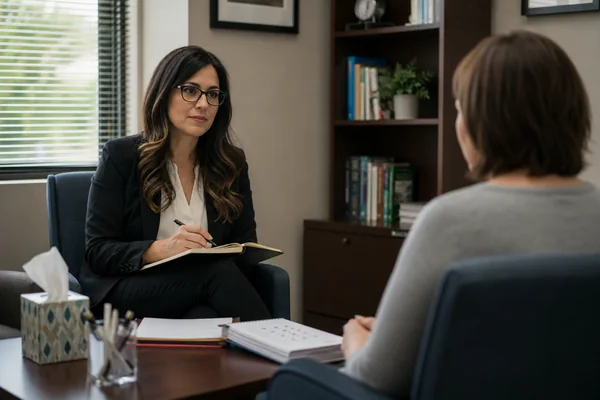
What Is a Psychological Evaluation in a Personal Injury Case?
It’s a formal assessment by a licensed psychologist that ties a specific incident to a specific mental health condition, then explains the effect in terms a court can use.
A personal injury psychological evaluation is a structured exam. A licensed psychologist reviews records, interviews the injured person, runs standardized tests, and writes an opinion on diagnosis, cause, severity, and prognosis. In civil cases it supports claims for emotional distress and other non-economic damages, and the psychologist can testify to the findings.
This is not therapy. A treating therapist helps a patient feel better. A forensic evaluator answers a legal question: did this event cause this harm, and how do we know? The two roles use different methods and carry different weight in court. That’s why attorneys who want their expert to hold up order forensic evaluations built for litigation from the start.
What These Evaluations Prove, and Why It Changes Settlement Value
They turn a client’s suffering into a documented diagnosis with a cause and a cost. That’s what insurers pay for.
About 6% of U.S. adults develop PTSD at some point in their lives, and the rate runs higher for women (8%) than men (4%), according to the National Center for PTSD. A car crash or a violent attack can set it off, along with major depression, generalized anxiety, or a driving phobia. An evaluation names the condition using DSM-5-TR criteria, ties it to the incident, and rates how far it limits work, sleep, relationships, and daily life.
Numbers move adjusters. “My client is traumatized” is an argument. “My client meets full criteria for PTSD, scored in the severe range on two validated measures, and needs ongoing treatment” is evidence. Documented conditions support higher offers, because the other side sees what a jury would see. The same logic runs through how psychological evaluations affect injury claims and other civil injury cases.

Treating Records vs an Independent Forensic Evaluation
Both help a claim, but they do different jobs, and treating them as interchangeable weakens your case.
| Treating provider’s records | Independent forensic evaluation | |
|---|---|---|
| Main purpose | Treatment and recovery | Answer a legal question |
| Who relies on them | The patient and clinician | The court, both attorneys, the jury |
| View in court | Seen as the patient’s advocate | Built to be neutral and testable |
| Validity and effort testing | Rarely included | Standard part of the battery |
| Causation opinion | Often informal or absent | Stated directly, with reasoning |
| Under a Daubert motion | Frequently challenged | Designed to hold up |
Use both. Treatment records show a real person sought help and kept at it. The independent evaluation supplies the causation opinion and the tested method that treatment notes usually lack.
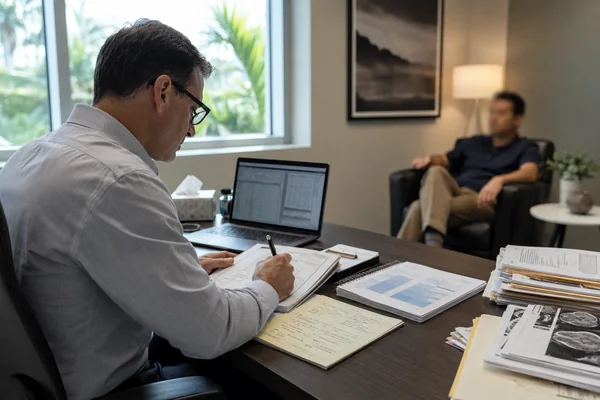
What Happens During a Forensic Psychological Evaluation?
A defensible evaluation isn’t one appointment. It’s a process, and each step closes a hole the defense would otherwise open.
At our practice, a forensic evaluation runs about 10 hours of clinical work. It includes a records review, a clinical interview, a mental status exam, collateral interviews with people who knew the client before and after the injury, standardized psychological testing, scoring and interpretation, and a written report. When a head injury is in play, neuropsychological testing gets added to separate emotional harm from cognitive damage.
Two steps do the real work in court. Collateral interviews show the change in the person is observed by others, not just self-reported. Validity and effort testing checks whether the client is exaggerating or holding back, which is the first thing a sharp defense expert looks for. Skip them and the report is easy to attack. Plan for about a three-week wait to schedule, because a rushed evaluation shows.
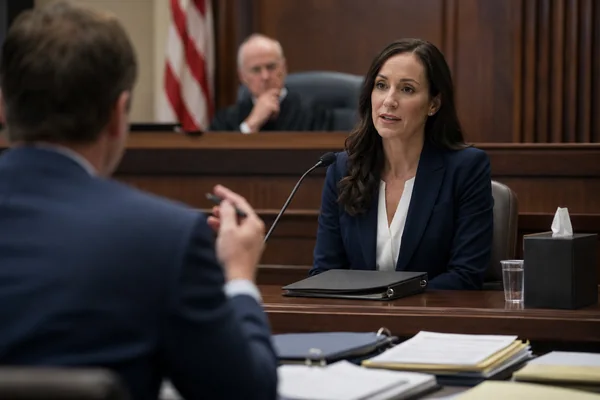
Will the Report Survive a Daubert Challenge in Florida?
This question decides whether your expert ever reaches the jury.
Since May 23, 2019, Florida judges have screened expert testimony under the Daubert standard, written into Florida Statute 90.702. The judge acts as a gatekeeper and asks three things: does the opinion rest on sufficient facts, does it use reliable methods, and did the expert apply those methods reliably.
Here’s what most articles won’t say. A report that only states a diagnosis is close to useless in a Florida courtroom now. A one-visit diagnosis with no testing, no validity checks, and no documented method fails all three Daubert prongs. Defense counsel files a motion to exclude, and it often works. The fix is method: standardized instruments, validity testing, collateral data, and a report that shows its work. That neutral, transparent approach is exactly what the American Psychological Association’s forensic guidelines describe.
How the Defense Attacks a Psychological Evaluation
Expect three moves, and prepare for each before you retain anyone.
First, the defense argues the problem was already there. Second, it questions the method, which is where a diagnosis-only report falls apart. Third, it orders its own exam. Florida Rule of Civil Procedure 1.360 lets the defense compel your client to sit for a mental examination by its own expert once mental condition is in controversy. A well-built first evaluation makes that second opinion harder to use against you, because your expert already answered the obvious challenges on the record.
The counter to all three is the same. Retain an evaluator who documents causation, runs validity testing, and can defend the method under cross. An expert who also does defense work knows how the other side will attack, because they’ve run those attacks themselves. That’s part of what a forensic psychologist does when they testify as an expert witness.
Handling Pre-Existing Conditions and Causation
A prior mental health history doesn’t sink a claim. Handled well, it can make one stronger.
Florida follows the eggshell plaintiff rule: a defendant takes the injured person as they find them. If a client had managed anxiety before the crash and now has disabling PTSD, the question isn’t whether they were perfectly healthy. It’s whether the incident made them worse. A skilled evaluator uses the pre-injury records to set a baseline, then shows the change. That causation opinion, built on records, survives cross far better than pretending the past isn’t there. Knowing how traumatic events reshape mental health helps you frame that shift for a jury.

When Should You Order the Evaluation in 2026?
Earlier than most attorneys do.
Florida’s 2023 tort law, HB 837, cut the deadline to sue for most negligence from four years to two. That shorter clock changes strategy. Order the evaluation before you send the demand, not after you file suit. A documented diagnosis in the demand package gives the adjuster a reason to pay more pre-suit, when most cases settle.
Waiting until discovery burns your strongest window and risks a report that looks reactive. Full schedules make it worse, so build in lead time. For cases headed to trial, an early evaluation also gives your expert a longer treatment record to point to, which reads as a real, lasting injury instead of a litigation prop.
How to Choose a Qualified Florida Forensic Psychologist
Look for three things: a real forensic practice, testing that goes past a diagnosis, and courtroom experience on both sides.
Ask how many times the psychologist has testified, and in which circuits. Ask whether validity testing is standard. Ask if defense teams have retained them, because that experience makes an expert harder to rattle and easier for a jury to trust. Our evaluators include a board-certified neuropsychologist and a psychologist who also holds a law degree, and they work statewide from offices in Jupiter and Fort Lauderdale. They’ve conducted evaluations in courthouses, jails, and detention facilities from Palm Beach and Broward through the Treasure Coast and Southwest Florida.
For claims that turn on emotional or psychological harm, our personal or emotional injury evaluations are built for this exact use.
What Decides These Cases
A personal injury psychological evaluation wins or loses on method, not on sympathy. The diagnosis is the easy part. The proof that the harm is real, caused by this incident, and able to survive a Daubert motion is what raises the number on the settlement check. Order it early, retain an evaluator who can defend it under cross, and treat the report as trial evidence from day one.
Frequently asked questions
What is a psychological evaluation for a personal injury case?
It’s a structured exam by a licensed psychologist that ties an incident, such as a crash or an assault, to a diagnosable condition like PTSD or depression. The psychologist reviews records, interviews the person, runs standardized tests, and writes an opinion on diagnosis, cause, severity, and prognosis that can be used in settlement or at trial.
How much does a forensic psychological evaluation cost in Florida?
Fees are usually billed hourly, and deposition and trial testimony are billed separately from the evaluation itself. Because scope varies with the records, the testing, and the case type, ask any expert for a written fee schedule before you retain them.
Can psychological evaluations prove emotional distress in court?
Yes. A documented diagnosis with validity testing and a causation opinion is far stronger than testimony about feelings alone. With about 6% of U.S. adults developing PTSD in their lifetime, conditions like PTSD, depression, and anxiety are well recognized by courts when they are properly assessed and tied to the incident.
What makes a psychological evaluation admissible under Florida’s Daubert standard?
Since May 2019, Florida applies the Daubert standard in Statute 90.702. The opinion must rest on sufficient facts, use reliable methods, and apply those methods reliably. In practice that means standardized testing, validity checks, collateral data, and a report that documents its method, not a single-visit diagnosis.
How long does a personal injury psychological evaluation take?
A thorough forensic evaluation runs about 10 hours of clinical work across records review, interviews, testing, scoring, and report writing, not a single session. Scheduling often runs about three weeks out, so order it early rather than close to a deadline.
Can the defense make my client take their own psychological exam?
Yes. Under Florida Rule of Civil Procedure 1.360, once mental condition is in controversy the defense can seek a compulsory mental examination by its own expert, with a court order or the agreement of all parties. A well-documented first evaluation makes that second opinion harder to use against your client.
When should I order a psychological evaluation for a personal injury claim?
Before you send the demand. A documented diagnosis pushes pre-suit offers higher, when most cases settle. It matters more now that HB 837 cut the deadline to sue for most negligence from four years to two, so the window to build the record is shorter.

Dr. Cathy Colet, Psy.D., is a Licensed Clinical and Forensic Psychologist and founder of FC PsychExperts in Jupiter, Florida. She provides expert witness testimony across criminal, family, and immigration law, with advanced training in competency evaluations, criminal responsibility, child custody assessments, and VAWA hardship waivers.