
Forensic work for a North Lauderdale case runs one of two ways: a court-appointed evaluator through Broward’s 17th Judicial Circuit, or a psychologist you retain directly. FC PsychExperts handles the private side from our Fort Lauderdale office on West Cypress Creek Road, about 15 minutes from North Lauderdale, with reports built for Florida’s Daubert standard and psychologists accepted as experts in the 17th Circuit and courts across the state.
Broward’s List of Court-Appointed Evaluators just got Shorter
As of July 1, 2026, a training requirement that started with House Bill 1091 is fully in force, and it changed who a Florida court can appoint. Any psychologist without current Department of Children and Families forensic-evaluator training has dropped off the court-appointed list.
HB 1091, enacted as Chapter 2025-143 and effective July 1, 2025, amended Chapter 916 of the Florida Statutes. A court-appointed expert who evaluates adult competency to proceed, sanity at the time of an offense, or involuntary placement must be a psychiatrist, a licensed psychologist, or a physician, and must complete state-approved training covering competency restoration, evidence-based practice, and least-restrictive alternatives. Existing evaluators had until July 1, 2026 to finish the annual update or come off the list. DCF maintains that list and sends each circuit, Broward included, a current version every year.
Here is why it matters for a North Lauderdale matter. If your case runs through the court-appointed route, the pool of eligible evaluators is smaller today than it was a year ago. If you retain privately, you choose the evaluator, and you can confirm their training and Florida license yourself before anyone is hired.
Court-appointed and Privately Retained are different tools
These two routes are built for different jobs. The right one depends on what your case needs, not on which is easier to start. Most pages written for this area blur them together. They are not the same.
The court-appointed route
A judge signs an order first. The 17th Circuit appoints an evaluator from its approved list, often by rotation, and the parties get little say in who is chosen. The work is a neutral report to the court, which carries a stronger presumption of impartiality. This route exists for court-ordered questions such as competency to proceed.
The privately retained route
An attorney or party engages the psychologist directly, with no court order needed to begin. You choose who does the work, you set the schedule against your court dates, and one psychologist can review an opposing expert’s report, help frame deposition questions, and testify. This route fits when you need control and continuity from a single person. FC PsychExperts works on the private side.
How the two routes compare on the things that decide a case
| Court-appointed | Privately retained | |
|---|---|---|
| Who starts it | A judge, by signed order | An attorney or party, on your timeline |
| Who picks the evaluator | The circuit, from its DCF-trained list | You do |
| Primary role | Neutral opinion to the court | Evaluate, rebut opposing experts, testify |
| Cost structure | Flat fee set by circuit administrative order, paid through the court process | Retainer plus hourly; testimony usually billed separately |
| Continuity | One report; role ends there | Same psychologist through deposition and trial |
| Best when | The court ordered a specific question and neutrality is the point | You need control, speed against a court date, and continuity |
How to Check a Broward Court-Appointed Evaluator
Confirm three things before you rely on anyone for court-appointed work, and the 2025 to 2026 rule change made the first two more than a formality.
- The DCF trained-evaluator list. The person must appear on the Department of Children and Families list of evaluators who hold current forensic training. After July 1, 2026, that list is shorter, so a name that was on it two years ago may not be now.
- The circuit registry. The 17th Circuit works from its own approved roster and appointment process. Ask whether the evaluator is on it and how often the circuit actually appoints them.
- The Florida license. Verify the license directly on the Florida Department of Health license portal or through the Florida Board of Psychology. It takes two minutes and it is expected.
For privately retained work, you run the same checks yourself, plus one more: ask how the evaluator’s method holds up to a Daubert challenge, because in Florida a judge decides what testimony reaches a jury based on method, not credentials alone.
What a Forensic Evaluation Costs, and Who pays
There are two different cost structures, and confusing them is where budgets go wrong. Court-appointed work is paid on a flat fee set by the 17th Circuit’s administrative order and runs through the court process, not through the parties directly. Privately retained work is a retainer plus hourly, with deposition and trial testimony usually billed as separate items. Health insurance rarely covers a purely forensic evaluation, because it is a legal service tied to a case, not treatment.
One thing the directory pages never mention: the court’s flat fee sits below the private market rate, and that gap shapes who takes court appointments and how much time each one gets. It is a real dynamic worth understanding before you assume the court-appointed route is simply the cheaper one. On the private side, we discuss the scope and the fee on the first call, and we tell you plainly when the objective answer is that we are not the right fit for the question you need answered.
The North Lauderdale routing test
Before you pick between a court-appointed evaluator and a private one for a Broward case, run these five questions. We use the same five to give an attorney a straight read on which route fits, even when the honest answer is the court system and not us.
- Who has to start it. A court-appointed evaluation needs a judge’s order first. Private retention an attorney arranges directly. With no order signed, the court pathway is not open yet, and a waiting case may call for private retention now.
- Neutrality or control. A court appointment carries a stronger presumption of neutrality and little say in who is named. A psychologist you retain is one you select, and the same person can rebut an opposing report and testify.
- Travel and facility logistics. In-person interviews and testing usually cannot be done fully remotely. If the person is held in a Broward jail or a detention facility, someone travels. Ask any expert how they run a facility-based evaluation.
- Language and cultural fit. Ask whether the evaluator works in Spanish or Haitian Creole, or coordinates certified interpreters, and whether the instruments suit the person examined. In North Lauderdale this decides whether the report holds up, not just whether the interview goes smoothly.
- Timeline against your court date. Ask for the time from complete records to final report in writing, then schedule early. A rushed records review or a compressed testing window is where cross-examination finds room to work.
In North Lauderdale, language and culture change the findings
North Lauderdale is one of the most diverse cities in Broward County, and a forensic report that ignores that is easier to challenge under Daubert. About 55% of residents are Black or African American and about 27% are Hispanic or Latino. The largest ancestries are Jamaican and Haitian, near 22% and 21%, and more than 22,000 residents are foreign born (U.S. Census Bureau). Haitian Creole, Spanish, and Caribbean English are all common in daily life.
This reaches the findings themselves, not only the intake. A test normed on one population can misread another. An interview run through an untrained interpreter can distort what a person actually said. First language, education, and acculturation all move scores on the instruments these cases rely on. Under Daubert, a Florida judge weighs whether the method was applied reliably to the specific person in the room, so an evaluation that skips language and cultural context invites a motion to exclude. We coordinate certified Spanish and Haitian Creole interpreters and choose instruments with the examinee’s background in mind.
The Evaluations We Handle for North Lauderdale Cases
FC PsychExperts conducts forensic evaluations across criminal, civil, family, and immigration matters, each built around the specific legal question a court has to answer.
Criminal
Competency to proceed, criminal responsibility and sanity, capacity to waive Miranda rights, violence risk assessment, psychosexual and sexually violent predator evaluations, and mitigation in capital and non-capital sentencing.
Civil and personal injury
Emotional and psychological injury evaluations, independent medical examinations, and forensic neuropsychological evaluations for traumatic brain injury and cognitive decline. See our personal and emotional injury work.
Family and probate
Parental capacity and child custody evaluations, social investigations, guardianship and capacity evaluations, competency for wills and powers of attorney, and civil commitment.
Immigration and specialized
Hardship evaluations for waivers, asylum, and VAWA petitions, plus psychological autopsies and adoption fitness assessments. See our immigration evaluations.
What the work looks like, and how long it takes
A forensic evaluation runs through set stages: a records review, a clinical interview and mental status exam, psychological testing with scoring and interpretation, collateral interviews, and a written report. Direct assessment commonly runs about 10 hours, usually split across sessions. Our practice is typically booked about three weeks out, so scheduling early around a court date protects the depth of each stage.
- ReferralDefine thelegal question
- RecordsRead before theinterview, not after
- Interview and testAbout 10 hours,interpreter if needed
- ReportEvidence-tied,then testify
Where cognition is at issue, neuropsychological instruments add detail a standard battery misses. Our psychologists have conducted evaluations at courthouses, jails, correctional facilities, juvenile detention, and ICE and federal detention facilities across Florida, so when a person is held in Broward we build the travel and any interpreter into the schedule from the first call. Where a matter and the court allow it, parts of the work can run through secure telehealth, though in-person testing usually cannot.
Meet the Team
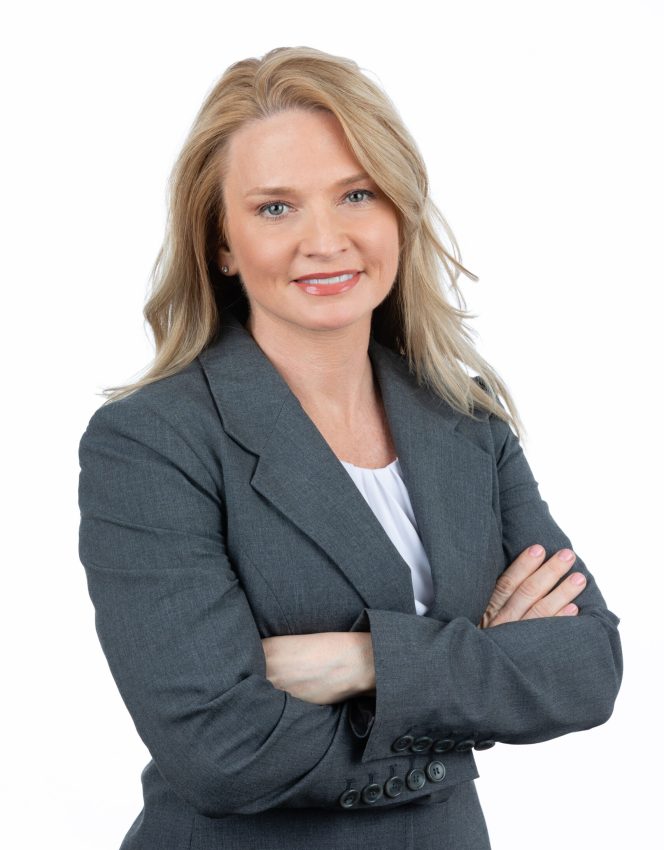
Dr. Cathy Colet
Forensic PsychologistDr. Cathy Colet is a Licensed Clinical and Forensic Psychologist and founder of Forensic and Clinical PsychExperts, LLC.
Read More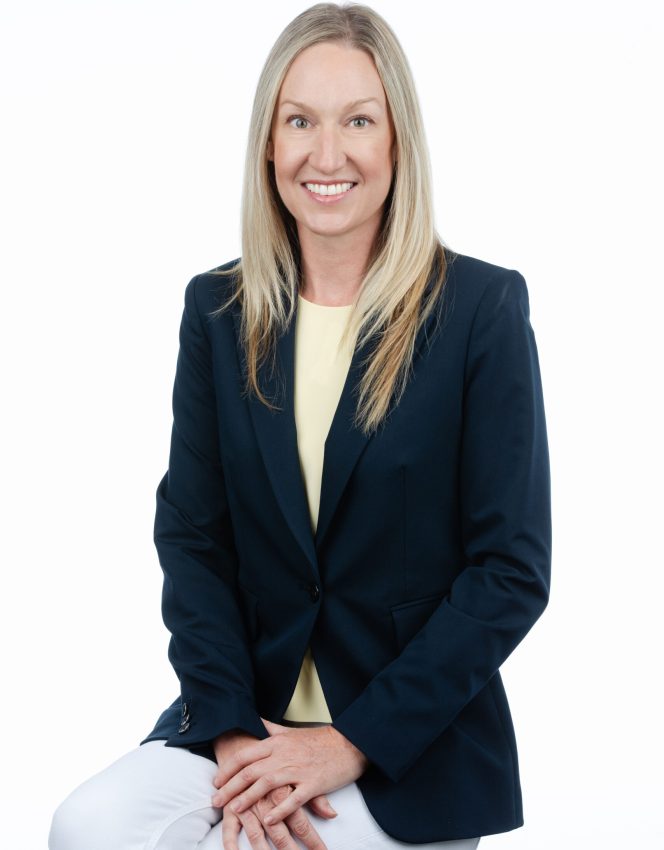
Dr. Lauren Miller
Clinical and Forensic NeuropsychologistDr. Miller has nearly 20 years of experience as a clinician, consultant, lecturer, and writer.
Read More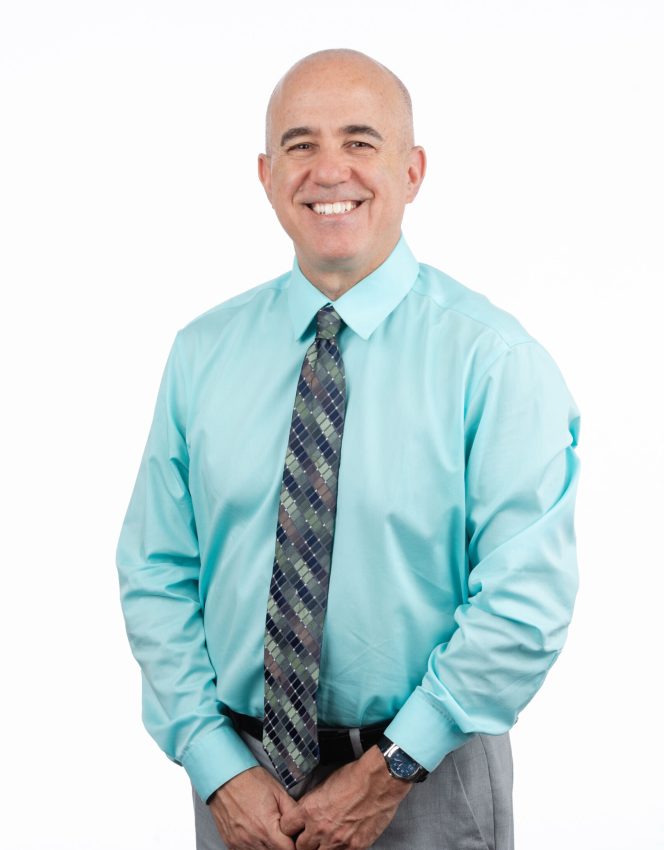
Dr. Matthew J. Jalazo
Forensic PsychologistDr. Matthew J. Jalazo is a licensed psychologist who has practiced forensic psychology on a full-time basis for the last fifteen years.
Read More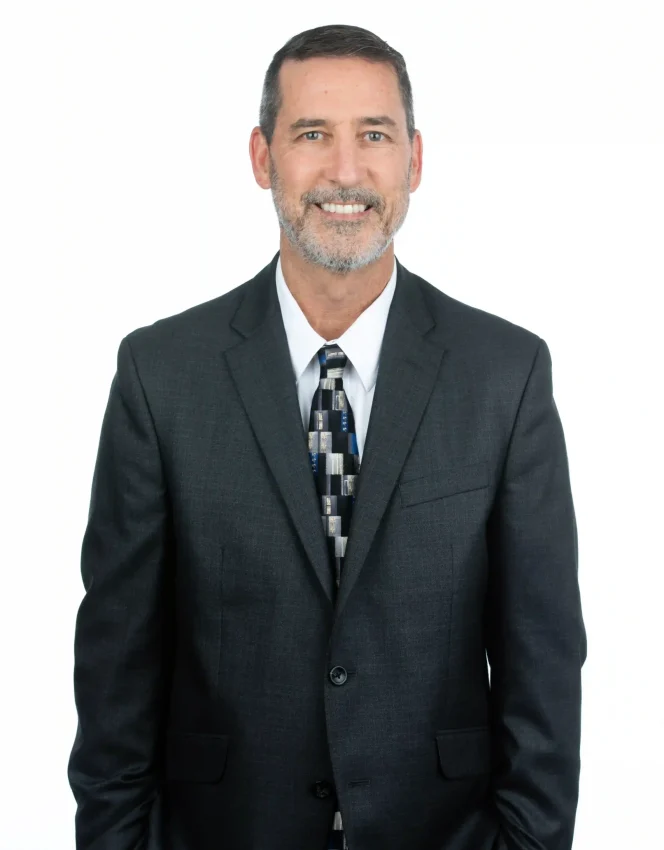
Dr. Christopher J. Beltran
Forensic PsychologistDr. Beltran is a Licensed Forensic Psychologist with over twenty-five years of experience in criminal and family law
Read MoreFrequently Asked Questions
Is there a forensic psychologist with an office in North Lauderdale?
No forensic psychology practice keeps an office in North Lauderdale (zip 33068). Directory listings for the area are general therapists, not court-qualified forensic evaluators. Forensic work for a North Lauderdale case is handled either through Broward’s 17th Judicial Circuit court-appointed system or by a private psychologist elsewhere in Broward who travels for the work. The deciding factor is method and testimony record, not the distance to the courthouse.
Court-appointed or privately retained for a Broward case?
A court-appointed evaluator comes through the 17th Circuit after a judge signs an order and carries a stronger presumption of neutrality, with little choice for the parties in who is named. A privately retained psychologist is one you select, coordinate with your court dates, and can also use to review an opposing report and testify. Run the five questions in the routing test above to decide.
Did Florida change the rules for court-appointed forensic evaluators?
Yes. House Bill 1091, enacted as Chapter 2025-143 and effective July 1, 2025, amended Chapter 916. A court-appointed expert in adult proceedings such as competency or sanity must be a psychiatrist, licensed psychologist, or physician with DCF-approved training. Existing evaluators had to complete the annual update training by July 1, 2026 to stay on the DCF list, so the eligible pool is now smaller than it was a year ago.
Can the same psychologist review the other side’s report and testify?
On the private side, yes. The same psychologist who conducts the evaluation can analyze an opposing expert’s report, identify weak points in its methodology, help frame deposition questions, and appear at trial. A court-appointed evaluator, by contrast, is there to give the court a neutral opinion, not to support one side.
Do you conduct evaluations at Broward jails or detention facilities?
Yes. In-person interviews and standardized testing usually cannot be done fully remotely. Our psychologists have conducted evaluations at courthouses, jails, correctional facilities, juvenile detention, and ICE and federal detention facilities across Florida. We build that travel and any interpreter into the schedule from the first call.
How do I verify a forensic evaluator’s Florida license and training?
Check the license directly on the Florida Department of Health MQA portal, and for court-appointed work confirm the person is on the DCF trained-evaluator list and the circuit registry. Reasonable due diligence also includes asking how many evaluations they have done in the 17th Circuit and how their method holds up to a Daubert challenge.
How long does a forensic psychological evaluation take?
Direct assessment commonly runs about 10 hours, often split across sessions, covering a clinical interview, mental status exam, testing, and collateral interviews. The full cycle of records review, testing, scoring, and report writing usually takes several weeks. Our practice is typically booked about three weeks out, so scheduling early around a court date matters.
What does a forensic evaluation cost and who pays?
There are two different cost structures. Court-appointed work is paid on a flat fee set by the 17th Circuit’s administrative order through the court process. Privately retained work is a retainer plus hourly, with deposition and trial testimony usually billed separately. Health insurance rarely covers a purely forensic evaluation because it is a legal service, not treatment.
Serving North Lauderdale and the 17th Circuit
FC PsychExperts serves North Lauderdale and the surrounding Broward cities, including Parkland and Plantation, along with the rest of the 17th Judicial Circuit. Our Fort Lauderdale office on West Cypress Creek Road is the closest, about 15 minutes from North Lauderdale, and the Broward County Courthouse at 201 SE 6th Street is roughly 13 miles away. We also keep an office in Jupiter to the north.
We travel for facility-based assessments and, where a case and the court allow it, coordinate parts of an evaluation through secure telehealth. The standards do not change with the address. The same validated methods we have used in courtrooms across Florida apply to a case out of North Lauderdale.