“Hiring Licensed Psychologists – Contact Us Today”
Forensic psychologists · For applicants and attorneys · 210 Jupiter Lakes Blvd

Immigration Evaluation In Jupiter, FL

A forensic psychological report for your immigration case, signed by a Florida-licensed clinical psychologist whose office is on Jupiter Lakes Boulevard, off Indiantown Road. We tell you which appointments in your case are in Jupiter and which are a drive, which licence has to sign your particular form, and how to settle the language question before session 1 instead of during it.

  • Florida licence PY9058
  • Court-appointed in 5 Florida judicial circuits
  • ★★★★★ Google reviews
  • Interpreter arranged before session 1

Quick answer: An immigration psychological evaluation is a forensic assessment by a licensed psychologist, written as a report your immigration attorney files with your case. FC PsychExperts has evaluated for Florida courts from its Jupiter office since 2008, covering extreme and exceptional hardship, political asylum, spousal abuse and VAWA, U and T visa, competency to participate in immigration proceedings, and Form N-648. Clinical interviews run 2 to 3 hours. Reports typically run 15 to 25 pages and are delivered in 2 to 3 weeks. Sessions are in person at 210 Jupiter Lakes Blvd, Unit 4-201, off Indiantown Road, or by secure video anywhere in Florida. Call (561) 870-0411.

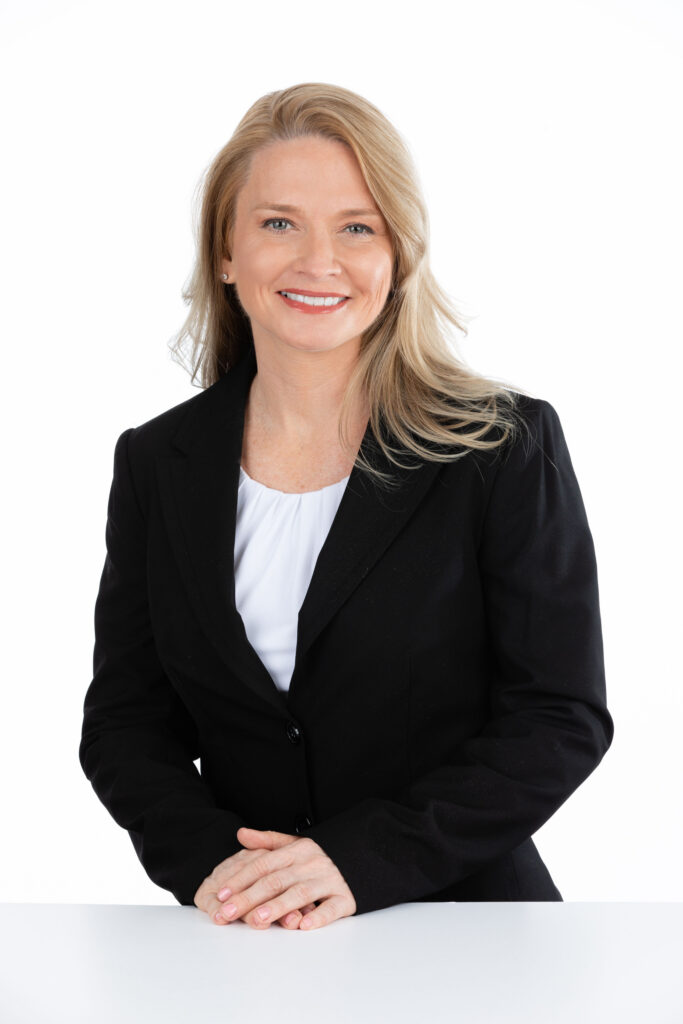
Licensed psychologist conducting an immigration psychological evaluation in a private office
Local detail nobody publishes

Four Appointments. One of Them Is in Jupiter.

An immigration case sends you to several buildings, and only the evaluation is on this end of the county. Plan the other 3 around the drive rather than finding out on the morning.

The evaluationIn Jupiter

FC PsychExperts

210 Jupiter Lakes Blvd, Unit 4-201, off Indiantown Road

Minutes from I-95 and the Turnpike. Sessions run 2 to 3 hours. Most of the interview work can also be done by secure video from home.

BiometricsAbout 25 mi

USCIS Application Support Center

South Congress Avenue, West Palm Beach

Fingerprints and photos only. Your biometrics notice and your interview notice carry 2 different addresses. Read both before you set off.

The interviewAbout 25 mi

USCIS West Palm Beach Field Office

9300 Belvedere Road, Royal Palm Beach, FL 33411

Not the City of West Palm Beach. Adjustment interviews, naturalization interviews and oath ceremonies. Covers 8 counties. Appointment only, no walk-ins.

The hearingAbout 100 mi

Miami Immigration Court

One Riverview Square, 333 S. Miami Avenue, Suite 700

No EOIR courtroom exists anywhere in Palm Beach County. Non-detained cases are heard in Miami. Detained cases go to Miami-Krome.

The clinical sessions happen without you leaving Jupiter. The hearing does not. If your case is in removal proceedings, budget the Miami round trip as its own day and give us the hearing date on the first call. Distances are approximate driving distance from Jupiter Lakes Boulevard. Building-by-building detail sits on our West Palm Beach immigration evaluation page.

The question that decides the report

The Language Question, Settled Before Session 1

20.4% of Jupiter residents over the age of 5 speak a language other than English at home, and 17.5% of the town is foreign born. Those are Census Bureau figures for Jupiter, 2020 to 2024. On an immigration evaluation, the language you interview in shapes the report before a single clinical question gets asked.

Offering English and Spanish does not cover this town. Part of Jupiter’s Guatemalan community traces to Jacaltenango, in the department of Huehuetenango. The first language in many of those households is Popti’, also written Jacaltec, one of Guatemala’s 23 recognised indigenous languages. Spanish is the second language, and for some older adults the third. Booking a Spanish interpreter for a Popti’ speaker books the wrong appointment, and nobody finds out until the session starts.

Three things follow from that, and all 3 are settled on the phone rather than in the room.

Book the interpreter first

Finding an interpreter for a Mayan language takes lead time that a Spanish booking does not. Tell the office the preferred language on the first call and the session gets scheduled around the interpreter. The other order costs a week.

A family member is not an interpreter

In a forensic evaluation the interpreter has to be independent. A spouse, a parent or an adult child in the room changes what the person says, and in a VAWA or asylum case that is the passage the adjudicator reads hardest. It also breaks the confidentiality the report rests on.

Symptom questions translate badly

Clinical language has no clean equivalent in every language. The gap between what a person says about sleep, fear or memory and the term that belongs in the report is where reports lose weight. Interviewing in the person’s strongest language produces an account an officer can check.

The same applies to Mam, Q’anjob’al, Kaqchikel, Haitian Creole and Portuguese. Say the language on the first call and it becomes a scheduling detail rather than a problem discovered in session 1.

The credential question

One Form Has a Signature Rule. The Rest Do Not.

For Form N-648, the disability waiver for the citizenship English and civics test, USCIS names 3 professions and stops: a medical doctor, a doctor of osteopathy, or a clinical psychologist licensed in a US state or territory. A licensed clinical social worker cannot certify it. A licensed mental health counselor cannot either.

The rule sits in the USCIS Policy Manual, Volume 12, Part E, Chapter 3. The exam has to be in person, or real-time telehealth where state law permits it. A Form N-648 certified by the wrong licence comes back. You pay twice and you lose the filing window.

For narrative reports, Florida practice is wider. Hardship, asylum, VAWA, U visa and T visa reports are written by psychologists, and also by LCSWs and LMHCs. USCIS publishes no licence restriction for those. Weight is a separate question from eligibility. A short letter from the clinician who is also treating you creates a dual-relationship problem under ordinary ethics codes, and adjudicators read those letters differently than they read an independent forensic report.

Dr. Colet holds one of the 3 licences USCIS names. Florida PY9058, checkable in 2 minutes on the state Medical Quality Assurance lookup. Which clinician on the wider team holds which licence is set out on the West Palm Beach immigration evaluation page.

Ask these 3 before you pay a deposit
  1. Which licence signs my form?For N-648 the answer has to be MD, DO or clinical psychologist. Any other answer means the form comes back.
    Credential
  2. What language will the interview be in?And who provides the interpreter. If the answer is “bring someone,” keep calling.
    Language
  3. Are you also my therapist?One clinician cannot hold both roles in the same case without giving the adjudicator a reason to discount the report.
    Role
Case types we evaluate

Case Types We Evaluate

Each case type asks a different legal question. The report has to answer that specific question, in the words the adjudicator uses.

I-601 / I-601A

Extreme and exceptional hardship waiverThe qualifying US citizen or resident relative is evaluated

Documents the psychological, medical, financial and family hardship the qualifying relative would face if the applicant were removed or kept abroad.

I-589

Political asylumThe applicant is evaluated

Assesses psychological symptoms consistent with the persecution described, and explains how trauma affects memory and testimony.

I-360

VAWA self-petition and spousal abuseSpouse, child or parent of an abusive US citizen or resident

Documents battery or extreme cruelty and its psychological course, in support of a petition filed without the abuser’s knowledge or participation.

I-918 / I-914

U visa and T visaVictims of qualifying crimes or trafficking

Assesses substantial physical or mental abuse from the crime, and the effects of trafficking, in the language the statute uses.

N-648

Disability waiver for the citizenship testMD, DO or clinical psychologist signature only

Certifies a medically determinable impairment and its effect on learning English or civics. Requires an in-person exam, or real-time telehealth where Florida law permits it. There is no USCIS filing fee for the form itself.

COMPETENCY

Competency to participate in proceedingsThe respondent is evaluated

Assesses whether a respondent understands the proceedings and can assist in their own case, for the immigration judge.

Dr. Colet also evaluates same-sex couples hardship waivers, and is available to conduct evaluations inside ICE detention centers and correctional facilities. If the person you are asking about is detained, say so on the first call, because the scheduling path is completely different.

Plan it backwards

Work Backward From Your Filing Date

Most people call after they have already spent 3 weeks deciding. Put the filing or hearing date in and the tool returns the last sensible date to start the evaluation.

The arithmetic behind it: session 1, then testing and collateral interviews across the following week, then 2 to 3 weeks to a signed report, then roughly a week for your attorney to read it and decide how to use it. That is about 5 weeks from the first session to a filing you are not rushing.

Shorter runs happen and the office takes them. The thing that makes a short run work is saying so on the first call, while there is still a schedule to move.

Estimate only, based on the published turnaround. Your dates are confirmed on the intake call.

Latest date to start the evaluation—
Call the office by—
Days from today to your date—
Practice figures, not industry averages

What the Jupiter Office Sees

Most pages in this category quote national studies. These are counts from this office’s own immigration caseload over the last 24 months, and they are more useful to an attorney planning a filing than any national average.

38%

Hardship is the largest case type

Extreme and exceptional hardship, I-601 and I-601A, is more than a third of the immigration work out of this office. Asylum is next at 22%.

19

Median days, first call to signed report

Half of cases finish faster than this. The published range of 2 to 3 weeks for the report itself holds, and the front end is where time gets lost.

41%

Conducted with an interpreter

Two in 5 evaluations run with interpreter support. Roughly 1 in 6 of those needs a language other than Spanish.

9 in 10

Hardship cases need a collateral interview

The qualifying relative is the person evaluated, and almost every hardship file also needs a family member interviewed. Budget that session from the start.

3 in 5

Delays are caused by late records

When a report runs past the estimate, records arriving late is the reason 3 times out of 5. Testing is almost never the bottleneck.

1 in 4

Arrive with a deadline under 3 weeks

A quarter of referrals come in already tight. Those get scheduled differently, so the deadline belongs in the first sentence of the referral.

The fifth figure is the one an attorney can act on today. The fastest thing anyone can do to protect a filing date is attach the records to the referral email the day it goes out.

The number on every other page

The 81.6% Figure, and Its Own Limits

Nearly every immigration evaluation page in Florida quotes the same pair of numbers: 81.6% of applicants who obtained a forensic evaluation received some form of relief, against a 42.4% national asylum grant rate.

The study is real and it is good work. Atkinson et al., Journal of Forensic and Legal Medicine, November 2021, run by Physicians for Human Rights with CUNY, covering 2,584 cases from 2008 to 2018. It is the largest US dataset on the question.

The authors state the limits themselves. Their sample was not nationally representative. It covered applicants who already had legal counsel, who already had access to a forensic evaluation, and who had been screened by PHR before the evaluation happened. Treating 81.6% as a personal probability reads past the paper’s own caveats, and no public dataset breaks Miami outcomes down by whether a psychological evaluation was filed. Anyone quoting a current percentage lift is guessing.

What the study does support is narrower and still worth something. A forensic report written to the legal standard turns a claim an officer has to take on faith into a file an officer can read. Dr. Colet is a member of Physicians for Human Rights, the organisation that ran the study.

What the headline leaves out
  1. 2,584 cases, 2008 to 2018The window closed before the current docket existed.
    Age
  2. Every applicant had a lawyerThe study population is represented applicants only, and the authors name counsel as the single biggest factor in outcomes.
    Sample
  3. Every case was pre-screenedPHR screened referrals before the evaluation. That selection shapes the result.
    Selection
What applicants worry about

What Applicants Ask Before They Book

Almost everyone who calls the Jupiter office about an immigration evaluation has one of these on their mind. They deserve straight answers.

The fear

“Will you report me?”

The fact

FC PsychExperts is a private psychology practice. The report is prepared for you and your attorney, and the 2 of you decide whether to file it. Nothing goes to USCIS or the court without your attorney’s direction.

The fear

“If I cry or forget dates, it hurts my case.”

The fact

Trauma affects memory, and inconsistent dates are one of the most common reasons a claim gets discounted. A forensic psychologist documents that mechanism in the report. Attorneys often request the evaluation for exactly this reason. You are not being asked to perform.

The fear

“Can my daughter translate for me?”

The fact

She should not, and that is for your benefit. A relative in the room changes the account, and an adjudicator who sees a family member listed as interpreter knows it. Tell the office your language and an independent interpreter is arranged.

How it works

From First Call to Signed Report

Your attorney’s filing date sets the pace. This is the standard sequence.

Day 1The call

Scope, deadline, language

You or your attorney give us the case type, the filing or hearing date and the language the interview needs to be in. We confirm the evaluation type, quote the fee and book the first session.

You, or your attorney

Wk 1Session 1

Clinical interview, 2 to 3 hours

History, the events at issue, current functioning. In person on Jupiter Lakes Boulevard or by secure video. Interpreter present from the start where one is needed.

You and the psychologist

Wk 1-2Testing

Testing and collateral

Standardized psychological measures, collateral interviews where the case calls for them, and review of the records your attorney sends.

You, family, records

Wk 2-3Report

Signed report, 15 to 25 pages

A signed forensic report addressing the legal standard for your case type. Your attorney reviews it with you and decides how to use it.

Psychologist to attorney

If your deadline is inside 3 weeks, say so on the first call rather than after the first session.

What your attorney receives

What Your Attorney Receives

Immigration judges and USCIS officers read hundreds of these. The ones that carry weight answer the legal question directly, show their methods, and stay inside what the data supports. The same clinicians write forensic evaluations for Florida criminal and family courts, so reports are written to a court standard every week of the year.

  • Written to the standard. Extreme hardship, substantial abuse, persecution or competency, in the language the adjudicator applies.
  • Methods listed. Every interview, standardized measure, collateral source and record reviewed appears in the report, including the interpreter’s role where one was used.
  • Findings tied to evidence. No advocacy language and no conclusion the data will not carry. That restraint is what makes the report usable.
  • Signed by a licensed psychologist who is available for testimony.
Report outline · illustration
  1. Referral questionThe legal issue the report addresses and who referred
    Attorney
  2. Sources of informationInterviews, testing, collateral contacts, records, interpreter
    Method
  3. Relevant historyBackground, family, medical, events at issue
    Interview
  4. Clinical findingsCurrent functioning, symptoms, test results
    Testing
  5. Analysis against the standardHow the findings relate to the legal question
    Opinion
  6. Conclusions and signatureLicensed psychologist, credentials, date
    Signed
Said up front

What We Will Not Do

Worth stating plainly, because it is the part of the engagement people find out about late.

The limits of the engagement

  • We will not write a report on someone we have not evaluated. No paper reviews sold as evaluations.
  • We will not state a conclusion the record does not support, including when an attorney asks for stronger language.
  • We will not run a forensic interview through a family member acting as interpreter.
  • We will not serve as your treating clinician and your forensic evaluator in the same case.
  • We cannot complete your I-693. That is a USCIS civil surgeon.
  • We cannot tell you whether you will win. A report is evidence. The outcome belongs to the adjudicator.

If you want therapy instead

Holding both roles is a dual relationship, and an adjudicator who spots it discounts the report. If what you want is therapy rather than an evaluation, that is a separate service with a separate clinician, and the office can route you there on the same call. Related Jupiter services include co-parenting therapy and court-ordered therapy.

An evaluation is evidence attached to an application for relief. It is not a status. The application carries the status. The report supports it.

Who evaluates

Who Evaluates

Dr. Cathy Colet, Licensed Clinical and Forensic Psychologist, Florida licence PY9058

Dr. Cathy Colet, Psy.D., Florida licence PY9058

Licensed Clinical & Forensic Psychologist · Founder · Member, Physicians for Human Rights

Dr. Colet founded the practice in 2008 and has been court-appointed across Florida’s 1st, 15th, 17th, 19th and 20th judicial circuits. About 75% of her practice is forensic. She is a member of the American Psychological Association, the Association of Family and Conciliation Courts, the Association for the Treatment of Sexual Abusers, the American Professional Society on the Abuse of Children, and Physicians for Human Rights. Her CV is published on her bio page.

Works with: asylum · hardship · VAWA · U and T visa · N-648 · competency · detention facility evaluations · testimony

Dr. Lauren Miller, Clinical and Forensic Neuropsychologist

Dr. Lauren Miller

Clinical & Forensic Neuropsychologist · nearly 20 years

Dr. Miller has nearly 20 years of experience as a clinician, consultant, lecturer and writer. Her neuropsychological testing covers the immigration cases where cognitive functioning, brain injury or competency is part of the question, including N-648 cases involving cognitive impairment.

Works with: neuropsychological evaluation · competency · cognitive findings in hardship cases

The full service line sits under immigration psychological evaluations.

For immigration attorneys

For Immigration Attorneys

Send what you have. We confirm scope, fee and timeline with you before the client is scheduled.

What to send

  • Case type and the specific relief sought
  • Filing or hearing date, in the first line
  • Who is to be evaluated: the applicant, the qualifying relative, or both
  • The client’s first language, not just whether they speak Spanish
  • In person on Jupiter Lakes Boulevard, or secure video
  • Whether the client is detained, and at which facility
  • Any prior evaluations, medical or mental health records, or declarations
  • Whether testimony may be needed

Where to send it

drcolet@fcpsychexperts.com
or call (561) 870-0411

Curriculum vitae, fee schedule and a sample report structure are available on request. FC PsychExperts evaluates for the 1st, 15th, 17th, 19th and 20th judicial circuits and holds memberships in the APA, AFCC, ATSA, APSAC and Physicians for Human Rights.

Offices in Jupiter (Palm Beach County) and Fort Lauderdale (Broward County). Secure video statewide. Evaluations inside ICE detention centers and correctional facilities, arranged through counsel.

In their words

What Clients and Attorneys Say

“I have worked with Dr. Colet for several years. I have found her to always be highly professional and an excellent forensic psychologist. I do not hesitate to refer clients to her.”

Maria CammarataAttorney at Law

“The forensic evaluation provided by this team was incredibly thorough and meticulously detailed. Their expertise and careful approach made a significant impact on our legal case, providing us with the clarity and support we needed.”

Jennifer E.Client

“The staff took the time to explain each step, and the detailed report offered valuable insights. The entire experience was both professional and supportive.”

Christopher S.Client
Where we are

Where We Are

210 Jupiter Lakes Blvd, Unit 4-201, is off Indiantown Road, minutes from I-95 and the Turnpike. It is the practice’s main office, not a satellite, and it has been since 2008.

  • Jupiter and north county: Jupiter, Abacoa, Jupiter Farms, Tequesta, Juno Beach, Palm Beach Gardens, North Palm Beach, Hobe Sound
  • Treasure Coast: Stuart, Port St. Lucie, Fort Pierce, by video or in person
  • Broward: Fort Lauderdale office, 1451 W. Cypress Creek Road, Suite 300
  • Statewide by secure video: Miami-Dade, Orlando, Tampa.
  • Detention: evaluations inside ICE detention centers and correctional facilities, arranged through your attorney

Cases elsewhere in the county are covered on our Palm Beach County immigration evaluation page.

Questions applicants and attorneys ask

Immigration Evaluation FAQ

What is an immigration psychological evaluation?

A forensic assessment by a licensed psychologist that documents psychological history, current functioning and, depending on the case, the effects of trauma or the hardship a qualifying relative would face. It is an assessment written for a legal filing. No therapy is provided.

Is the evaluation actually in Jupiter?

Yes. Sessions are at 210 Jupiter Lakes Blvd, Unit 4-201, off Indiantown Road, minutes from I-95 and the Turnpike. It is the practice’s main office. Secure video is available for most case types if you would rather not travel.

How long does it take?

Clinical interviews run 2 to 3 hours. Reports typically run 15 to 25 pages and are delivered in 2 to 3 weeks, depending on testing and how quickly records arrive. Allow about 5 weeks from the first session to a filing you are not rushing.

How much does it cost?

Fees depend on case type and scope and are quoted on the first call. Immigration evaluations are private pay. Health insurance does not cover a legal work product.

What if my first language is not English or Spanish?

Say so on the first call. Part of Jupiter’s Guatemalan community speaks Popti’, also written Jacaltec, as a first language, and Mam, Q’anjob’al and Kaqchikel appear across Palm Beach County. Interpreter support is arranged before the session is booked, because finding an interpreter for a Mayan language takes lead time.

Can a family member interpret for me?

No. A forensic evaluation needs an independent interpreter. A relative in the room changes the account and compromises the confidentiality the report depends on, and an adjudicator who sees a family member listed as interpreter weighs the report accordingly.

Who can sign my Form N-648?

USCIS accepts Form N-648 only from a medical doctor, a doctor of osteopathy, or a clinical psychologist licensed in a US state or territory. An LCSW or LMHC signature is not accepted. Dr. Colet is a Florida-licensed clinical psychologist, PY9058. There is no USCIS filing fee for the form itself.

Is my hearing in Jupiter?

No. There is no immigration court in Palm Beach County at all. Non-detained cases are heard at the Miami Immigration Court, One Riverview Square, 333 S. Miami Avenue, Suite 700, roughly 100 miles south of Jupiter. Detained cases go to Miami-Krome.

Where is the USCIS interview for a Jupiter address?

At the USCIS West Palm Beach Field Office, 9300 Belvedere Road in Royal Palm Beach, not the City of West Palm Beach. Biometrics are at a separate Application Support Center on South Congress Avenue. The field office covers 8 counties: Palm Beach, Glades, Hendry, Highlands, Indian River, Martin, Okeechobee and St. Lucie.

Can the evaluation be done by video?

Yes for most case types. Some testing is more accurate in person, and your clinician tells you at intake if any part of yours needs to be. Form N-648 requires an in-person exam or real-time telehealth where Florida law permits it.

Can you evaluate someone in ICE detention?

Yes. Dr. Colet conducts evaluations inside ICE detention centers and correctional facilities. Access is arranged through the attorney of record and the facility, so start that call early.

Will the evaluation be used against me?

The report is prepared for you and your attorney. You decide together whether to file it. Nothing is submitted without your attorney’s direction.

Can my attorney refer me directly?

Yes. Attorneys call (561) 870-0411 or email drcolet@fcpsychexperts.com with the case type, the deadline, the client’s first language and any records. Scope, fee and timeline are confirmed with the attorney before scheduling.

Does the psychologist testify?

Yes, where the case requires it. Availability is confirmed with the attorney when the evaluation is scheduled.

Does an evaluation give me status?

No. It is evidence attached to an application for relief such as asylum, withholding, cancellation or VAWA. The application carries the status. The report supports it.

Take the first step

Request an Evaluation

Applicants and attorneys start the same way. Tell us the case type, the deadline and the language. We confirm the evaluation type, quote the fee and book the first session.

Mon to Fri, 7:30 AM to 4:30 PM · 210 Jupiter Lakes Blvd, Unit 4-201, Jupiter, FL 33458

Start with a call or the contact form

Tell us the case type, the filing or hearing date and the language the interview needs to be in. We confirm the evaluation type, quote the fee and book the first session. Attorneys and applicants use the same route.

  • Attorneys: email the case type, the deadline and any records to drcolet@fcpsychexperts.com
  • Detained cases: say so on the first call. The scheduling path is different.
  • Name the first language on the first call and the interpreter is booked before the session.

Confidential. Our Jupiter office replies within 1 business day. If you are in crisis or thinking about harming yourself, call or text 988 or 911.