“Hiring Licensed Psychologists – Contact Us Today”

Forensic Psychologist In Coral Gables, FL

The Miami-Dade Clock, And What It Takes To Hit It

Two numbers govern criminal referrals here. The Eleventh Judicial Circuit’s Mental Health Administrator’s Office states that an expedited evaluation “should be completed within 48 hours,” and a full evaluation “within 7 to 10 days from the court order.”

Hitting the short end of that depends almost entirely on one thing: how fast we get records. Testing takes a day. Scoring and writing take two. Chasing a jail medical file takes a week if nobody has asked for it yet.

So the first call is short and specific. Give us the hearing date, the referral question, and a list of what you already hold. We will tell you which evaluation answers the question and whether the window is reachable before you commit to anything.

Family matters run on a different clock entirely. Under Fla. Fam. L. R. P. 12.363(b), the report is due no later than 30 days before trial or 75 days from the appointment order, whichever comes first. That is a longer runway and it gets used, because a social investigation involves collateral interviews that a competency evaluation does not.

Criminal Law Cases

  • Competence to Stand Trial
  • Criminal Responsibility (insanity defense)
  • Competency to Waive Miranda Rights
  • Mitigation (downward departure)
  • Violence Risk Assessments
  • Psychosexual Evaluations / Sexual Risk Assessments
  • Sexually Violent Predators
  • Capital Sentencing
  • Involuntary Commitment and Treatment
  • Expert Witness Testimony
  • Consultation

Juvenile Law Cases

  • Competence to Stand Trial
  • Assessment of Violence and Sexual Risk
  • Sexual Behavior Assessment
  • Expert Witness Testimony
  • Consultation

Civil Law Cases

  • Personal / Emotional Injury
  • Psychological Factors in Physical Trauma
  • Independent Medical Examinations (IME)
  • Immigration
  • Guardianship
  • Civil Commitment
  • Pre/Post Adoption Evaluation
  • Mental Competency Examinations
  • Psychological Autopsy – Assessment of Suicide
  • Expert Witness Testimony
  • Consultation

Family Law Cases

Latest News and Research

Stay updated with the latest insights and research in forensic psychology. Explore articles on our services, recent case studies, and advancements in the field. We value your feedback, so feel free to leave a comment and join the discussion.

How Miami-Dade Appoints A Forensic Psychologist

Through the court, not a county agency. The Eleventh Circuit runs its own Mental Health Administrator’s Office, in Room 7300 of the Richard E. Gerstein Justice Building, reachable at (305) 548-5595. It coordinates psychiatric and psychological evaluations in response to court orders, working from the list of “disinterested qualified experts” that Florida law requires every one of the state’s twenty judicial circuits to maintain.

One local detail has no equivalent anywhere else in South Florida. Miami-Dade evaluations are conducted by psychiatrists and psychologists “who are either in private practice or who practice at Jackson Memorial Hospital under a special working agreement with the Court.” A share of the county’s court-appointed forensic work runs through an academic medical centre.

That structure is worth knowing, because the three biggest counties in South Florida answer the same question three different ways.

 Miami-Dade, 11th CircuitBroward, 17th CircuitPalm Beach, 15th Circuit
Administered byThe courtThe courtCounty government
ModelCourt-maintained expert listContracted registry under an administrative orderCounty-operated office with in-house evaluators
Institutional partnerJackson Memorial HospitalNoneNone
Published turnaround48 hours expedited, 7 to 10 days fullNot publishedNot published

An attorney who practises in one of these usually assumes the other two work the same way. They do not, and the difference shows up in scheduling.

Retaining your own evaluator changes three things regardless of county: you set the referral question, you choose who answers it, and you hear the findings before anyone else does.

Bilingual Evaluations, And What A Defensible One Looks Like

60.7% of Coral Gables residents and 75.3% of Miami-Dade County residents speak a language other than English at home. More than half the county is foreign-born. On a Miami-Dade case, language is a case-planning question rather than an afterthought.

Here is the part most people miss. The Eleventh Circuit’s Department of Translation and Interpretation supplies certified interpreters for proceedings, with Spanish and Haitian Creole on three business days’ notice. A court-ordered psychological examination is not a proceeding. The interpreter the court provides for the hearing does not attend the evaluation, so the evaluator has to solve it, and the report has to show how.

Four things separate a bilingual evaluation that holds up from one that gets taken apart.

The interpreter is certified and named. A family member interpreting a competency examination creates a confidentiality problem and an incentive problem at once. The report should name the interpreter and their certification.

The instruments have norms in the examinee’s language. A standardised test delivered through improvised oral translation is no longer the standardised test. A defensible report says which instruments carried Spanish or Creole norms and which did not, then states the limitation rather than burying it.

Language difficulty and cognitive impairment are separated. This is the failure mode that does real damage. Limited English proficiency and real cognitive deficit look alike on an English-language instrument, and an evaluation that does not pull them apart can report an impairment that is a language artefact.

The interview method is stated. Conducting the clinical interview directly in the examinee’s language and conducting it through a third party are different procedures producing different data. The report should say which happened.

APA Specialty Guideline 10.02 requires forensic practitioners to use assessment methods appropriate to an examinee’s language preference and competence. We settle language needs at engagement, before scheduling, so nothing gets improvised on the day.

Which Courthouse Hears Your Coral Gables Case

It depends on the case type, and for most forensic referrals it is not the courthouse on Ponce de Leon.

Matter Courthouse Address
Felony, including competency and insanity Richard E. Gerstein Justice Building 1351 NW 12th Street, Miami
Family, time-sharing, parental capacity Lawson E. Thomas Courthouse Center 175 NW 1st Avenue, Miami
Juvenile Miami-Dade Children’s Courthouse 155 NW 3rd Street, Miami
Baker Act, Marchman Act, guardianship Osvaldo N. Soto Miami-Dade Justice Center 20 NW 1st Avenue, Suite 5.228, Miami
County civil, small claims, traffic, misdemeanour Coral Gables Branch Court 3100 Ponce de Leon Boulevard

Two things trip people up. Criminal competency runs through the Criminal Division at Gerstein, while civil mental health, Baker Act and guardianship incapacity sit with the Probate Division at the Soto Justice Center. Different buildings, different judges, different bodies of law.

And the historic courthouse at 73 West Flagler Street closed on 9 July 2021. Circuit civil, probate and mental health operations moved into the Soto Justice Center. Any directory still sending you to Flagler Street was written before 2025.

For scale: the Eleventh Circuit runs 123 judges across a population above two million and roughly 800,000 filings a year, the largest trial court in Florida.

What We Evaluate

Criminal


Competency to proceed for adults and juveniles, competency to waive Miranda rights, criminal responsibility and the insanity defence, violence risk, sexual behaviour risk, and mitigation including downward departure and diminished capacity.

Competency reports address all six factors in Fla. Stat. 916.12(3) explicitly: capacity to appreciate the charges, to appreciate the range and nature of possible penalties, to understand the adversarial nature of the process, to disclose pertinent facts to counsel, to manifest appropriate courtroom behaviour, and to testify relevantly. A report that covers diagnosis and skips the factors is non-compliant on its face.

On insanity, know the burden before commissioning the work. Fla. Stat. 775.027 presumes sanity and puts the burden on the defendant at clear and convincing evidence. That standard decides what the report has to contain: contemporaneous records, collateral accounts, and a reconstruction of mental state at the time of the offence rather than a current diagnosis run backwards.

Family and time-sharing


Florida replaced custody and visitation with parenting plan and time-sharing in 2008. The instrument a Miami-Dade judge orders is a social investigation under Fla. Stat. 61.20, which names a psychologist licensed under chapter 490 among the professionals qualified to conduct one.

Worth knowing: Fla. Fam. L. R. P. 12.363(e) states that no presumption favours a court-appointed expert’s findings. A retained evaluation meets a court-appointed one on level ground in a Florida family matter.

We also conduct parental capacity evaluations and attachment and bonding assessments. In family work the psychologist’s duty runs to the welfare of the children, whichever party pays.

Juvenile


Juvenile competency, violence risk and sexual behaviour risk, using instruments normed on adolescents rather than adult measures applied to minors. Since 1 July 2025 Florida requires a separate juvenile forensic competency training track for court-appointed juvenile work. We have provided child and adolescent evaluations for the Department of Juvenile Justice, ChildNet, Communities Connected for Kids, and on direct court referral.

Civil and personal injury


Personal and emotional injury evaluations for plaintiff and defence, independent examinations, guardianship and capacity assessments, and psychological autopsies. Dr. Colet’s background includes Level 1 Trauma Center work across traumatic brain injury, motor vehicle accidents, medical negligence and catastrophic injury, including assessment of malingering and symptom exaggeration.

A diagnosis alone does not carry a claim. The report has to connect the event to the impairment, address pre-existing conditions directly, and give a prognosis a treating physician can work with. See: how to prove a traumatic brain injury.

Immigration


Immigration psychological evaluations covering extreme and exceptional hardship, political asylum, spousal abuse and VAWA petitions, competency to participate in immigration proceedings, and hardship waivers for same-sex couples. Available at ICE detention centres and correctional facilities. Our Miami immigration evaluation work covers Miami-Dade specifically.

Meet the Team

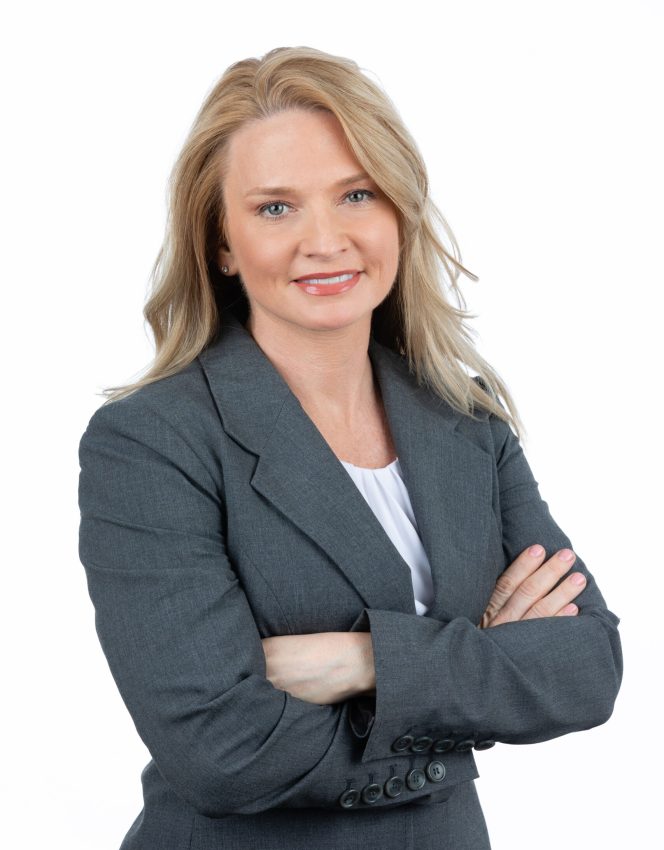
cathy colet
Dr. Cathy Colet
Forensic Psychologist

Dr. Cathy Colet is a Licensed Clinical and Forensic Psychologist and founder of Forensic and Clinical PsychExperts, LLC.

Read More
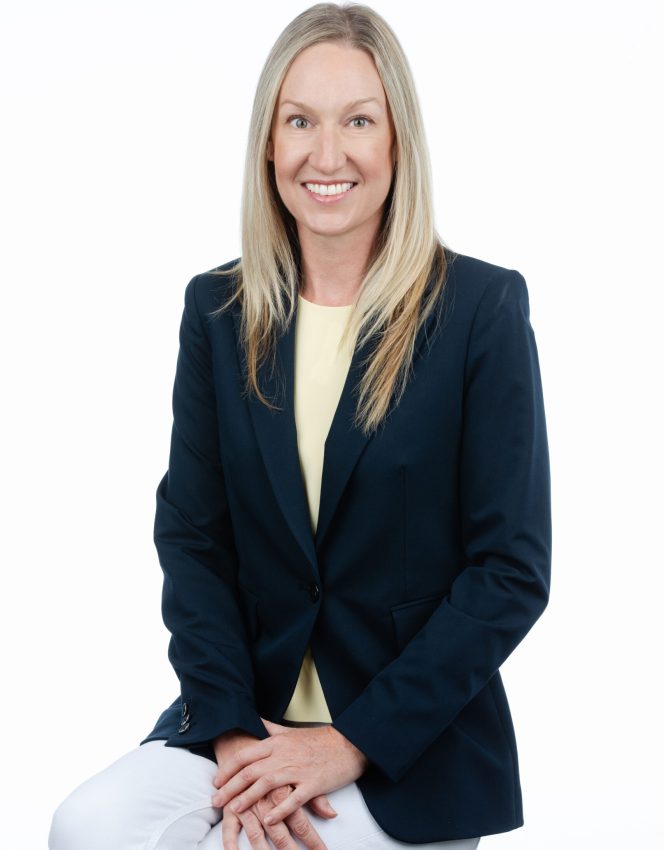
Dr. Lauren Miller
Dr. Lauren Miller
Clinical and Forensic Neuropsychologist

Dr. Miller has nearly 20 years of experience as a clinician, consultant, lecturer, and writer.

Read More
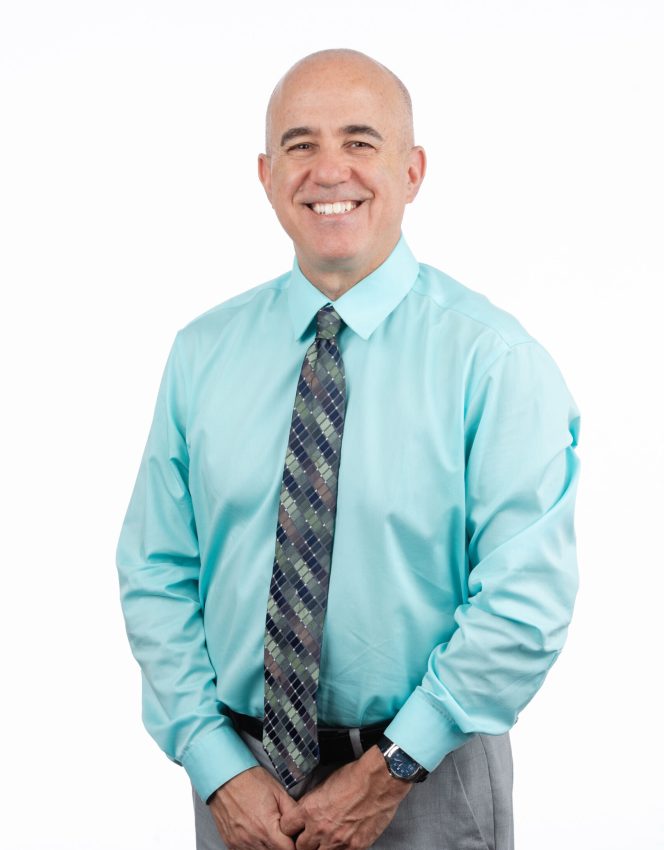
Dr. Matthew J. Jalazo
Forensic Psychologist

Dr. Matthew J. Jalazo is a licensed psychologist who has practiced forensic psychology on a full-time basis for the last fifteen years.

Read More
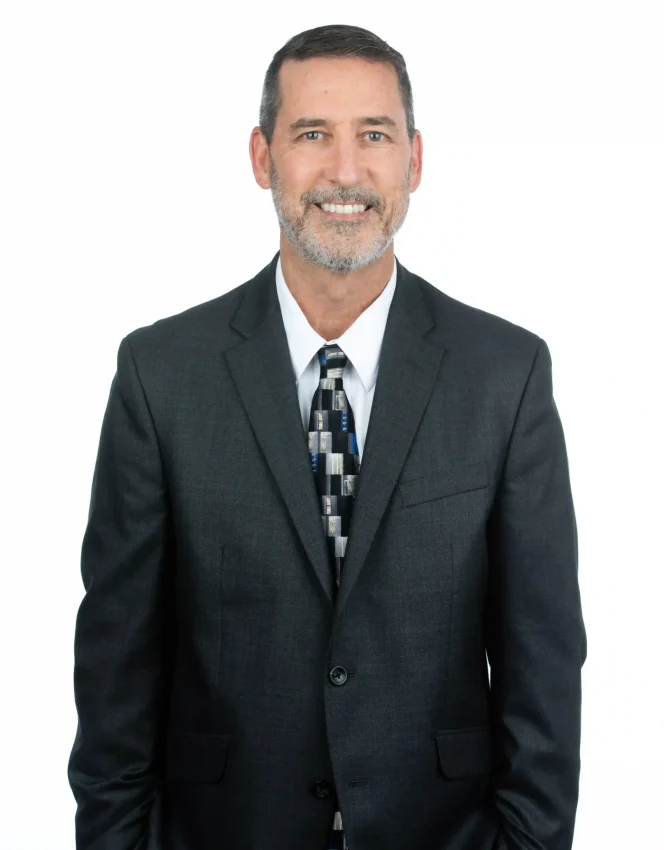
Dr. Christopher Beltran who is a Licensed Clinical and Forensic Psychologist
Dr. Christopher J. Beltran
Forensic Psychologist

Dr. Beltran is a Licensed Forensic Psychologist with over twenty-five years of experience in criminal and family law

Read More

Frequently Asked Questions

How long does a competency evaluation take in Miami-Dade County?

The Eleventh Circuit’s Mental Health Administrator’s Office publishes its expectation: an expedited evaluation should be completed within 48 hours of the court order, and a full evaluation within 7 to 10 days. Records collection is the variable that moves most, so the hearing date and the records already in hand determine whether a given window is reachable. Family matters run on a separate clock, with Fla. Fam. L. R. P. 12.363(b) requiring the report 30 days before trial or 75 days from the appointment order.

How does a Miami-Dade court appoint a forensic psychologist?

Through the Eleventh Judicial Circuit’s Mental Health Administrator’s Office, which handles incompetency-to-proceed and not-guilty-by-reason-of-insanity cases from Room 7300 of the Richard E. Gerstein Justice Building, reachable at (305) 548-5595. The office coordinates evaluations in response to court orders, working from the list of disinterested qualified experts that Florida law requires all twenty judicial circuits to maintain. Miami-Dade evaluations are conducted by psychiatrists and psychologists in private practice or practising at Jackson Memorial Hospital under a special working agreement with the Court.

Which courthouse handles Coral Gables matters?

It depends on the case type. Felony matters, including competency and insanity, are heard at the Richard E. Gerstein Justice Building, 1351 NW 12th Street. Family matters are at the Lawson E. Thomas Courthouse Center, 175 NW 1st Avenue. Juvenile matters are at the Miami-Dade Children’s Courthouse, 155 NW 3rd Street. Baker Act, Marchman Act and guardianship incapacity matters are at the Osvaldo N. Soto Miami-Dade Justice Center, 20 NW 1st Avenue, Suite 5.228. The Coral Gables Branch Court at 3100 Ponce de Leon Boulevard handles county civil, small claims, traffic and county criminal matters. The historic courthouse at 73 West Flagler Street closed on 9 July 2021.

Who provides the interpreter for a Spanish-language forensic evaluation?

Not the court. The Eleventh Circuit’s Department of Translation and Interpretation provides certified interpreters for proceedings, including criminal and mental health matters, on three business days’ notice for Spanish and Haitian Creole. A court-ordered psychological examination is not a proceeding, so the evaluator arranges interpretation and the report should document it. Ask any evaluator who will interpret, whether that person is certified, and which instruments carry norms in the examinee’s language. APA Specialty Guideline 10.02 requires assessment methods appropriate to the examinee’s language preference and competence.

Does a court-appointed evaluator’s report carry more weight than a retained expert’s?

In Florida family matters, no. Fla. Fam. L. R. P. 12.363(e) states that no presumption favours a court-appointed expert’s findings. In criminal competency matters the court weighs each report on its merits, Fla. Stat. 916.115 permits the appointment of no more than three experts, and Fla. Stat. 916.12(2) requires at least two before the court commits a defendant. Method quality and documentation decide these disputes more often than appointment status does.

Can you evaluate at the jail or the courthouse rather than an office?

Yes, and most forensic evaluations happen that way. We evaluate at the Gerstein building, at Miami-Dade correctional facilities, at treatment facilities, at ICE detention centres, and at a client’s residence where mobility or a court order requires it.

What changed in Florida forensic mental health in 2025 and 2026?

Three things worth knowing. Chapter 2025-143, effective 1 July 2025, made initial and annual Department of Children and Families forensic evaluator training mandatory for court-appointed experts and added a separate juvenile training requirement. Evaluators active as of 1 July 2024 had until 1 July 2026 to complete annual training to stay on the department’s list. And the Tristin Murphy Act, effective 1 October 2025, requires a mental health evaluation as a probation condition for defendants who were adjudicated incompetent and later regained competency, which creates evaluation demand downstream of those dispositions.

Will the report hold up under Florida’s admissibility standard?

Florida has applied the Daubert standard since 23 May 2019, when the Florida Supreme Court adopted it in In re: Amendments to the Florida Evidence Code, 278 So. 3d 551. Under Fla. Stat. 90.702, testimony must be based on sufficient facts or data, be the product of reliable principles and methods, and reflect reliable application of those methods to the facts. A defensible report names each instrument administered, states the normative basis for interpretation, documents every collateral source, and traces each conclusion to its factual basis. In competency matters it addresses each factor in Fla. Stat. 916.12(3) explicitly. Admissibility remains the court’s decision.

Your Partner In Legal Excellence

When psychological expertise determines legal success, FC PsychExperts provides the comprehensive evaluation and authoritative testimony your case demands. Our commitment to scientific rigor, professional excellence, and impartial analysis ensures you receive the expert forensic psychology services needed for optimal legal outcomes.

Contact our experienced team today to discuss how specialized psychological assessment can strengthen your legal strategy. Trust FC PsychExperts to provide the expert analysis that supports successful representation for clients .